THE ADVENTURE COLLECTIVE® · Independent discovery and booking for outdoor travel

A compact two-day trek from Sapa along hidden trails to Red Dao and Black Hmong villages. Expect terraced fields, steep granite slopes, close cultural encounters, and variable mountain weather.
A compact two-day trek from Sapa along hidden trails to Red Dao and Black Hmong villages. Expect terraced fields, steep granite slopes, close cultural encounters, and variable mountain weather.
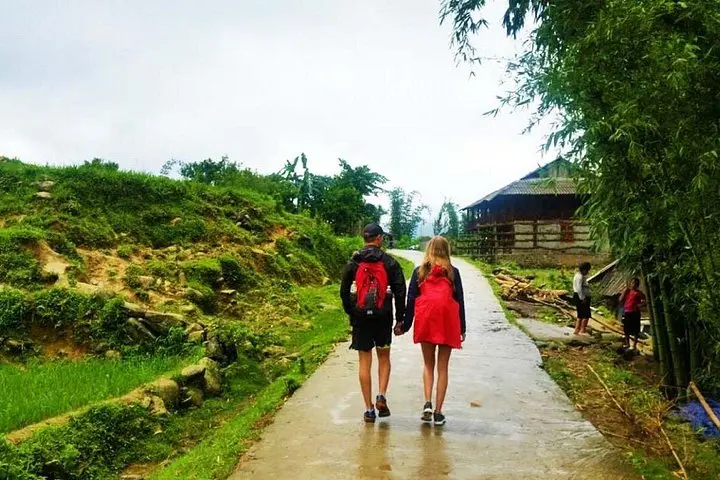
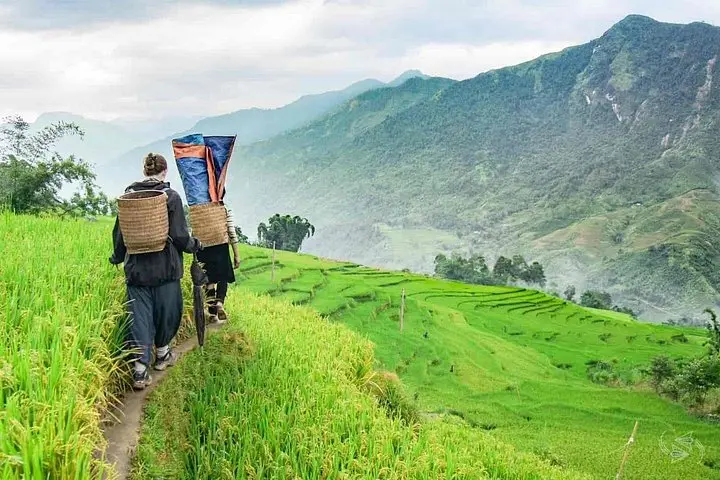
Dawn breaks over terraces and low clouds as a driver peels out of Sapa and the road falls away into a highland corridor. By mid-morning walkers leave the lane and push onto a narrow path that climbs through bamboo and scrub, then gives way to carved rice benches where early light slants across the fields.
Verified experiences and guided adventures in the surrounding area.
Operated by Asia Travel Links · Sapa, Lào Cai
Dawn breaks over terraces and low clouds as a driver peels out of Sapa and the road falls away into a highland corridor. By mid-morning walkers leave the lane and push onto a narrow path that climbs through bamboo and scrub, then gives way to carved rice benches where early light slants across the fields.
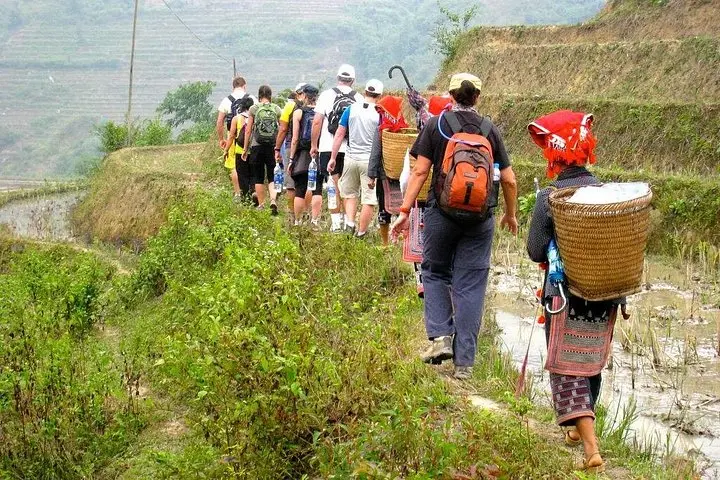
The two-day route threads historic highland lifeways: Red Dao and Black Hmong communities have farmed these slopes for centuries, shaping the stepped landscape and a culture of embroidery, herbal medicine and distinctive red turbans. Geologically the Hoang Lien range is young and rugged—granite outcrops, steep gullies and soils that drain quickly after tropical storms—so the trail alternates firm stone, muddy ruts and carved steps.
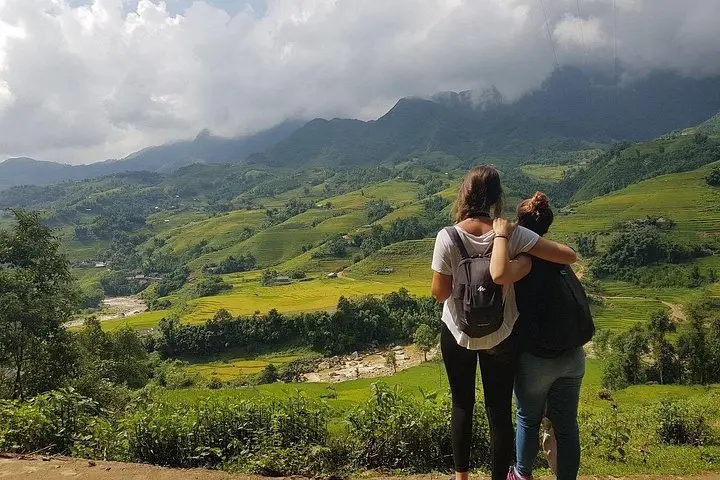
Trek distances are manageable for fit walkers (expect roughly 8–12 km each day with intermittent climbs and a few 300–600 m elevation changes) and the rhythm alternates steady ascents, open viewpoints, and shaded village lanes where households tend gardens and loom work.
Practical notes: wear sturdy boots with good grip, expect sudden rain—pack a lightweight waterproof and dry bags for belongings. Guides arrange homestay or tent lodging, local meals focus on rice, greens and simple protein; bring cash and small gifts for hosts. Start early on day two for clear vistas back toward Fansipan and avoid afternoon storms. Hydrate frequently and travel light—the porters help, but trails are uneven. This trek delivers close cultural contact, variable weather, and the tactile satisfaction of walking through living agricultural landscapes where the land both challenges and sustains the communities you meet.
Moderate fitness is required: expect 8–12 km per day with some sustained climbs; guides provide porters if you prefer lighter loads.
Options include overnighting in a local house (homestay) or tents; the operator supplies mattresses, mosquito nets and sleeping bags if needed.
The operator supplies water during the trek, but many walkers carry their own bottle and a small purifier or tablets to be safe.
Foreign visitors should have valid travel documents for Vietnam; this trek does not require special trekking permits beyond local fees handled by the operator.
Asia Travel Links operates guided outdoor trips and adventures with an emphasis on safety, stewardship, and memorable experiences.
Dawn breaks over terraces and low clouds as a driver peels out of Sapa and the road falls away into a highland corridor. By mid-morning walkers leave the lane and push onto a narrow path that climbs through bamboo and scrub, then gives way to carved rice benches where early light slants across the fields.
Dawn breaks over terraces and low clouds as a driver peels out of Sapa and the road falls away into a highland corridor. By mid-morning walkers leave the lane and push onto a narrow path that climbs through bamboo and scrub, then gives way to carved rice benches where early light slants across the fields.
The two-day route threads historic highland lifeways: Red Dao and Black Hmong communities have farmed these slopes for centuries, shaping the stepped landscape and a culture of embroidery, herbal medicine and distinctive red turbans. Geologically the Hoang Lien range is young and rugged—granite outcrops, steep gullies and soils that drain quickly after tropical storms—so the trail alternates firm stone, muddy ruts and carved steps.
Trek distances are manageable for fit walkers (expect roughly 8–12 km each day with intermittent climbs and a few 300–600 m elevation changes) and the rhythm alternates steady ascents, open viewpoints, and shaded village lanes where households tend gardens and loom work.
Practical notes: wear sturdy boots with good grip, expect sudden rain—pack a lightweight waterproof and dry bags for belongings. Guides arrange homestay or tent lodging, local meals focus on rice, greens and simple protein; bring cash and small gifts for hosts. Start early on day two for clear vistas back toward Fansipan and avoid afternoon storms. Hydrate frequently and travel light—the porters help, but trails are uneven. This trek delivers close cultural contact, variable weather, and the tactile satisfaction of walking through living agricultural landscapes where the land both challenges and sustains the communities you meet.