THE ADVENTURE COLLECTIVE® · Independent discovery and booking for outdoor travel

Escape the crowds and walk the hidden ridges above Fushimi Inari Taisha. This private, early-morning hike takes you beneath Senbon Torii, through a bamboo grove, and to viewpoints that reveal Kyoto and Osaka beyond.
Escape the crowds and walk the hidden ridges above Fushimi Inari Taisha. This private, early-morning hike takes you beneath Senbon Torii, through a bamboo grove, and to viewpoints that reveal Kyoto and Osaka beyond.
Dawn filters through vermilion gates as you step off the busy approach and onto a trail that quiets the city. The air is cool, pine needles soft underfoot, and fox statues watch from moss-darkened stones. For three hours a private guide leads you away from the crowds, through a bamboo grove and into the lesser-known ridges above Fushimi Inari Taisha, where the city spreads like a folded map below.
Verified experiences and guided adventures in the surrounding area.
Operated by Kyoto Essence Tours · Kyoto, Kyoto Prefecture
Dawn filters through vermilion gates as you step off the busy approach and onto a trail that quiets the city. The air is cool, pine needles soft underfoot, and fox statues watch from moss-darkened stones. For three hours a private guide leads you away from the crowds, through a bamboo grove and into the lesser-known ridges above Fushimi Inari Taisha, where the city spreads like a folded map below.
Fushimi Inari’s origins reach back to the early 8th century as the principal shrine for Inari, the kami of rice and prosperity. The iconic Senbon Torii—the thousands of donated gates—are a relatively modern accumulation, each one inscribed with the donor’s name. Geologically the hill is modest volcanic foothill terrain: short, steep pitches, layered bedrock, and well-worn dirt paths that funnel rainwater into narrow gullies.
Culturally, the hike threads Shinto practices and local lore: fox motifs, small roadside shrines, and rituals of offering. Your guide interprets inscriptions, points out moss-covered stone markers, and explains how the gates reflect community support across generations.
Practically, expect 2–3 miles of mixed trail with short stair sections, modest elevation gain, and some uneven footing. Bring steady footwear, a small daypack, and a refillable water bottle. Start early to catch the light and avoid midday crowds; the guide provides cultural context and in-tour photos. Respect the torii as donated objects—don’t climb or lean on them—and stay on designated paths to protect vegetation. This is a compact, sensory-rich hike that rewards curiosity and offers a quieter view of one of Japan’s most photographed shrines.
Meet outside Exit 2 of Tofukuji Station in front of the FamilyMart Nakai Tofukuji as noted in your booking confirmation.
The route is private and flexible, but requires moderate mobility—strollers aren’t practical; notify the operator of any mobility concerns beforehand.
Yes—photography is allowed, though you should avoid blocking paths, refrain from touching donations, and be discreet at active prayer sites.
Tours may be canceled for heavy rain; light rain can still proceed—check cancellation policy and bring appropriate rain gear.
Kyoto Essence Tours operates guided outdoor trips and adventures with an emphasis on safety, stewardship, and memorable experiences.
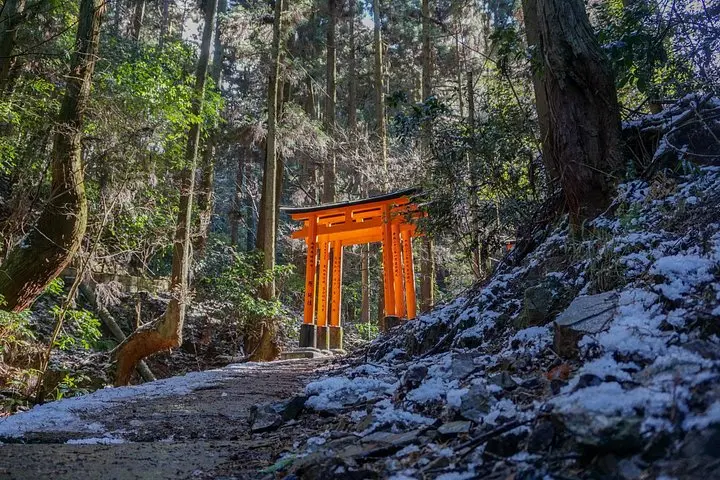
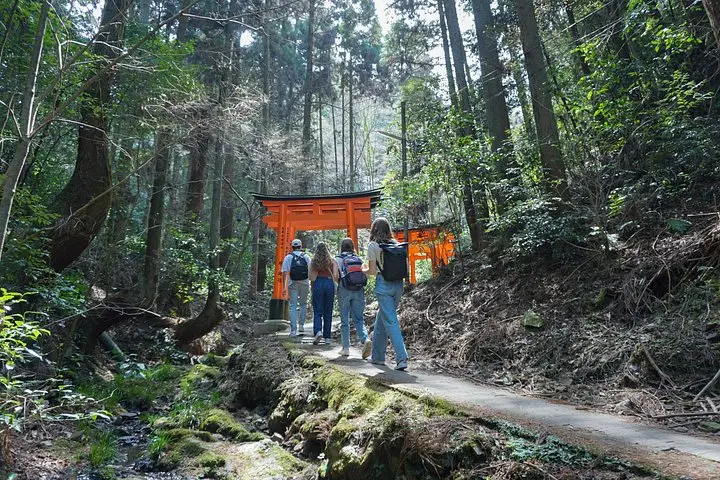
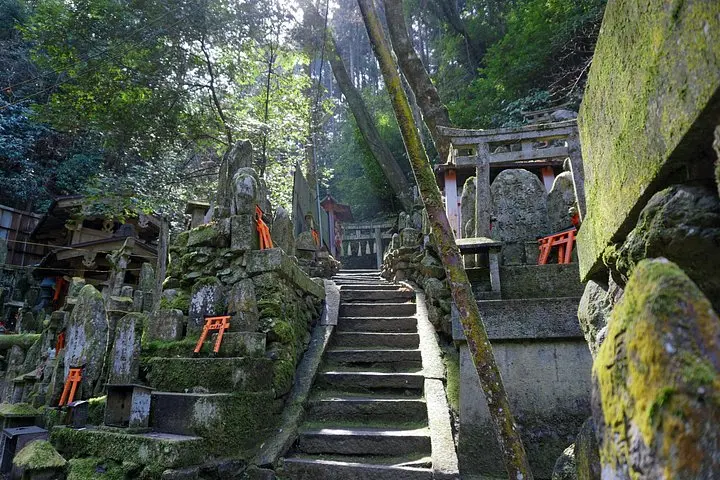
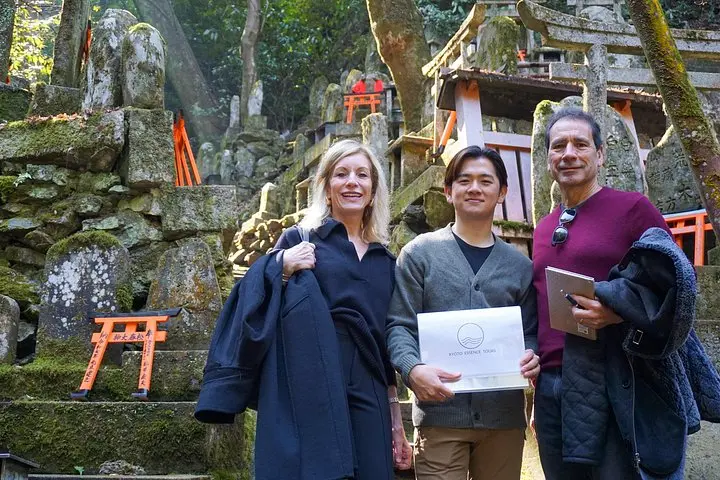
Dawn filters through vermilion gates as you step off the busy approach and onto a trail that quiets the city. The air is cool, pine needles soft underfoot, and fox statues watch from moss-darkened stones. For three hours a private guide leads you away from the crowds, through a bamboo grove and into the lesser-known ridges above Fushimi Inari Taisha, where the city spreads like a folded map below.
Dawn filters through vermilion gates as you step off the busy approach and onto a trail that quiets the city. The air is cool, pine needles soft underfoot, and fox statues watch from moss-darkened stones. For three hours a private guide leads you away from the crowds, through a bamboo grove and into the lesser-known ridges above Fushimi Inari Taisha, where the city spreads like a folded map below.
Fushimi Inari’s origins reach back to the early 8th century as the principal shrine for Inari, the kami of rice and prosperity. The iconic Senbon Torii—the thousands of donated gates—are a relatively modern accumulation, each one inscribed with the donor’s name. Geologically the hill is modest volcanic foothill terrain: short, steep pitches, layered bedrock, and well-worn dirt paths that funnel rainwater into narrow gullies.
Culturally, the hike threads Shinto practices and local lore: fox motifs, small roadside shrines, and rituals of offering. Your guide interprets inscriptions, points out moss-covered stone markers, and explains how the gates reflect community support across generations.
Practically, expect 2–3 miles of mixed trail with short stair sections, modest elevation gain, and some uneven footing. Bring steady footwear, a small daypack, and a refillable water bottle. Start early to catch the light and avoid midday crowds; the guide provides cultural context and in-tour photos. Respect the torii as donated objects—don’t climb or lean on them—and stay on designated paths to protect vegetation. This is a compact, sensory-rich hike that rewards curiosity and offers a quieter view of one of Japan’s most photographed shrines.