THE ADVENTURE COLLECTIVE® · Independent discovery and booking for outdoor travel

Walk less-traveled trails from Sapa to Suoi Ho, Ma Tra and Ta Phin—an immersive day trek through rice terraces, tea gardens, and living ethnic villages. Learn embroidery traditions, visit a local school, and relax in a Red Dao herbal bath.
Walk less-traveled trails from Sapa to Suoi Ho, Ma Tra and Ta Phin—an immersive day trek through rice terraces, tea gardens, and living ethnic villages. Learn embroidery traditions, visit a local school, and relax in a Red Dao herbal bath.
The morning opens cool above Sapa as the group steps off a narrow lane and into dirt trails that disappear between terraced rice and cardamom gardens. Steam from a village kitchen mixes with damp earth; tea bushes slope away like folded hands. The trek follows ancient paths used by water buffalo and villagers, moving from Suoi Ho through Ma Tra and finally to Ta Phin, where houses perch on ridgelines and laughter drifts from weaving workshops.
Verified experiences and guided adventures in the surrounding area.
Operated by Local Tours SAPA · Sapa, Lao Cai
The morning opens cool above Sapa as the group steps off a narrow lane and into dirt trails that disappear between terraced rice and cardamom gardens. Steam from a village kitchen mixes with damp earth; tea bushes slope away like folded hands. The trek follows ancient paths used by water buffalo and villagers, moving from Suoi Ho through Ma Tra and finally to Ta Phin, where houses perch on ridgelines and laughter drifts from weaving workshops.
Geology here is steep, carved by rivers and centuries of terrace farming; soils sit atop metamorphic bedrock typical of the Hoang Lien Range. Sapa grew as a French hill station in the early 20th century and today remains a mosaic of ethnic identity—Black H’mong and Red Dao families farm, embroider, and maintain herbal-bath traditions that visitors can observe. The tour’s cultural highlights include visits to a small primary school, a hands-on look at embroidered textiles, and an optional Red Dao herbal bath.
Practical guidance: the full route covers roughly 7–9 km over 4–5 hours on uneven, sometimes slippery trails with modest, repeated elevation changes rather than a single big climb. Wear grippy boots, layer for sudden fog and sun, and bring cash for village purchases. Hydrate before you start; water and a local lunch are included. Expect narrow buffalo trails, occasional steep steps cut into earth, and simple toilet facilities in villages. The trail is best with an English-speaking local guide who knows river crossings and etiquette—respect photos and ask before entering homes. By day’s end you return to Sapa town with a clearer sense of mountain life and a map of trails known more to locals than to guidebooks.
The tour runs about 4–5 hours covering approximately 7–9 km on dirt and terraced trails with repeated short climbs—rated moderate.
A local lunch and bottled water are included; bring extra water if you consume more than average or prefer continuous sipping.
Yes—visits include village stops, a small school, and demonstrations of embroidery; always ask permission before photographing or entering homes.
A traditional Red Dao herbal bath is included as listed; providers use local preparations—notify the operator of allergies or pregnancy (tour not recommended for pregnant travelers).
Local Tours SAPA operates guided outdoor trips and adventures with an emphasis on safety, stewardship, and memorable experiences.
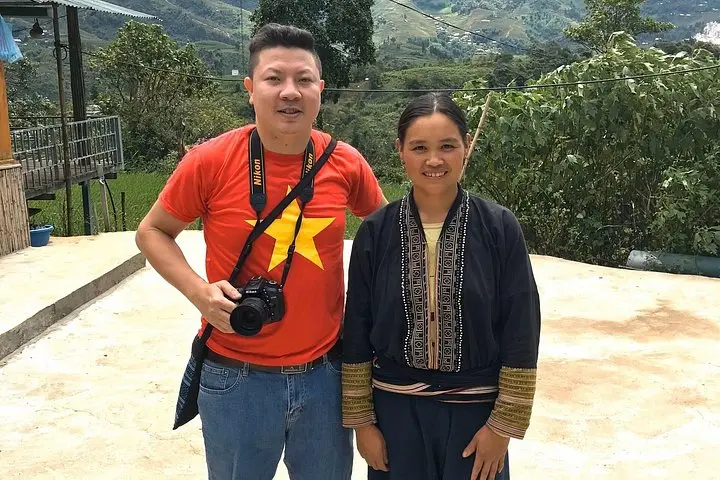
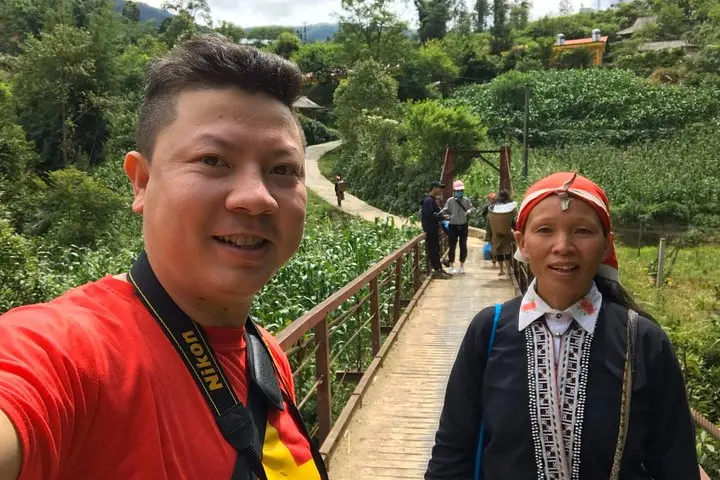
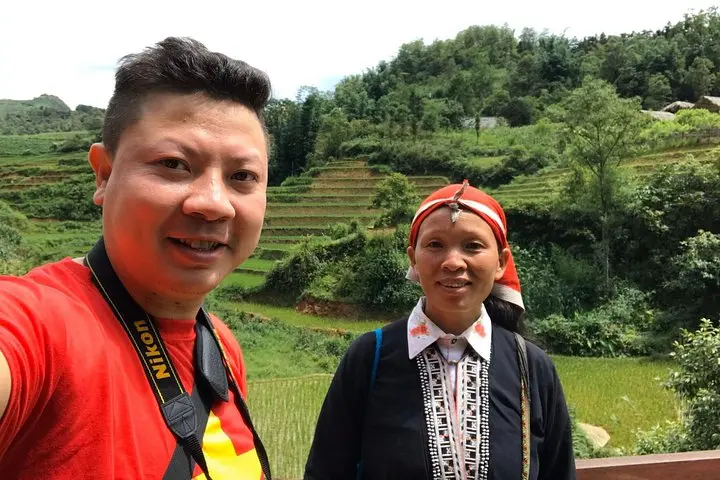
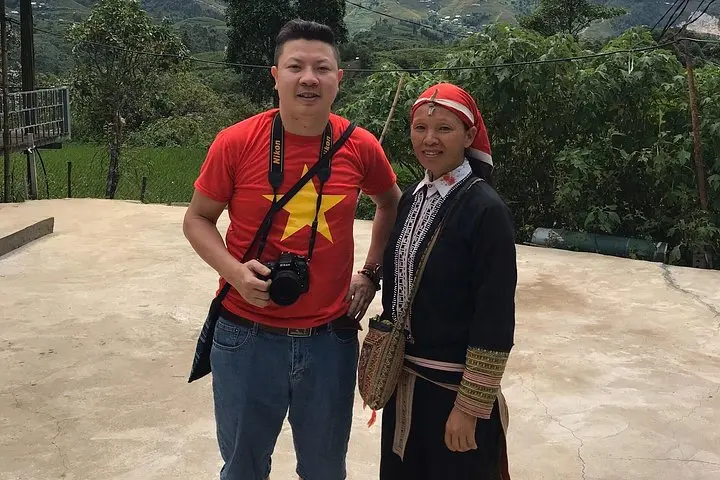
The morning opens cool above Sapa as the group steps off a narrow lane and into dirt trails that disappear between terraced rice and cardamom gardens. Steam from a village kitchen mixes with damp earth; tea bushes slope away like folded hands. The trek follows ancient paths used by water buffalo and villagers, moving from Suoi Ho through Ma Tra and finally to Ta Phin, where houses perch on ridgelines and laughter drifts from weaving workshops.
The morning opens cool above Sapa as the group steps off a narrow lane and into dirt trails that disappear between terraced rice and cardamom gardens. Steam from a village kitchen mixes with damp earth; tea bushes slope away like folded hands. The trek follows ancient paths used by water buffalo and villagers, moving from Suoi Ho through Ma Tra and finally to Ta Phin, where houses perch on ridgelines and laughter drifts from weaving workshops.
Geology here is steep, carved by rivers and centuries of terrace farming; soils sit atop metamorphic bedrock typical of the Hoang Lien Range. Sapa grew as a French hill station in the early 20th century and today remains a mosaic of ethnic identity—Black H’mong and Red Dao families farm, embroider, and maintain herbal-bath traditions that visitors can observe. The tour’s cultural highlights include visits to a small primary school, a hands-on look at embroidered textiles, and an optional Red Dao herbal bath.
Practical guidance: the full route covers roughly 7–9 km over 4–5 hours on uneven, sometimes slippery trails with modest, repeated elevation changes rather than a single big climb. Wear grippy boots, layer for sudden fog and sun, and bring cash for village purchases. Hydrate before you start; water and a local lunch are included. Expect narrow buffalo trails, occasional steep steps cut into earth, and simple toilet facilities in villages. The trail is best with an English-speaking local guide who knows river crossings and etiquette—respect photos and ask before entering homes. By day’s end you return to Sapa town with a clearer sense of mountain life and a map of trails known more to locals than to guidebooks.