THE ADVENTURE COLLECTIVE® · Independent discovery and booking for outdoor travel

Explore the surreal petrified waterfalls of Hierve el Agua and the weaving traditions of Teotitlán del Valle on this full-day shared tour from Oaxaca. Expect mineral pools, dramatic travertine cliffs, and hands-on textile demonstrations.
Explore the surreal petrified waterfalls of Hierve el Agua and the weaving traditions of Teotitlán del Valle on this full-day shared tour from Oaxaca. Expect mineral pools, dramatic travertine cliffs, and hands-on textile demonstrations.
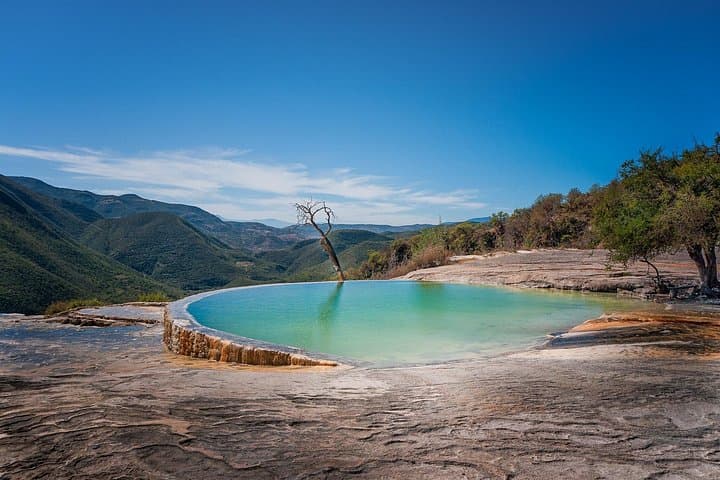
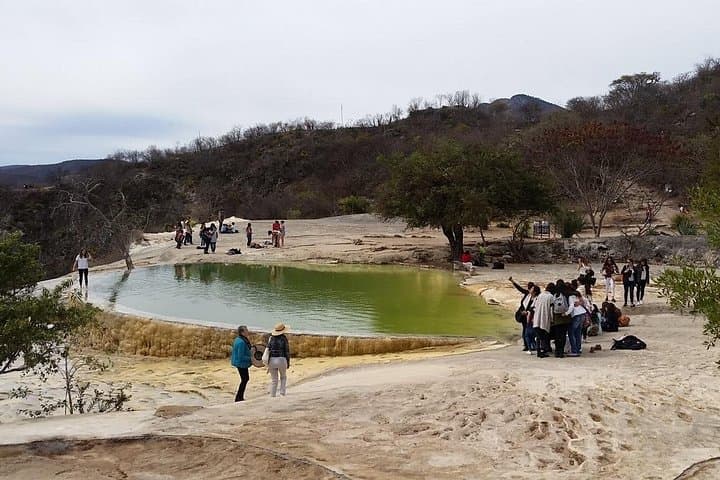
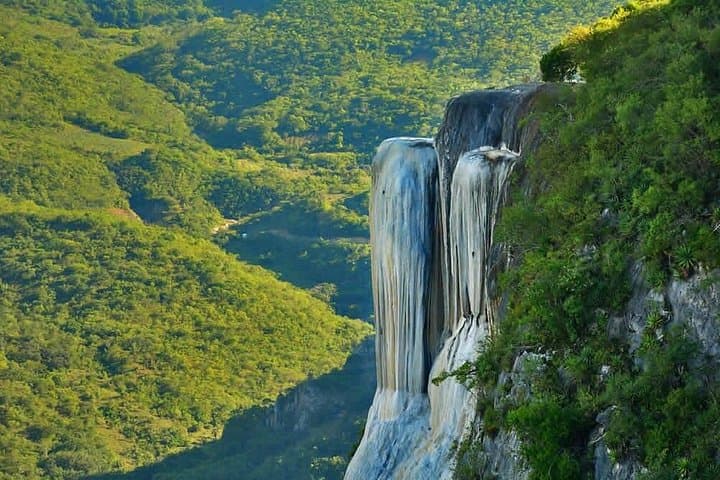
You arrive on a sun-baked road that climbs out of the central valley, the air drying as the mountains open. Crystalline springs have been carving and depositing for millennia; at Hierve el Agua the water has stopped moving and begun to keep its shape, frozen into cliffs and stair-stepped pools that dare you to step closer and photograph every angle.
Verified experiences and guided adventures in the surrounding area.
Operated by Syctravel.com · Oaxaca de Juárez, Oaxaca
You arrive on a sun-baked road that climbs out of the central valley, the air drying as the mountains open. Crystalline springs have been carving and depositing for millennia; at Hierve el Agua the water has stopped moving and begun to keep its shape, frozen into cliffs and stair-stepped pools that dare you to step closer and photograph every angle.
Geology here is obvious: calcium-rich spring water, flowing slowly over time, creates travertine formations that look like waterfalls turned to stone. Two principal cascades drop roughly 30 and 12 meters into a 200-meter ravine. The landscape around is arid scrub and agave, a sharp contrast to the shimmering mineral pools where water gathers.
Culturally the day finishes in Teotitlán del Valle, a Zapotec weaving village renowned for handwoven wool rugs dyed with cochineal and plant extracts. Workshops show spinning, natural dye baths, and looms where an intricate rug can take weeks to complete — a direct link between local craft and daily life.
Practical guidance: the tour runs about eight hours with hotel pickup in an air-conditioned vehicle; plan for moderate walking on uneven, often calcified surfaces and brief swims or dips if allowed. Bring sun protection, sturdy shoes with grip, at least 1–2 liters of water, and cash for entrances and local purchases. Morning light is best for photos and cooler hikes; afternoons bring passing storms in summer. Respect fragile terraces — formations are delicate and non-renewable.
Many tours allow short dips in designated pools—check with your operator on access and bring a swimsuit and towel.
The round-trip drive is about 1.5–2 hours each way depending on traffic; total tour duration is roughly eight hours including stops.
Policies vary; this tour description notes admission to Hierve el Agua is included, but budget for any additional local fees or donations.
Yes—this itinerary is rated easy, but expect uneven ground; bring mobility aids if needed and note infants must sit on laps.
Syctravel.com operates guided outdoor trips and adventures with an emphasis on safety, stewardship, and memorable experiences.

You arrive on a sun-baked road that climbs out of the central valley, the air drying as the mountains open. Crystalline springs have been carving and depositing for millennia; at Hierve el Agua the water has stopped moving and begun to keep its shape, frozen into cliffs and stair-stepped pools that dare you to step closer and photograph every angle.
You arrive on a sun-baked road that climbs out of the central valley, the air drying as the mountains open. Crystalline springs have been carving and depositing for millennia; at Hierve el Agua the water has stopped moving and begun to keep its shape, frozen into cliffs and stair-stepped pools that dare you to step closer and photograph every angle.
Geology here is obvious: calcium-rich spring water, flowing slowly over time, creates travertine formations that look like waterfalls turned to stone. Two principal cascades drop roughly 30 and 12 meters into a 200-meter ravine. The landscape around is arid scrub and agave, a sharp contrast to the shimmering mineral pools where water gathers.
Culturally the day finishes in Teotitlán del Valle, a Zapotec weaving village renowned for handwoven wool rugs dyed with cochineal and plant extracts. Workshops show spinning, natural dye baths, and looms where an intricate rug can take weeks to complete — a direct link between local craft and daily life.
Practical guidance: the tour runs about eight hours with hotel pickup in an air-conditioned vehicle; plan for moderate walking on uneven, often calcified surfaces and brief swims or dips if allowed. Bring sun protection, sturdy shoes with grip, at least 1–2 liters of water, and cash for entrances and local purchases. Morning light is best for photos and cooler hikes; afternoons bring passing storms in summer. Respect fragile terraces — formations are delicate and non-renewable.