THE ADVENTURE COLLECTIVE® · Independent discovery and booking for outdoor travel

Spend a day with two locals exploring Higashiyama’s iconic shrines, historic lanes and quiet craft shops. This private, eight-hour walk blends spiritual sites like Fushimi Inari and Kiyomizu-dera with insider stops in artisan ateliers.
Spend a day with two locals exploring Higashiyama’s iconic shrines, historic lanes and quiet craft shops. This private, eight-hour walk blends spiritual sites like Fushimi Inari and Kiyomizu-dera with insider stops in artisan ateliers.
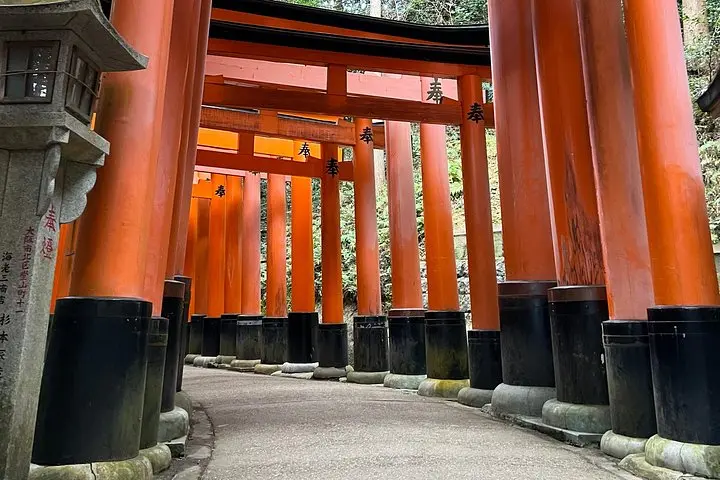
Morning fog lifts off the cedar-lined paths as the group steps from a Shijo-dori station into Higashiyama's slow rhythm. The guide duo — an Italian-Japanese couple — leads in Italian, translating the city's gestures: the low bow of a temple attendant, the clink of a tea bowl, and the red torii gates queuing into the forest like a patient crowd.
Verified experiences and guided adventures in the surrounding area.
Operated by Giappone in Due · Kyoto, Kyoto Prefecture
Morning fog lifts off the cedar-lined paths as the group steps from a Shijo-dori station into Higashiyama's slow rhythm. The guide duo — an Italian-Japanese couple — leads in Italian, translating the city's gestures: the low bow of a temple attendant, the clink of a tea bowl, and the red torii gates queuing into the forest like a patient crowd.
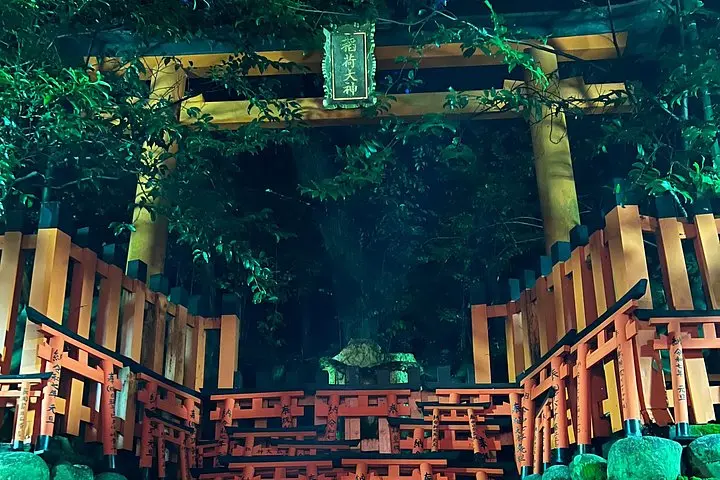
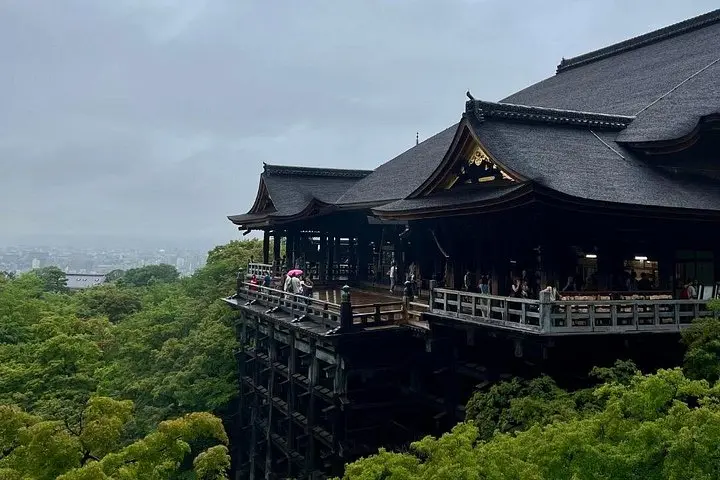
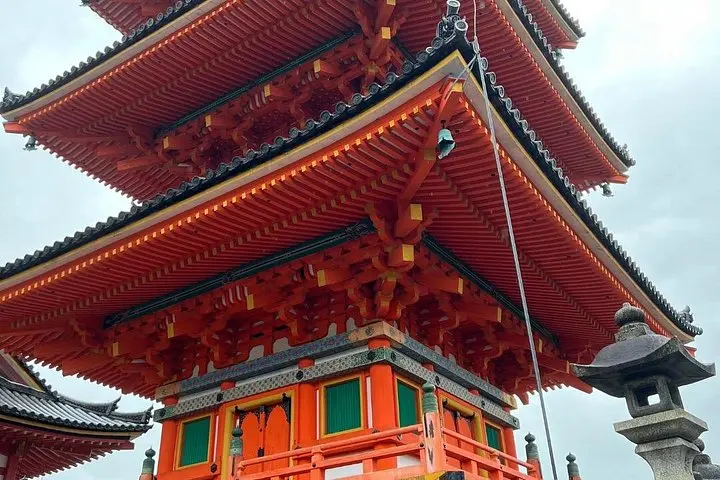
This eight-hour private walk threads Fushimi Inari's thousand vermilion gates with Kiyomizu-dera's raised wooden verandah, then down the polished slopes of Sannenzaka and Ninenzaka. Geologically, Kyoto sits in a gentle basin; the city's hills and rivers shaped trade routes and temple siting for centuries. Visitors encounter Kōdai-ji's Zen gardens and tea pavilions, each space reflecting Muromachi and Edo period aesthetics, while Nene no Michi recalls the life of Toyotomi Hideyoshi's wife through narrow lanes and preserved wooden houses.
Local craft shops and antique stalls reveal living traditions — lacquer, pottery, and hand-made washi — and guides point out how ritual, material, and urban planning intersect in everyday Kyoto. Expect moderate walking, stair sections, and short train hops (about 15 minutes to Fushimi Inari).
Practical notes: wear supportive shoes for uneven stone and temple steps, carry cash for small purchases and shrine donations, and plan 600¥ for Kōdai-ji admission and optional kyūdō experience from about ¥2,200. Bring a public-transport card, hydrate between temple visits, and move deliberately and respectfully in sacred spaces.
The private tour covers several kilometers over 8 hours, including stairs and uneven stone streets; participants should expect sustained walking with breaks.
Most stops are viewed externally; Kōdai-ji has an admission fee of about ¥600 per person that is not included by default.
Infants are allowed but must sit on an adult’s lap; the tour requires moderate mobility and isn’t recommended for visitors with serious back or heart issues.
The tour is led in Italian by an Italian-Japanese couple, offering cultural context from both perspectives; private arrangements may vary by booking.
Giappone in Due operates guided outdoor trips and adventures with an emphasis on safety, stewardship, and memorable experiences.
Morning fog lifts off the cedar-lined paths as the group steps from a Shijo-dori station into Higashiyama's slow rhythm. The guide duo — an Italian-Japanese couple — leads in Italian, translating the city's gestures: the low bow of a temple attendant, the clink of a tea bowl, and the red torii gates queuing into the forest like a patient crowd.
Morning fog lifts off the cedar-lined paths as the group steps from a Shijo-dori station into Higashiyama's slow rhythm. The guide duo — an Italian-Japanese couple — leads in Italian, translating the city's gestures: the low bow of a temple attendant, the clink of a tea bowl, and the red torii gates queuing into the forest like a patient crowd.
This eight-hour private walk threads Fushimi Inari's thousand vermilion gates with Kiyomizu-dera's raised wooden verandah, then down the polished slopes of Sannenzaka and Ninenzaka. Geologically, Kyoto sits in a gentle basin; the city's hills and rivers shaped trade routes and temple siting for centuries. Visitors encounter Kōdai-ji's Zen gardens and tea pavilions, each space reflecting Muromachi and Edo period aesthetics, while Nene no Michi recalls the life of Toyotomi Hideyoshi's wife through narrow lanes and preserved wooden houses.
Local craft shops and antique stalls reveal living traditions — lacquer, pottery, and hand-made washi — and guides point out how ritual, material, and urban planning intersect in everyday Kyoto. Expect moderate walking, stair sections, and short train hops (about 15 minutes to Fushimi Inari).
Practical notes: wear supportive shoes for uneven stone and temple steps, carry cash for small purchases and shrine donations, and plan 600¥ for Kōdai-ji admission and optional kyūdō experience from about ¥2,200. Bring a public-transport card, hydrate between temple visits, and move deliberately and respectfully in sacred spaces.