THE ADVENTURE COLLECTIVE® · Independent discovery and booking for outdoor travel

A long private day trip from San Pedro de Atacama that reaches 4,600 m to explore the Salar de Tara viewpoint, the quieter Pujsa salt flat and the vast Pacana caldera. Expect dramatic volcanic geology, high-altitude wetlands and possible sightings of vicuña and James’s flamingo.
A long private day trip from San Pedro de Atacama that reaches 4,600 m to explore the Salar de Tara viewpoint, the quieter Pujsa salt flat and the vast Pacana caldera. Expect dramatic volcanic geology, high-altitude wetlands and possible sightings of vicuña and James’s flamingo.
Morning light fractures over the altiplano as a private 4x4 climbs away from San Pedro de Atacama, the road folding upward into thin air and volcanic silhouettes. By midmorning the party stands above 4,600 m; shallow springs shimmer where snowmelt finds the plain and vicuñas lift their heads from brittle grasses. The landscape feels alive—winds that push forward, salt flats that glare back, and cliffs that loom like weathered architects.
Verified experiences and guided adventures in the surrounding area.
Operated by Enjoy Atacama · San Pedro de Atacama, Antofagasta Region
Morning light fractures over the altiplano as a private 4x4 climbs away from San Pedro de Atacama, the road folding upward into thin air and volcanic silhouettes. By midmorning the party stands above 4,600 m; shallow springs shimmer where snowmelt finds the plain and vicuñas lift their heads from brittle grasses. The landscape feels alive—winds that push forward, salt flats that glare back, and cliffs that loom like weathered architects.
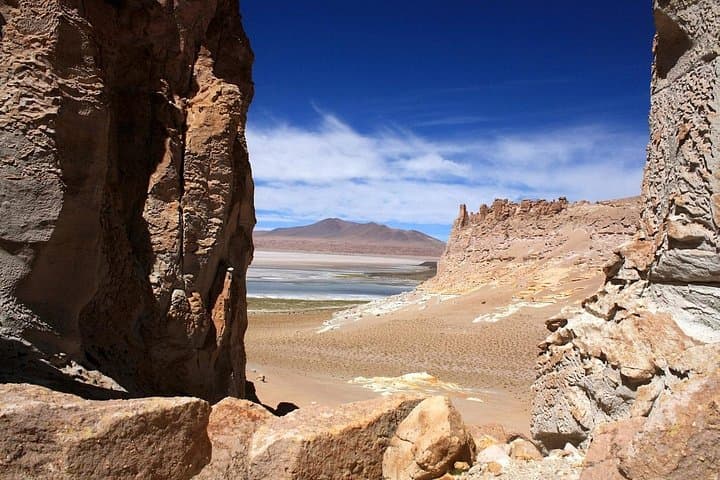
This route threads volcanic history and salt-flat ecology. The Pacana caldera is one of the world’s largest collapsed volcanic structures, its ignimbrite layers carved into the Monjes de Pacana—towering rock forms created by ancient, explosive eruptions. Salar de Pujsa is a quieter salt flat and seasonal nesting ground for James’s flamingo; the water chemistry and altitude create fragile wetlands that sustain specialized birds and plants. Local Atacameño communities have used these high plains for camelid grazing and salt gathering for centuries.
Practical notes: this is a long, high-day in exposed terrain—expect strong UV, cold winds, and altitude effects. Timing matters; early light is best for photography and wildlife activity. Guides typically include bottled water and lunch and provide private transport.
Plan to acclimatize in San Pedro for 24–48 hours, carry layered clothing, and protect eyes and skin. Move deliberately on short walks at altitude, keep group pace steady, and avoid disturbing nesting birds. With preparation this private expedition delivers stark geological theater, close wildlife encounters, and a vivid introduction to Chile’s high Andean plateaus.
The private expedition is roughly 9 hours; departures are early morning from San Pedro de Atacama to maximize daylight and wildlife activity.
The itinerary involves mostly vehicle travel and short walks, but high altitude can be taxing; travelers should acclimatize and inform guides of any health issues.
Sightings are common but not guaranteed; James’s flamingos use Pujsa seasonally while vicuñas inhabit the high puna and can often be seen grazing.
Yes—private transportation, bottled water and a provided lunch are typically included in the tour package.
Enjoy Atacama operates guided outdoor trips and adventures with an emphasis on safety, stewardship, and memorable experiences.
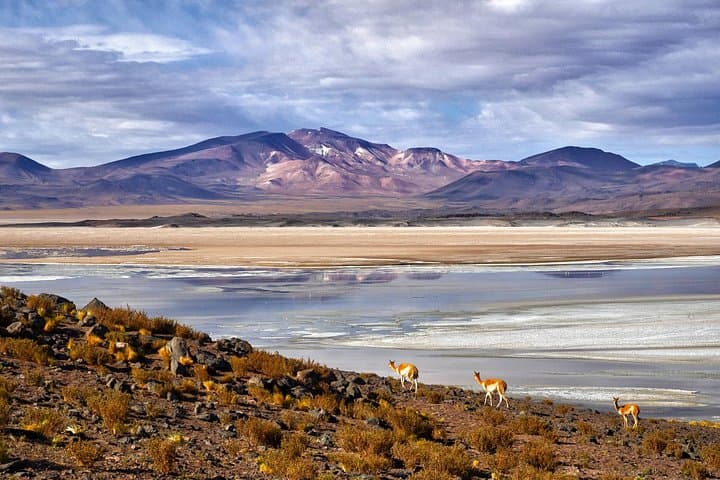
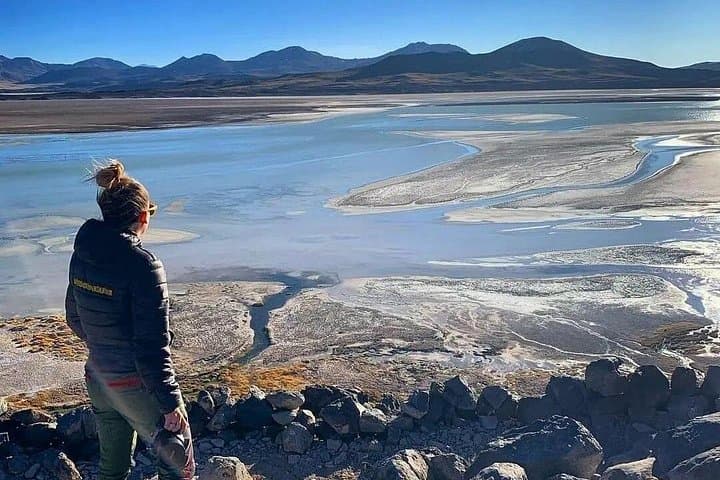
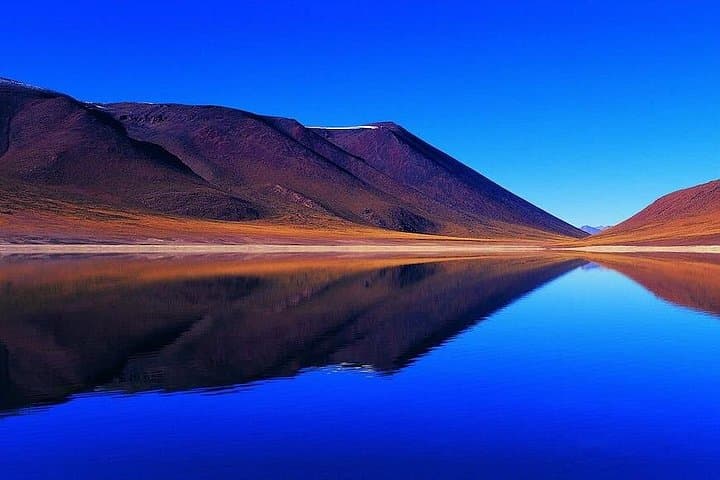
Morning light fractures over the altiplano as a private 4x4 climbs away from San Pedro de Atacama, the road folding upward into thin air and volcanic silhouettes. By midmorning the party stands above 4,600 m; shallow springs shimmer where snowmelt finds the plain and vicuñas lift their heads from brittle grasses. The landscape feels alive—winds that push forward, salt flats that glare back, and cliffs that loom like weathered architects.
Morning light fractures over the altiplano as a private 4x4 climbs away from San Pedro de Atacama, the road folding upward into thin air and volcanic silhouettes. By midmorning the party stands above 4,600 m; shallow springs shimmer where snowmelt finds the plain and vicuñas lift their heads from brittle grasses. The landscape feels alive—winds that push forward, salt flats that glare back, and cliffs that loom like weathered architects.
This route threads volcanic history and salt-flat ecology. The Pacana caldera is one of the world’s largest collapsed volcanic structures, its ignimbrite layers carved into the Monjes de Pacana—towering rock forms created by ancient, explosive eruptions. Salar de Pujsa is a quieter salt flat and seasonal nesting ground for James’s flamingo; the water chemistry and altitude create fragile wetlands that sustain specialized birds and plants. Local Atacameño communities have used these high plains for camelid grazing and salt gathering for centuries.
Practical notes: this is a long, high-day in exposed terrain—expect strong UV, cold winds, and altitude effects. Timing matters; early light is best for photography and wildlife activity. Guides typically include bottled water and lunch and provide private transport.
Plan to acclimatize in San Pedro for 24–48 hours, carry layered clothing, and protect eyes and skin. Move deliberately on short walks at altitude, keep group pace steady, and avoid disturbing nesting birds. With preparation this private expedition delivers stark geological theater, close wildlife encounters, and a vivid introduction to Chile’s high Andean plateaus.