THE ADVENTURE COLLECTIVE® · Independent discovery and booking for outdoor travel

Spend three days climbing High Atlas passes, walking between traditional Berber villages and sleeping in guesthouses while mules carry your luggage. This guided trek balances challenging days on high passes with cultural stops and sweeping valley views.
Spend three days climbing High Atlas passes, walking between traditional Berber villages and sleeping in guesthouses while mules carry your luggage. This guided trek balances challenging days on high passes with cultural stops and sweeping valley views.
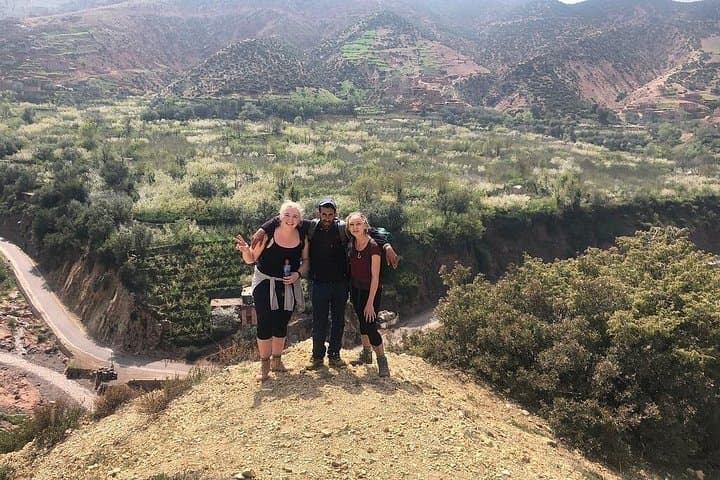
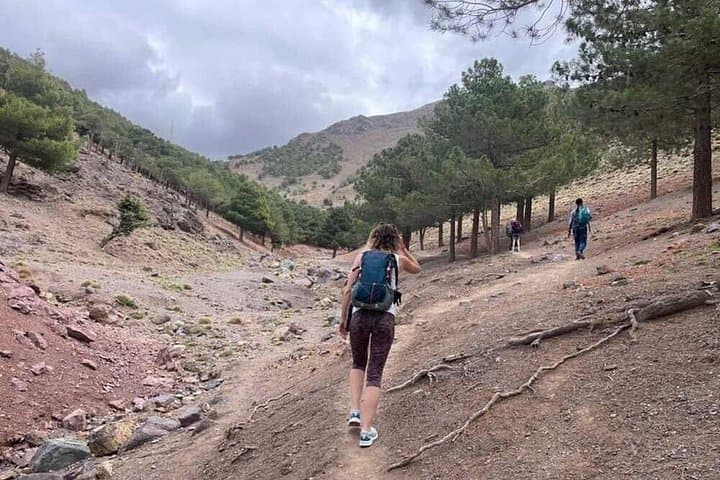
On the first trailhead you step out of Marrakech's heat into pine-scented air and a landscape that quickly tightens into ridgelines and terraced fields. The trail climbs steadily from Imlil (about 1,740 m), pushes over Tizi n’ Tamaterte (≈2,300 m) and later Mzik pass (≈2,500 m), with the wind and stone shaping how you move — the mountains insist you earn every view.
Verified experiences and guided adventures in the surrounding area.
Operated by Trips From Marrakech · Imlil, Marrakech-Safi
On the first trailhead you step out of Marrakech's heat into pine-scented air and a landscape that quickly tightens into ridgelines and terraced fields. The trail climbs steadily from Imlil (about 1,740 m), pushes over Tizi n’ Tamaterte (≈2,300 m) and later Mzik pass (≈2,500 m), with the wind and stone shaping how you move — the mountains insist you earn every view.
These routes thread through the heart of the High Atlas and Toubkal National Park, carved from uplifted sedimentary rock and glaciated valleys. The region has long been home to Amazigh (Berber) communities; villages like Tachdirt and Aït Aïssa still practice terraced agriculture and pastoralism, and evening hamams and guesthouse meals give a clear window into daily life.
Expect varied terrain: rocky switchbacks, shepherd tracks, narrow passes and shaded gullies with seasonal streams. Days two and three include sustained mileage — 7–8 hours on the middle day — with mules carrying luggage and local guides setting pace. Weather shifts quickly at altitude; mornings can be cold and afternoons warm and windy.
Practical notes: carry a daypack with 2–3 liters of water, sturdy boots with ankle support, layered clothing for temperature swings, and snacks for energy between village meals. Plan on basic gite accommodation and communal dining. Allow extra time for slower hikers on the passes and brief acclimatization if you rarely spend time above 2,000 m. The route favors steady, patient hikers who want cultural encounters as much as high-mountain scenery.
No technical experience is required, but you should be comfortable walking several hours a day on uneven ground and at moderate altitude.
The trek includes local guiding, hotel pickup and drop-off, all meals during the trek, mules for luggage, and two nights’ accommodation in Berber guesthouses or gîtes.
The route reaches passes around 2,300–2,500 m; most hikers tolerate this well but take it slowly, hydrate, and notify guides of any symptoms.
Yes — muleteers and mules carry luggage on this trip by default; you still need a daypack with essentials for each walking day.
Trips From Marrakech operates guided outdoor trips and adventures with an emphasis on safety, stewardship, and memorable experiences.


On the first trailhead you step out of Marrakech's heat into pine-scented air and a landscape that quickly tightens into ridgelines and terraced fields. The trail climbs steadily from Imlil (about 1,740 m), pushes over Tizi n’ Tamaterte (≈2,300 m) and later Mzik pass (≈2,500 m), with the wind and stone shaping how you move — the mountains insist you earn every view.
On the first trailhead you step out of Marrakech's heat into pine-scented air and a landscape that quickly tightens into ridgelines and terraced fields. The trail climbs steadily from Imlil (about 1,740 m), pushes over Tizi n’ Tamaterte (≈2,300 m) and later Mzik pass (≈2,500 m), with the wind and stone shaping how you move — the mountains insist you earn every view.
These routes thread through the heart of the High Atlas and Toubkal National Park, carved from uplifted sedimentary rock and glaciated valleys. The region has long been home to Amazigh (Berber) communities; villages like Tachdirt and Aït Aïssa still practice terraced agriculture and pastoralism, and evening hamams and guesthouse meals give a clear window into daily life.
Expect varied terrain: rocky switchbacks, shepherd tracks, narrow passes and shaded gullies with seasonal streams. Days two and three include sustained mileage — 7–8 hours on the middle day — with mules carrying luggage and local guides setting pace. Weather shifts quickly at altitude; mornings can be cold and afternoons warm and windy.
Practical notes: carry a daypack with 2–3 liters of water, sturdy boots with ankle support, layered clothing for temperature swings, and snacks for energy between village meals. Plan on basic gite accommodation and communal dining. Allow extra time for slower hikers on the passes and brief acclimatization if you rarely spend time above 2,000 m. The route favors steady, patient hikers who want cultural encounters as much as high-mountain scenery.