THE ADVENTURE COLLECTIVE® · Independent discovery and booking for outdoor travel

A compact but demanding 3-day trek from Imlil through Imnane and Tizzi Oussem that reaches Taoudja for views of Mount Toubkal. Nights in Berber guesthouses, mule support for luggage, and local guides make this a culture-forward mountain hike.
A compact but demanding 3-day trek from Imlil through Imnane and Tizzi Oussem that reaches Taoudja for views of Mount Toubkal. Nights in Berber guesthouses, mule support for luggage, and local guides make this a culture-forward mountain hike.
Morning light slices through cedar trees above Imlil as your group steps onto a stony track, guides and a string of mules setting the pace. The path climbs through Imnane Valley, threads terraces and dry-stone villages, and pushes toward Tizi N'Tamatert and the Taoudja ridge; from 1,740 m to summit views near 2,700 m, the mountains open like pages of folded rock and sky.
Verified experiences and guided adventures in the surrounding area.
Operated by morocco views · Imlil, Marrakesh-Safi
Morning light slices through cedar trees above Imlil as your group steps onto a stony track, guides and a string of mules setting the pace. The path climbs through Imnane Valley, threads terraces and dry-stone villages, and pushes toward Tizi N'Tamatert and the Taoudja ridge; from 1,740 m to summit views near 2,700 m, the mountains open like pages of folded rock and sky.
Geology here is raw: schist and volcanic outcrops carved by winter torrents, with steep-sided valleys that funnel runoff toward the Tensift basin. Culturally, the route lives in Berber time — small guesthouses, slow-made stews, and mint tea served with an eye to hospitality. The trek passes villages where traditional stone construction and seasonal irrigation still shape daily life, and the guide’s local knowledge reveals stories of transhumance and Atlas trade routes used for centuries.
Expect sustained ascents, loose scree near passes, and steep descents on packed earth. Days average 5–6 hours on trail, with mule support for luggage and guesthouse nights rather than camping. Water is provided on the trek but carry a refillable bottle; sun and wind can be deceptively strong at higher elevations.
Practical tips: pace yourself on long climbs, use trekking poles for descents, and choose broken-in boots with good ankle support. Plan for early starts to avoid mid-day heat and learn a few Berber phrases — a simple salam goes a long way. This is a fitness-first, culture-rich short expedition: it rewards endurance and curiosity in equal measure.
Participants should have good aerobic fitness and experience with day hikes; expect sustained ascents of up to ~1,000 m and several hours on uneven terrain each day.
Overnights are in traditional Berber guesthouses (simple rooms, shared facilities), not tents; mule support carries main luggage between villages.
Organizers provide water refills at main stops, but you should carry a personal refillable bottle and treatment tablets if you prefer extra security.
Transfers typically take about 1–1.5 hours each way depending on traffic and road conditions; pickup and drop-off are included in most packages.
morocco views operates guided outdoor trips and adventures with an emphasis on safety, stewardship, and memorable experiences.
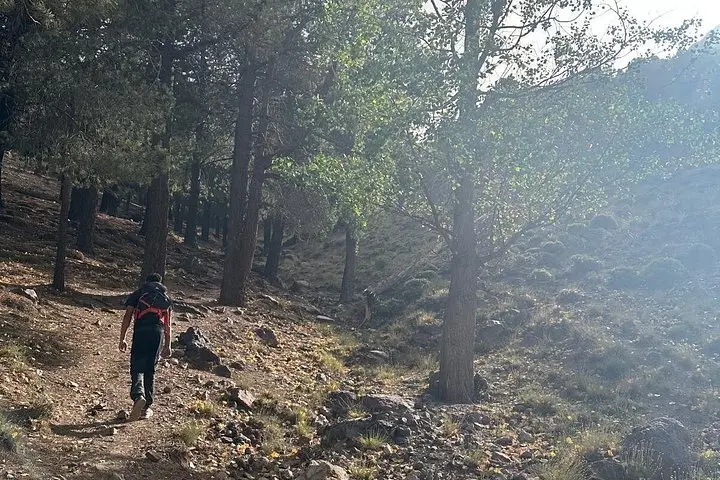
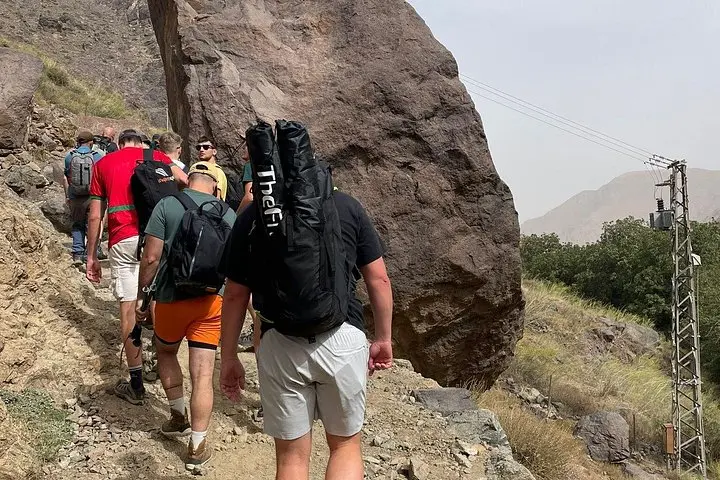
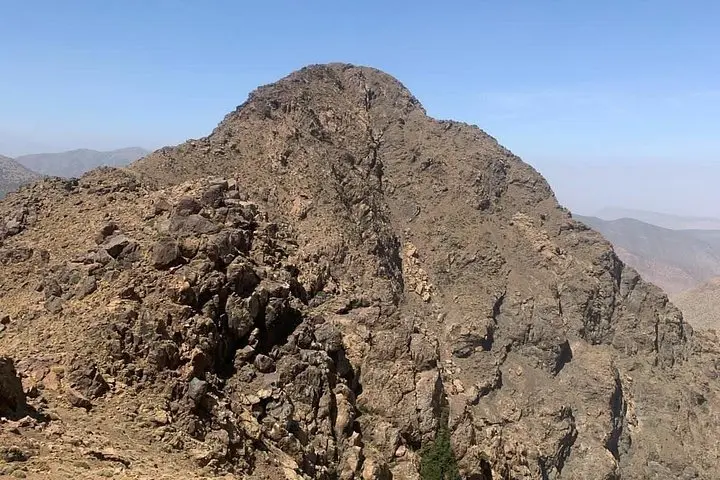
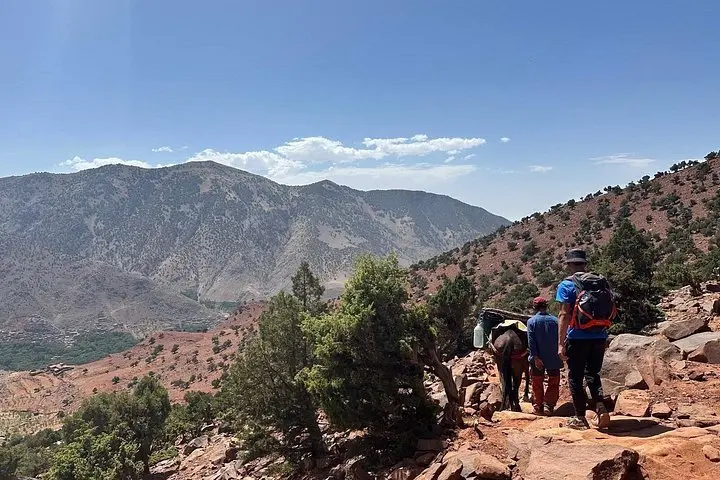
Morning light slices through cedar trees above Imlil as your group steps onto a stony track, guides and a string of mules setting the pace. The path climbs through Imnane Valley, threads terraces and dry-stone villages, and pushes toward Tizi N'Tamatert and the Taoudja ridge; from 1,740 m to summit views near 2,700 m, the mountains open like pages of folded rock and sky.
Morning light slices through cedar trees above Imlil as your group steps onto a stony track, guides and a string of mules setting the pace. The path climbs through Imnane Valley, threads terraces and dry-stone villages, and pushes toward Tizi N'Tamatert and the Taoudja ridge; from 1,740 m to summit views near 2,700 m, the mountains open like pages of folded rock and sky.
Geology here is raw: schist and volcanic outcrops carved by winter torrents, with steep-sided valleys that funnel runoff toward the Tensift basin. Culturally, the route lives in Berber time — small guesthouses, slow-made stews, and mint tea served with an eye to hospitality. The trek passes villages where traditional stone construction and seasonal irrigation still shape daily life, and the guide’s local knowledge reveals stories of transhumance and Atlas trade routes used for centuries.
Expect sustained ascents, loose scree near passes, and steep descents on packed earth. Days average 5–6 hours on trail, with mule support for luggage and guesthouse nights rather than camping. Water is provided on the trek but carry a refillable bottle; sun and wind can be deceptively strong at higher elevations.
Practical tips: pace yourself on long climbs, use trekking poles for descents, and choose broken-in boots with good ankle support. Plan for early starts to avoid mid-day heat and learn a few Berber phrases — a simple salam goes a long way. This is a fitness-first, culture-rich short expedition: it rewards endurance and curiosity in equal measure.