THE ADVENTURE COLLECTIVE® · Independent discovery and booking for outdoor travel

Drive into the High Atlas for a day of river hikes, waterfall viewpoints and hands-on encounters with Berber life. This full-day trip from Marrakech pairs short mountain walks with visits to argan cooperatives and a traditional Berber house.
Drive into the High Atlas for a day of river hikes, waterfall viewpoints and hands-on encounters with Berber life. This full-day trip from Marrakech pairs short mountain walks with visits to argan cooperatives and a traditional Berber house.
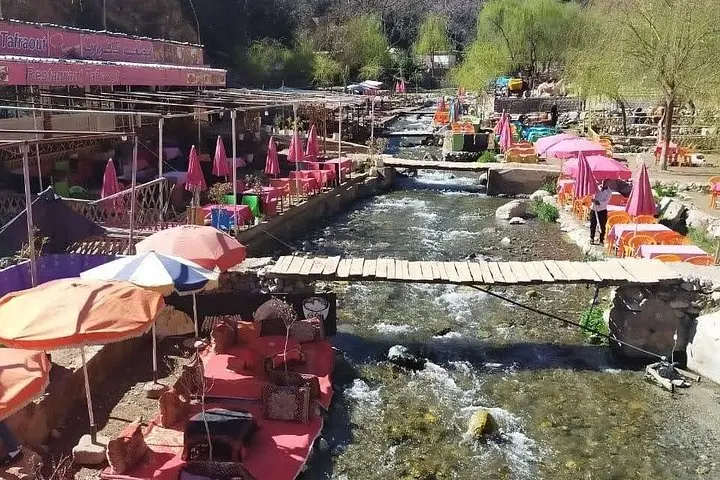
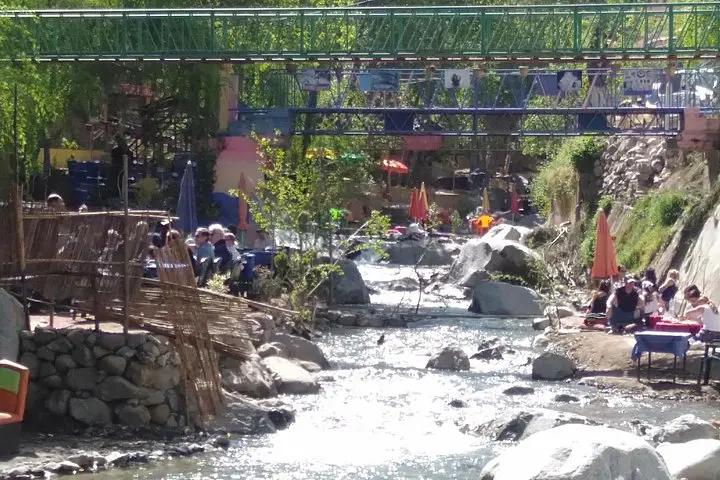
A ribbon of road peels away from Marrakech and climbs into the High Atlas; within an hour the city haze thins and the Ourika River starts to call. Stones and terraces line the valley walls, olive and fig trees lean over narrow tracks, and distant mule paths thread toward villages clinging to the slopes. The day begins with that slow reveal — village life, argan groves, and the steady rush of mountain water daring you to step closer.
Verified experiences and guided adventures in the surrounding area.
Operated by Merzouga Desert · Marrakech, Marrakech-Safi
A ribbon of road peels away from Marrakech and climbs into the High Atlas; within an hour the city haze thins and the Ourika River starts to call. Stones and terraces line the valley walls, olive and fig trees lean over narrow tracks, and distant mule paths thread toward villages clinging to the slopes. The day begins with that slow reveal — village life, argan groves, and the steady rush of mountain water daring you to step closer.
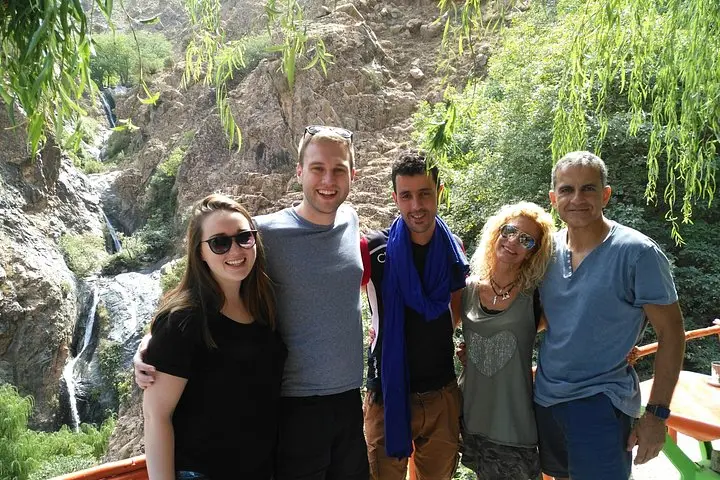
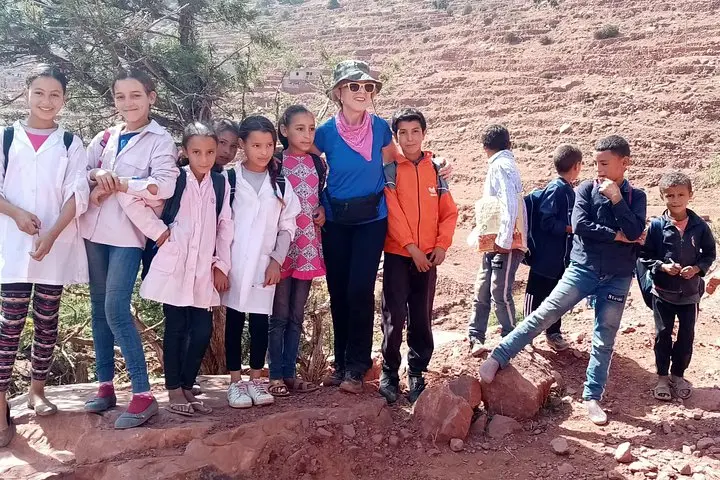
Geologically, the Ourika sits on the southern foothills of the High Atlas, where folded limestones and volcanic outcrops create steep gorges and layered terraces. Culturally the valley is shaped by Amazigh (Berber) communities whose seasonal farming and cooperative argan production remain central to local life; Setti Fadma has long been a gateway for both pilgrims and shepherds. Expect short guided walks to waterfall viewpoints, visits to a Berber house, and time at an argan cooperative where traditional pressing is demonstrated.
Practically: plan for a 7–9 hour day (about 60 km each way from Marrakech), with hiking segments of 1–3 hours on uneven, rocky and stepped trails and modest elevation changes (roughly 150–400 m gain on common waterfall routes). Wear sturdy shoes, carry 1–2 liters of water, and time visits for morning or late afternoon to avoid peak heat. Local guides navigate narrow lanes and can arrange a light lunch by the river; cash is useful for cooperatives and small purchases.
The experience balances easy cultural access with riparian paths and viewpoints that reward steady steps — a compact Atlas introduction that pairs landscape with living tradition.
The drive is roughly 45–75 minutes each way (about 60 km), depending on traffic and the exact drop-off point in the valley.
No technical climbing is required; hikes are 30–90 minutes on uneven, sometimes steep stone steps—moderate fitness and good footwear recommended.
Lunch is usually included as a riverside meal or at a local guesthouse featuring tagine, salads and mint tea; notify dietary needs in advance.
Bring small-denomination Moroccan dirhams for cooperatives, tea, tips and souvenirs; many small vendors do not accept cards.
Merzouga Desert operates guided outdoor trips and adventures with an emphasis on safety, stewardship, and memorable experiences.
A ribbon of road peels away from Marrakech and climbs into the High Atlas; within an hour the city haze thins and the Ourika River starts to call. Stones and terraces line the valley walls, olive and fig trees lean over narrow tracks, and distant mule paths thread toward villages clinging to the slopes. The day begins with that slow reveal — village life, argan groves, and the steady rush of mountain water daring you to step closer.
A ribbon of road peels away from Marrakech and climbs into the High Atlas; within an hour the city haze thins and the Ourika River starts to call. Stones and terraces line the valley walls, olive and fig trees lean over narrow tracks, and distant mule paths thread toward villages clinging to the slopes. The day begins with that slow reveal — village life, argan groves, and the steady rush of mountain water daring you to step closer.
Geologically, the Ourika sits on the southern foothills of the High Atlas, where folded limestones and volcanic outcrops create steep gorges and layered terraces. Culturally the valley is shaped by Amazigh (Berber) communities whose seasonal farming and cooperative argan production remain central to local life; Setti Fadma has long been a gateway for both pilgrims and shepherds. Expect short guided walks to waterfall viewpoints, visits to a Berber house, and time at an argan cooperative where traditional pressing is demonstrated.
Practically: plan for a 7–9 hour day (about 60 km each way from Marrakech), with hiking segments of 1–3 hours on uneven, rocky and stepped trails and modest elevation changes (roughly 150–400 m gain on common waterfall routes). Wear sturdy shoes, carry 1–2 liters of water, and time visits for morning or late afternoon to avoid peak heat. Local guides navigate narrow lanes and can arrange a light lunch by the river; cash is useful for cooperatives and small purchases.
The experience balances easy cultural access with riparian paths and viewpoints that reward steady steps — a compact Atlas introduction that pairs landscape with living tradition.