THE ADVENTURE COLLECTIVE® · Independent discovery and booking for outdoor travel

Leave Marrakech behind for a day of gentle mountain walking, Berber village visits, and a family-cooked lunch in Imlil. This accessible High Atlas tour blends easy trails with cultural insight and waterfall views.
Leave Marrakech behind for a day of gentle mountain walking, Berber village visits, and a family-cooked lunch in Imlil. This accessible High Atlas tour blends easy trails with cultural insight and waterfall views.
Morning light pins the red roofs of Marrakech behind you as the minivan climbs toward the High Atlas. By the time you reach Imlil, air thinned by altitude and cedar scent fills the cabin; the mountains feel like a patient companion, watching each village you pass.
Verified experiences and guided adventures in the surrounding area.
Operated by Marrakesh Travel Guide · Marrakech, Marrakesh-Safi
Morning light pins the red roofs of Marrakech behind you as the minivan climbs toward the High Atlas. By the time you reach Imlil, air thinned by altitude and cedar scent fills the cabin; the mountains feel like a patient companion, watching each village you pass.
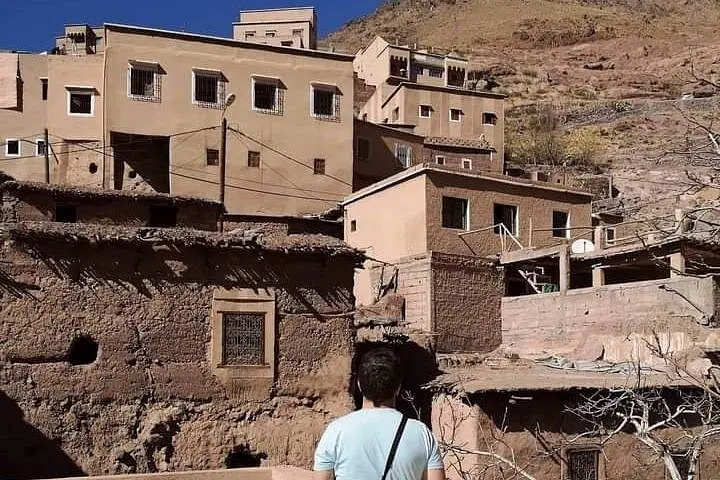
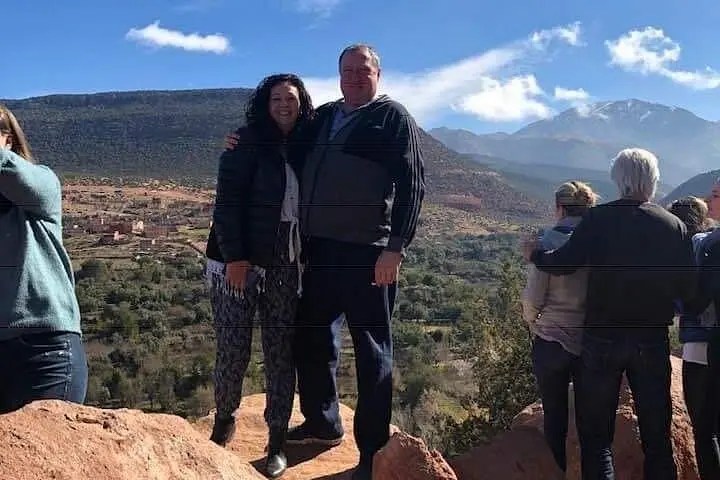
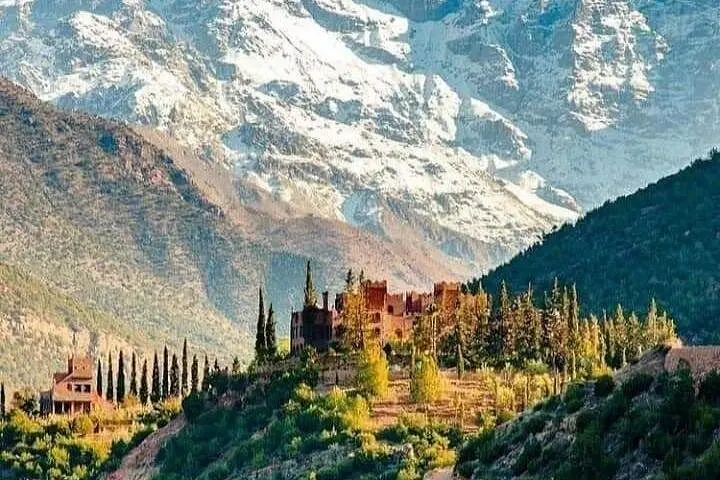
The route follows centuries-old mule tracks through Toubkal National Park, where volcanic and sedimentary rocks tilt into sharp ridgelines. Berber hamlets—stone houses roofed with local slate—trace family lineages and agricultural rhythms. Small waterfalls punctuate the trail, the river daring you to step closer for a cooler view.
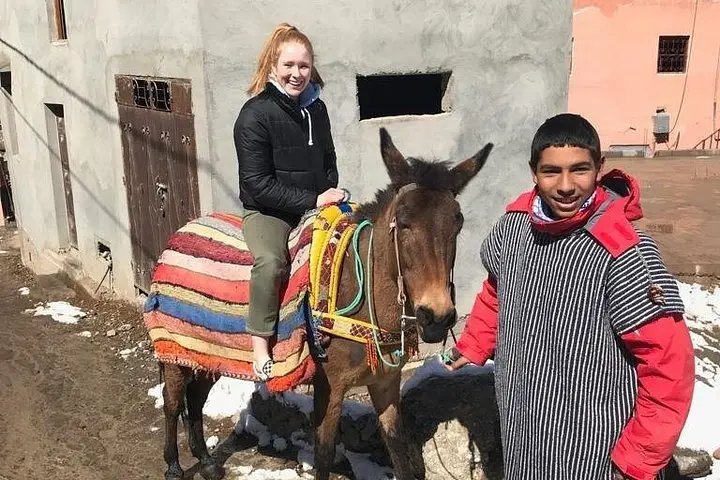
Cultural stops include a cooperative where women process argan, and a family home where lunch is cooked over a hearth—simple food that speaks to mountain life. Learn about Amazigh (Berber) traditions: seasonal transhumance, terraced fields, and the role of communal wells.
Practical guidance: expect light walking on uneven dirt tracks and occasional stone steps; total excursion time is about seven hours including transport. Wear sturdy shoes with grip, bring layered clothing for variable mountain temperatures, and pack sun protection—altitude increases UV exposure. Hydrate before and during the walk; bottled water is provided but carry a refillable bottle to reduce plastic.
Timing matters: mornings are coolest and least crowded; late afternoons return you to Marrakech by about 5:00 pm. Photography opportunities are constant—composition is often about catching small, lived-in details: laundry lines, terraced plots, or the slow current of a village stream. The tour is accessible for most fitness levels but rewards a steady, attentive pace.
The walk is gentle with gradual ascents between villages; most sections are short and manageable for people who walk regularly.
Yes—lunch is a traditional home-cooked Berber meal, typically featuring tagine, salad, bread and tea; vegetarian options are often available with advance notice.
The tour includes a local guide who leads the route, explains cultural points and handles logistics, so no independent navigation is required.
Spring and fall offer mild temperatures and blooming terraced fields; summer is warmer but still doable early in the day, while winter can bring snow higher up and colder conditions.
Marrakesh Travel Guide operates guided outdoor trips and adventures with an emphasis on safety, stewardship, and memorable experiences.
Morning light pins the red roofs of Marrakech behind you as the minivan climbs toward the High Atlas. By the time you reach Imlil, air thinned by altitude and cedar scent fills the cabin; the mountains feel like a patient companion, watching each village you pass.
Morning light pins the red roofs of Marrakech behind you as the minivan climbs toward the High Atlas. By the time you reach Imlil, air thinned by altitude and cedar scent fills the cabin; the mountains feel like a patient companion, watching each village you pass.
The route follows centuries-old mule tracks through Toubkal National Park, where volcanic and sedimentary rocks tilt into sharp ridgelines. Berber hamlets—stone houses roofed with local slate—trace family lineages and agricultural rhythms. Small waterfalls punctuate the trail, the river daring you to step closer for a cooler view.
Cultural stops include a cooperative where women process argan, and a family home where lunch is cooked over a hearth—simple food that speaks to mountain life. Learn about Amazigh (Berber) traditions: seasonal transhumance, terraced fields, and the role of communal wells.
Practical guidance: expect light walking on uneven dirt tracks and occasional stone steps; total excursion time is about seven hours including transport. Wear sturdy shoes with grip, bring layered clothing for variable mountain temperatures, and pack sun protection—altitude increases UV exposure. Hydrate before and during the walk; bottled water is provided but carry a refillable bottle to reduce plastic.
Timing matters: mornings are coolest and least crowded; late afternoons return you to Marrakech by about 5:00 pm. Photography opportunities are constant—composition is often about catching small, lived-in details: laundry lines, terraced plots, or the slow current of a village stream. The tour is accessible for most fitness levels but rewards a steady, attentive pace.