THE ADVENTURE COLLECTIVE® · Independent discovery and booking for outdoor travel

Drive the Tizi n’Tichka over the High Atlas to visit Telouet’s painted halls and the UNESCO-listed Ait Ben Haddou ksar. This private day trip combines cinematic architecture, mountain panoramas and an ethical carpet cooperative visit for a culturally rich one-day excursion from Marrakech.
Drive the Tizi n’Tichka over the High Atlas to visit Telouet’s painted halls and the UNESCO-listed Ait Ben Haddou ksar. This private day trip combines cinematic architecture, mountain panoramas and an ethical carpet cooperative visit for a culturally rich one-day excursion from Marrakech.
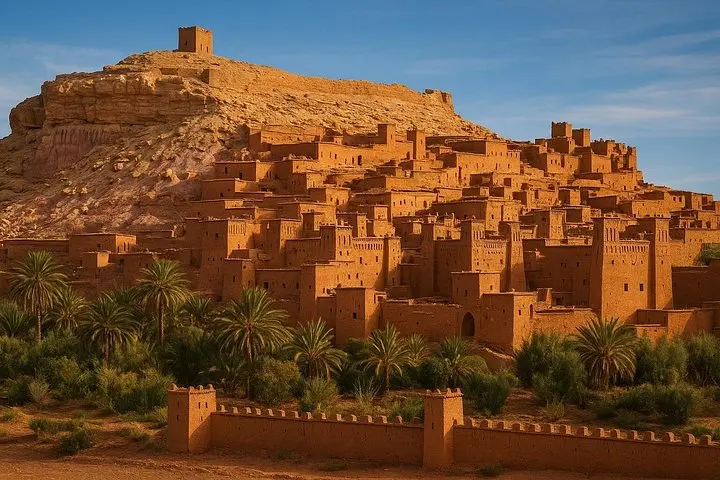
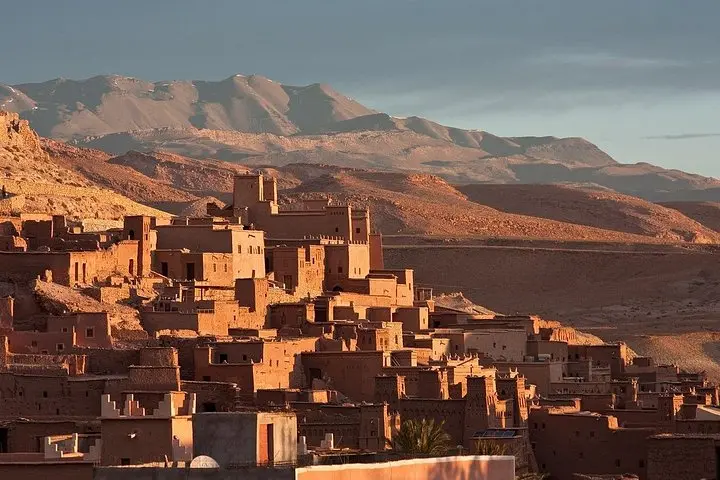
You climb out of Marrakech before dawn, the city’s ochre rooftops shrinking as the road unfurls into a progressively stern landscape. Air tightens and the High Atlas rises—switchbacks, wind-cut ridgelines and the Tizi n’Tichka pass at 2,260 m open like a theater curtain to valleys of terraced fields and rust-colored cliffs. By mid-morning the kasbahs appear: earthen towers and crenellated walls carved from the same soil as the slopes that cradle them.
Verified experiences and guided adventures in the surrounding area.
Operated by Vipmarrakechtrips · Ait Ben Haddou, Marrakesh-Safi
You climb out of Marrakech before dawn, the city’s ochre rooftops shrinking as the road unfurls into a progressively stern landscape. Air tightens and the High Atlas rises—switchbacks, wind-cut ridgelines and the Tizi n’Tichka pass at 2,260 m open like a theater curtain to valleys of terraced fields and rust-colored cliffs. By mid-morning the kasbahs appear: earthen towers and crenellated walls carved from the same soil as the slopes that cradle them.
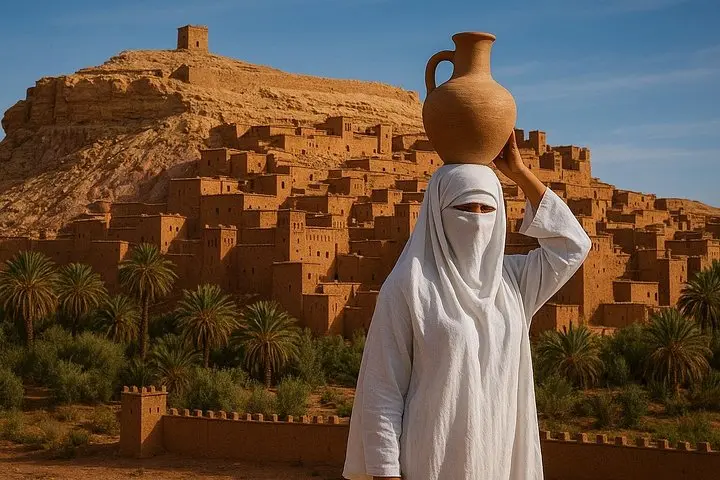
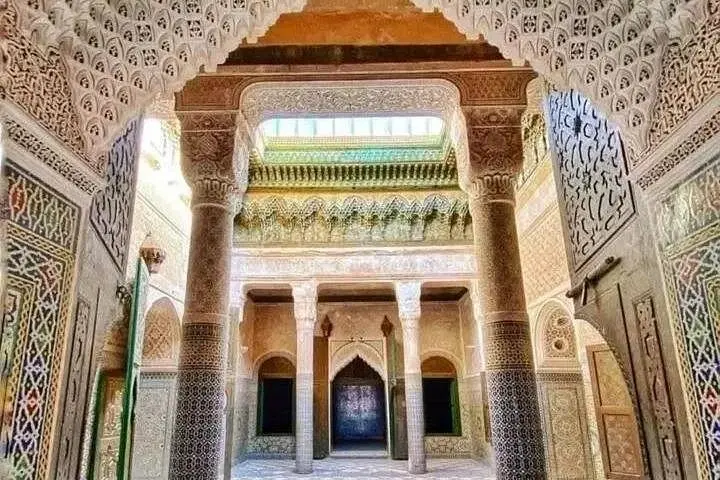
These fortified villages grew where caravan routes met mountain water, and Ait Ben Haddou’s ksar became both granary and film set—its alleys have framed Hollywood epics because the architecture preserves construction techniques unchanged for centuries. Telouet, once a Glaoui family palace, shows painted cedar ceilings and zellij tiles that recall a short-lived peak of regional power. Geologically the region is young and rugged, layered with sedimentary eroded into steep gullies; culturally it remains shaped by Amazigh (Berber) agriculture, communal weaving and seasonal markets.
Practical notes: expect a long but accessible day—most of the time is in an air-conditioned vehicle with multiple short walks on uneven surfaces and clay steps. Bring a reusable water bottle (refillable), sun protection, and comfortable shoes with grip for narrow alleys and dusty paths. Timing matters: arrive at Ait Ben Haddou early or late afternoon for softer light and fewer crowds. Respect private homes, ask before photographing people, and support local cooperatives if you wish to buy rugs—prices and stories are part of the value. With straightforward logistics and deeply textured landscapes, this route delivers both panoramic mountain driving and close-up cultural encounters that reward curiosity and considerate travel.
Yes—pickup from accommodations in Marrakech is included; confirm your pickup point when booking.
Entrance to Ait Ben Haddou’s main kasbah is included; lunch is optional and typically paid on-site (local restaurant buffet ~130 MAD).
The trip is low-impact with short walks on uneven ground; suitable for most fitness levels but involves a long day in the vehicle.
Photography of public spaces is allowed; always ask permission before photographing people or private interiors, and respect guide directions at historic sites.
Vipmarrakechtrips operates guided outdoor trips and adventures with an emphasis on safety, stewardship, and memorable experiences.
You climb out of Marrakech before dawn, the city’s ochre rooftops shrinking as the road unfurls into a progressively stern landscape. Air tightens and the High Atlas rises—switchbacks, wind-cut ridgelines and the Tizi n’Tichka pass at 2,260 m open like a theater curtain to valleys of terraced fields and rust-colored cliffs. By mid-morning the kasbahs appear: earthen towers and crenellated walls carved from the same soil as the slopes that cradle them.
You climb out of Marrakech before dawn, the city’s ochre rooftops shrinking as the road unfurls into a progressively stern landscape. Air tightens and the High Atlas rises—switchbacks, wind-cut ridgelines and the Tizi n’Tichka pass at 2,260 m open like a theater curtain to valleys of terraced fields and rust-colored cliffs. By mid-morning the kasbahs appear: earthen towers and crenellated walls carved from the same soil as the slopes that cradle them.
These fortified villages grew where caravan routes met mountain water, and Ait Ben Haddou’s ksar became both granary and film set—its alleys have framed Hollywood epics because the architecture preserves construction techniques unchanged for centuries. Telouet, once a Glaoui family palace, shows painted cedar ceilings and zellij tiles that recall a short-lived peak of regional power. Geologically the region is young and rugged, layered with sedimentary eroded into steep gullies; culturally it remains shaped by Amazigh (Berber) agriculture, communal weaving and seasonal markets.
Practical notes: expect a long but accessible day—most of the time is in an air-conditioned vehicle with multiple short walks on uneven surfaces and clay steps. Bring a reusable water bottle (refillable), sun protection, and comfortable shoes with grip for narrow alleys and dusty paths. Timing matters: arrive at Ait Ben Haddou early or late afternoon for softer light and fewer crowds. Respect private homes, ask before photographing people, and support local cooperatives if you wish to buy rugs—prices and stories are part of the value. With straightforward logistics and deeply textured landscapes, this route delivers both panoramic mountain driving and close-up cultural encounters that reward curiosity and considerate travel.