THE ADVENTURE COLLECTIVE® · Independent discovery and booking for outdoor travel

Escape Marrakech for a full‑day drive into the High Atlas: tea in Imlil, walks past waterfalls and terraced farms, visits to Berber villages and argan cooperatives, with panoramic views of Jebel Toubkal.
Escape Marrakech for a full‑day drive into the High Atlas: tea in Imlil, walks past waterfalls and terraced farms, visits to Berber villages and argan cooperatives, with panoramic views of Jebel Toubkal.
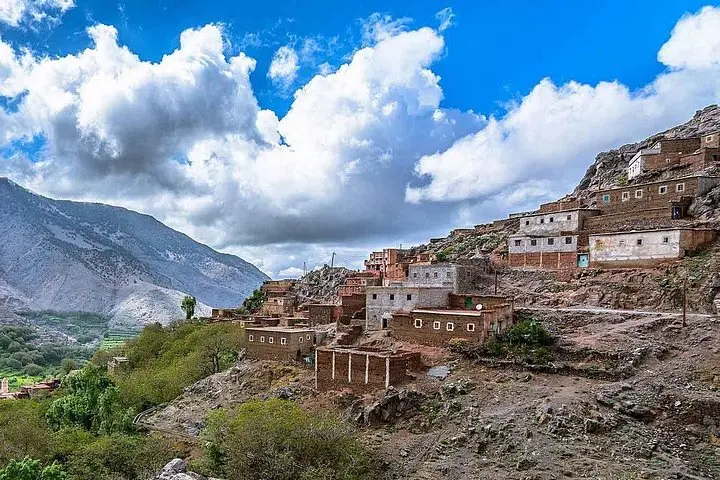
You step out of Marrakech’s morning heat into a ribbon of road that climbs, the minibus humming as olive groves and terraced fields slide by. The Atlas air grows cooler; walnut and apple trees reach across the valley like patient hosts. By mid‑morning you’re sipping mint tea in Imlil as the peaks push the sky back, and later the trail threads past waterfalls, irrigated terraces, and small stone villages where children wave from rooftop pens.
Verified experiences and guided adventures in the surrounding area.
Operated by Toubkal life trekking · Imlil, Marrakesh-Safi
You step out of Marrakech’s morning heat into a ribbon of road that climbs, the minibus humming as olive groves and terraced fields slide by. The Atlas air grows cooler; walnut and apple trees reach across the valley like patient hosts. By mid‑morning you’re sipping mint tea in Imlil as the peaks push the sky back, and later the trail threads past waterfalls, irrigated terraces, and small stone villages where children wave from rooftop pens.
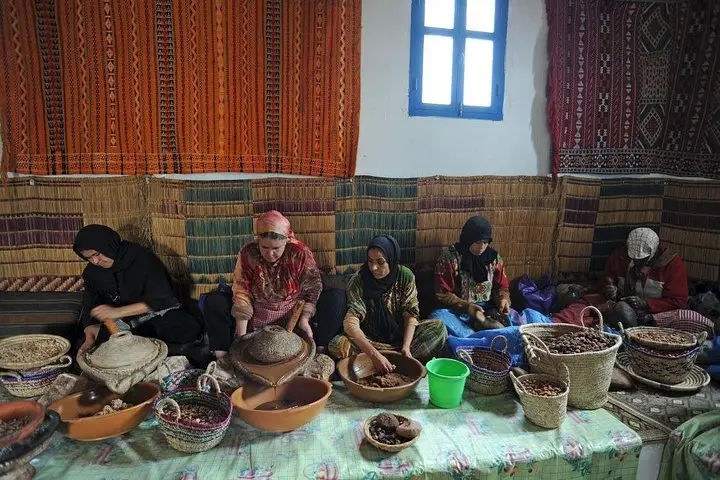
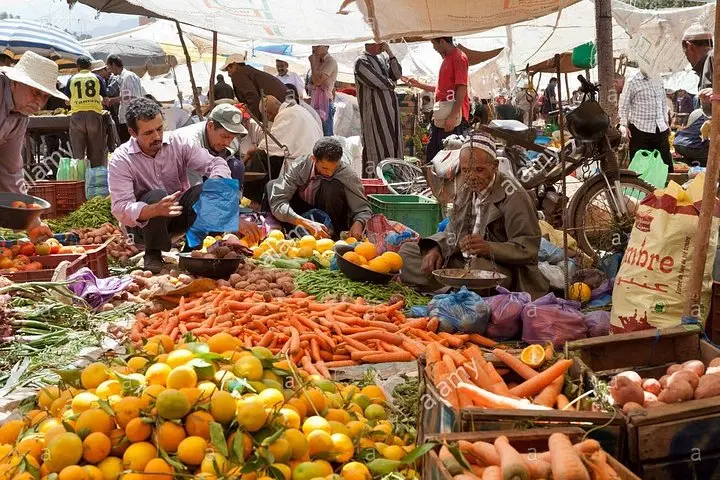
The High Atlas is both recent and ancient — geologically young mountains carved by uplift and erosion, and culturally old, home to Amazigh (Berber) communities who have farmed these slopes for centuries. Towns like Tahanaout and Asni still host weekly souks where local produce, argan cooperatives and handcrafted wool tell a living history of mountain life.
Expect mixed terrain: paved and gravel valley roads, short village tracks and some uneven footpaths to viewpoints and waterfalls. The altitude here ranges around 1,700–2,000 meters near Imlil and adjacent hamlets; weather shifts quickly, so layers help. Meals are straightforward and flavorful — shared tagine or couscous at a family home offers a direct look at local hospitality.
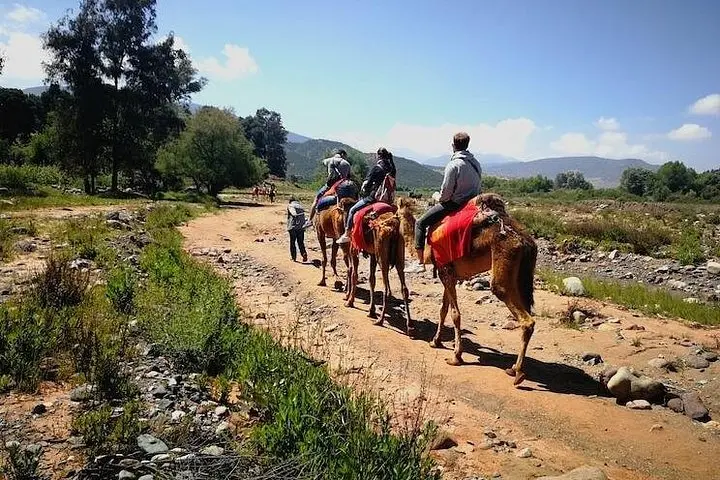
Practical notes: plan for a full nine‑hour day with hotel pickup from Marrakech, bring cash for small purchases and the optional camel ride, and wear sturdy shoes for village tracks. If you want quieter moments, ask to linger at the Ait Mizan overlook or a river bend; the valley rewards those who move slowly and look up.
Most departures include hotel pickup in Marrakech and return to the same area at the end of the day.
Walks are short to moderate on uneven village tracks and to viewpoint areas; no technical climbing is required.
Yes — a Berber family‑style lunch typically features tagine, couscous and mint tea; dietary requests can usually be accommodated if noted ahead.
Children can join but infants should sit on laps; the operator does not recommend the trip for pregnant travelers due to the duration and altitude changes.
Toubkal life trekking operates guided outdoor trips and adventures with an emphasis on safety, stewardship, and memorable experiences.
You step out of Marrakech’s morning heat into a ribbon of road that climbs, the minibus humming as olive groves and terraced fields slide by. The Atlas air grows cooler; walnut and apple trees reach across the valley like patient hosts. By mid‑morning you’re sipping mint tea in Imlil as the peaks push the sky back, and later the trail threads past waterfalls, irrigated terraces, and small stone villages where children wave from rooftop pens.
You step out of Marrakech’s morning heat into a ribbon of road that climbs, the minibus humming as olive groves and terraced fields slide by. The Atlas air grows cooler; walnut and apple trees reach across the valley like patient hosts. By mid‑morning you’re sipping mint tea in Imlil as the peaks push the sky back, and later the trail threads past waterfalls, irrigated terraces, and small stone villages where children wave from rooftop pens.
The High Atlas is both recent and ancient — geologically young mountains carved by uplift and erosion, and culturally old, home to Amazigh (Berber) communities who have farmed these slopes for centuries. Towns like Tahanaout and Asni still host weekly souks where local produce, argan cooperatives and handcrafted wool tell a living history of mountain life.
Expect mixed terrain: paved and gravel valley roads, short village tracks and some uneven footpaths to viewpoints and waterfalls. The altitude here ranges around 1,700–2,000 meters near Imlil and adjacent hamlets; weather shifts quickly, so layers help. Meals are straightforward and flavorful — shared tagine or couscous at a family home offers a direct look at local hospitality.
Practical notes: plan for a full nine‑hour day with hotel pickup from Marrakech, bring cash for small purchases and the optional camel ride, and wear sturdy shoes for village tracks. If you want quieter moments, ask to linger at the Ait Mizan overlook or a river bend; the valley rewards those who move slowly and look up.