THE ADVENTURE COLLECTIVE® · Independent discovery and booking for outdoor travel

Escape Marrakech for a full-day loop into the High Atlas: gentle village walks in Imlil, a family lunch in a traditional house, a waterfall stroll and a camel ride across the rocky plateau. Practical, scenic, and rich with Berber culture.
Escape Marrakech for a full-day loop into the High Atlas: gentle village walks in Imlil, a family lunch in a traditional house, a waterfall stroll and a camel ride across the rocky plateau. Practical, scenic, and rich with Berber culture.
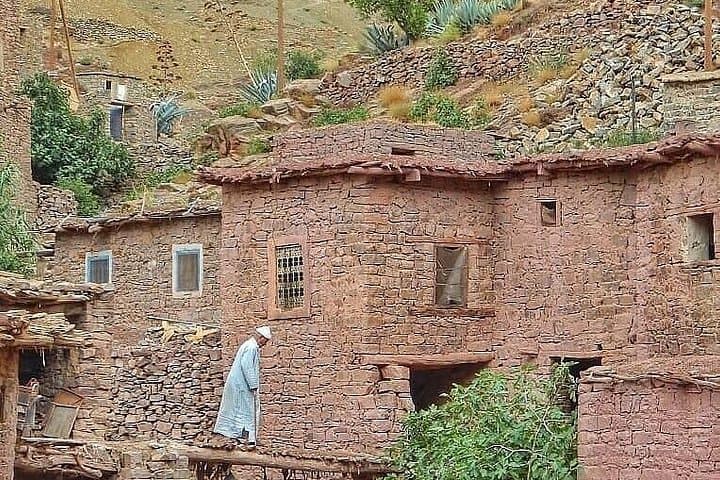
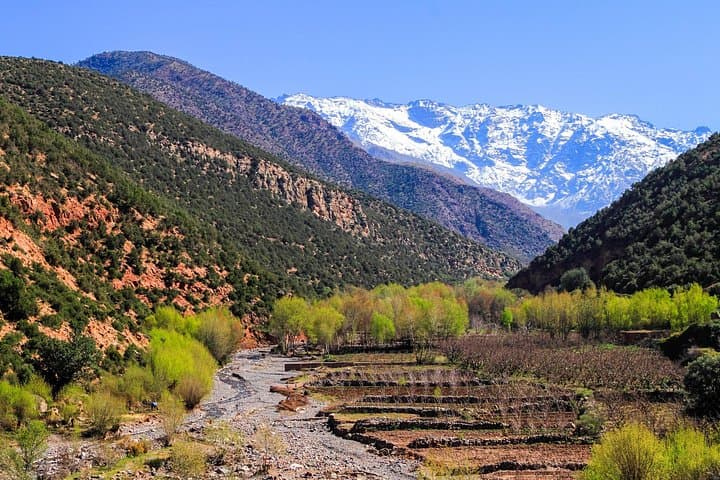
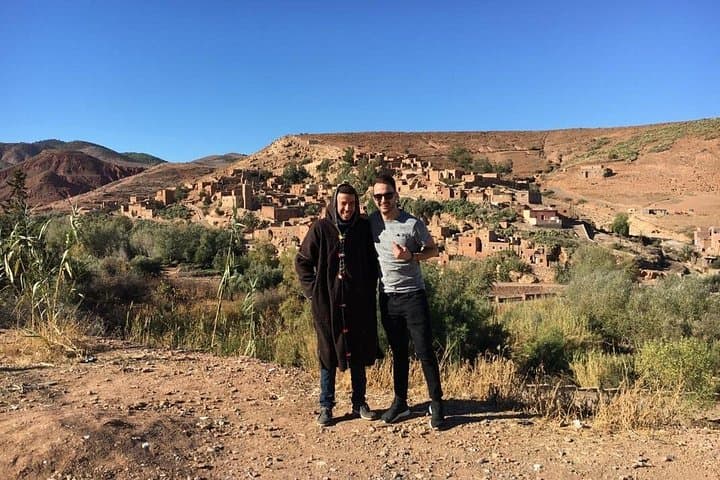
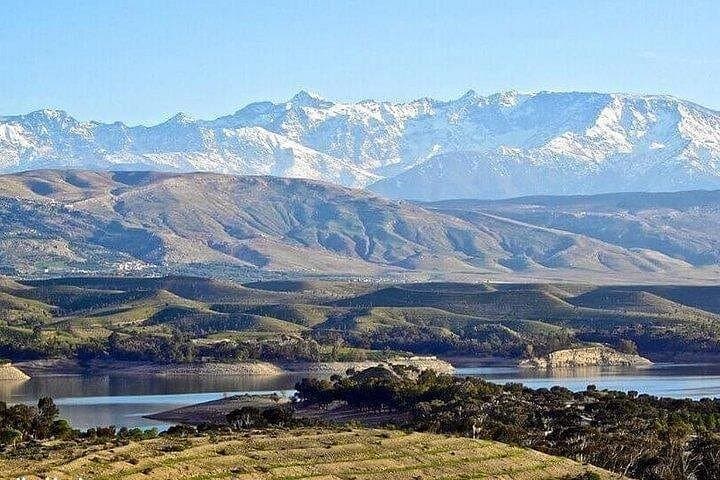
The road out of Marrakech climbs and curls until the city’s heat loosens and the High Atlas appears—rock ribs and folded ridgelines rising like a challenge on the horizon. By midmorning the air grows cooler; terraced fields and flat-roofed stone houses punctuate the valleys as you approach Imlil and the higher plateaus. A waterfall threads the valley, daring you to follow its voice up toward the villages.
Verified experiences and guided adventures in the surrounding area.
Operated by Marrakesh Day Tour · Imlil, Marrakech-Safi
The road out of Marrakech climbs and curls until the city’s heat loosens and the High Atlas appears—rock ribs and folded ridgelines rising like a challenge on the horizon. By midmorning the air grows cooler; terraced fields and flat-roofed stone houses punctuate the valleys as you approach Imlil and the higher plateaus. A waterfall threads the valley, daring you to follow its voice up toward the villages.
These valleys carry millennia of human and geological stories. The High Atlas are young mountains in geological terms—uplifted by the collision of the African and Eurasian plates—and their steep slopes channel runoff to the lowlands. The Berber (Amazigh) communities here have farmed terraces and grazed flocks for generations; you’ll pass an old weekly souk, a women’s cooperative where argan and woven goods are made, and views of Toubkal (4,167 m) standing distant and commanding.
Practicalities shape the day: the tour is a full-day loop (roughly 6–8 hours including drives and stops) with short, gentle walks through village lanes and a moderate stroll to a remote waterfall. Expect uneven dirt paths, some loose stone, and several photo stops. Pack sun protection, layered clothing for cooler afternoon winds, and at least 1–2 liters of water. Start early to avoid midday heat and give yourself time for a family-cooked lunch in a Berber house. Cameras and cash for small purchases are useful; be respectful of private homes and ask before photographing people. Whether you came for landscape, culture, or a camel ride across the Agafay-like plateau, the day delivers a compact, accessible slice of Atlas life.
The drive to Imlil and the High Atlas stops typically takes 1–1.5 hours each way depending on traffic and exact route, included in the full 6–8 hour tour.
Hikes on this tour are generally gentle village walks and short trails to a waterfall; they are suitable for most fitness levels but require stable footwear for uneven terrain.
Lunch is prepared in a local family's house and tea/coffee and bottled water are included; consider bringing extra water if you plan to be especially active.
On clear days the route includes viewpoints where you can photograph Toubkal (4,167 m), Morocco and North Africa’s highest peak, visible from Imlil and nearby summits.
Marrakesh Day Tour operates guided outdoor trips and adventures with an emphasis on safety, stewardship, and memorable experiences.
The road out of Marrakech climbs and curls until the city’s heat loosens and the High Atlas appears—rock ribs and folded ridgelines rising like a challenge on the horizon. By midmorning the air grows cooler; terraced fields and flat-roofed stone houses punctuate the valleys as you approach Imlil and the higher plateaus. A waterfall threads the valley, daring you to follow its voice up toward the villages.
The road out of Marrakech climbs and curls until the city’s heat loosens and the High Atlas appears—rock ribs and folded ridgelines rising like a challenge on the horizon. By midmorning the air grows cooler; terraced fields and flat-roofed stone houses punctuate the valleys as you approach Imlil and the higher plateaus. A waterfall threads the valley, daring you to follow its voice up toward the villages.
These valleys carry millennia of human and geological stories. The High Atlas are young mountains in geological terms—uplifted by the collision of the African and Eurasian plates—and their steep slopes channel runoff to the lowlands. The Berber (Amazigh) communities here have farmed terraces and grazed flocks for generations; you’ll pass an old weekly souk, a women’s cooperative where argan and woven goods are made, and views of Toubkal (4,167 m) standing distant and commanding.
Practicalities shape the day: the tour is a full-day loop (roughly 6–8 hours including drives and stops) with short, gentle walks through village lanes and a moderate stroll to a remote waterfall. Expect uneven dirt paths, some loose stone, and several photo stops. Pack sun protection, layered clothing for cooler afternoon winds, and at least 1–2 liters of water. Start early to avoid midday heat and give yourself time for a family-cooked lunch in a Berber house. Cameras and cash for small purchases are useful; be respectful of private homes and ask before photographing people. Whether you came for landscape, culture, or a camel ride across the Agafay-like plateau, the day delivers a compact, accessible slice of Atlas life.