THE ADVENTURE COLLECTIVE® · Independent discovery and booking for outdoor travel

Leave Marrakech for a compact mountain day: mint tea in Imlil, a guided walk through Berber villages and forests, and a lunch with a local family before waterfall views and a return drive. This one-day High Atlas tour blends cultural insight with 2–3 hours of manageable mountain walking.
Leave Marrakech for a compact mountain day: mint tea in Imlil, a guided walk through Berber villages and forests, and a lunch with a local family before waterfall views and a return drive. This one-day High Atlas tour blends cultural insight with 2–3 hours of manageable mountain walking.
You step out of Marrakech’s orange-stone heat and, within an hour, the road climbs into the High Atlas where wind-carved ridges press skyward and village roofs dot the slopes like cairns. Mint tea on a sun-warmed rooftop in Imlil introduces the rhythm of the day: short climbs, stone tracks, and sudden views where valleys fall away toward distant snow-capped peaks.
Verified experiences and guided adventures in the surrounding area.
Operated by Atlas Mountain Trekking - Day Tours · Imlil, Marrakesh-Safi
You step out of Marrakech’s orange-stone heat and, within an hour, the road climbs into the High Atlas where wind-carved ridges press skyward and village roofs dot the slopes like cairns. Mint tea on a sun-warmed rooftop in Imlil introduces the rhythm of the day: short climbs, stone tracks, and sudden views where valleys fall away toward distant snow-capped peaks.
These mountains are the living edge of Morocco’s geology — folded Paleozoic limestone and volcanic intrusions gouged by seasonal runoff. The region is home to Amazigh (Berber) communities whose terraced fields and argan cooperatives reflect centuries of mountain agriculture; you’ll often pass co-ops where local women press oil and explain traditional crafts.
The walk itself is practical and immediate. Expect 2–3 hours of on-and-off trail walking, roughly 300–450 meters of cumulative elevation change as you move between the Imlil, Mizane and Tamatert valleys, and short steeper pitches on rocky tracks. Trails range from packed earth to loose scree near passes, with a final descent to a series of cool waterfalls that seem to dare you closer. Guides point out landmarks, village histories, and local plant uses while you pause for lunch in a family home.
Plan for sturdy shoes, layered clothing for mountain microclimates, and at least 1–1.5 liters of water. Morning departures avoid midday heat and late-afternoon traffic back to Marrakech. The trip balances cultural exchange with manageable mountain walking — an accessible, atmospheric slice of the High Atlas.
Expect about 2–3 hours of guided walking broken into several short climbs and descents between villages and viewpoints.
The walk is described as suitable for most fitness levels, but children and older adults should be comfortable on uneven paths and able to manage short uphill sections.
Bring some Moroccan dirham for purchases at cooperatives, small market stalls, and tips; remote villages may be cash-only.
Lunch with a Berber family is included in the itinerary; if you have dietary restrictions note them when booking so hosts can accommodate when possible.
Atlas Mountain Trekking - Day Tours operates guided outdoor trips and adventures with an emphasis on safety, stewardship, and memorable experiences.
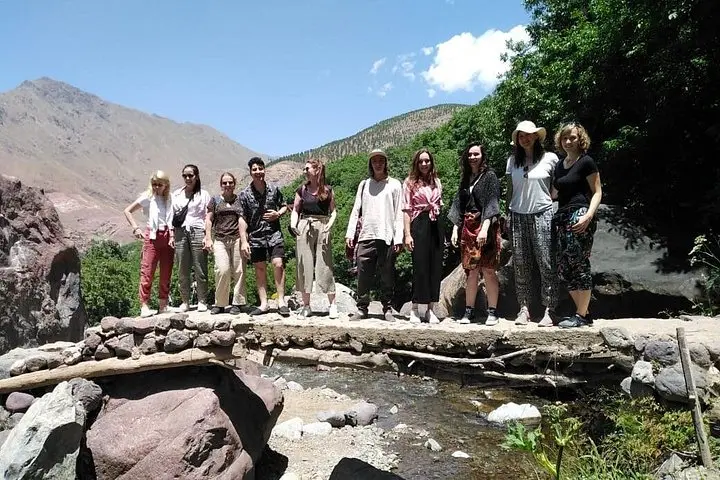
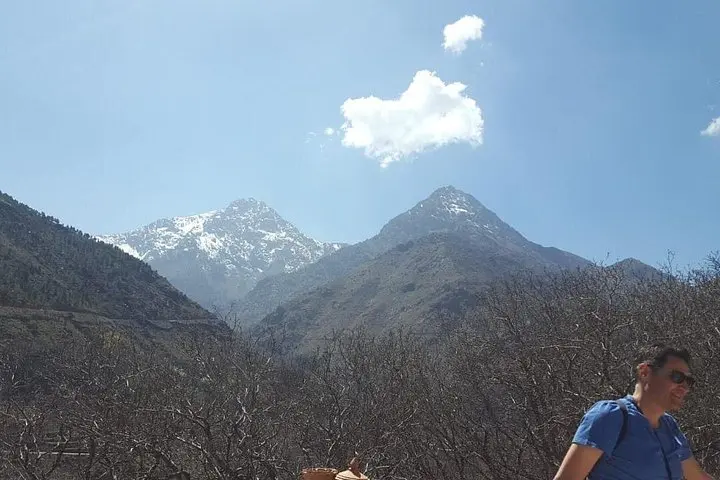
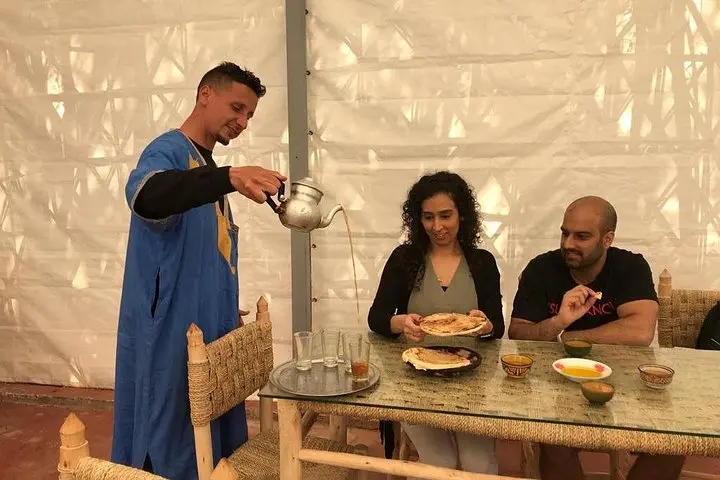
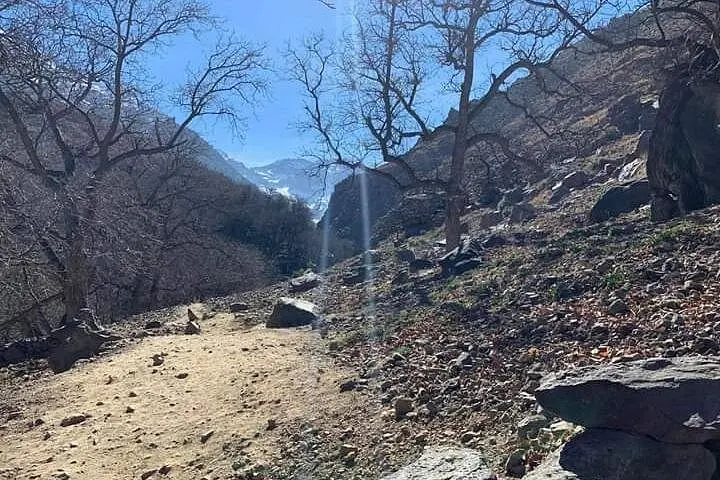
You step out of Marrakech’s orange-stone heat and, within an hour, the road climbs into the High Atlas where wind-carved ridges press skyward and village roofs dot the slopes like cairns. Mint tea on a sun-warmed rooftop in Imlil introduces the rhythm of the day: short climbs, stone tracks, and sudden views where valleys fall away toward distant snow-capped peaks.
You step out of Marrakech’s orange-stone heat and, within an hour, the road climbs into the High Atlas where wind-carved ridges press skyward and village roofs dot the slopes like cairns. Mint tea on a sun-warmed rooftop in Imlil introduces the rhythm of the day: short climbs, stone tracks, and sudden views where valleys fall away toward distant snow-capped peaks.
These mountains are the living edge of Morocco’s geology — folded Paleozoic limestone and volcanic intrusions gouged by seasonal runoff. The region is home to Amazigh (Berber) communities whose terraced fields and argan cooperatives reflect centuries of mountain agriculture; you’ll often pass co-ops where local women press oil and explain traditional crafts.
The walk itself is practical and immediate. Expect 2–3 hours of on-and-off trail walking, roughly 300–450 meters of cumulative elevation change as you move between the Imlil, Mizane and Tamatert valleys, and short steeper pitches on rocky tracks. Trails range from packed earth to loose scree near passes, with a final descent to a series of cool waterfalls that seem to dare you closer. Guides point out landmarks, village histories, and local plant uses while you pause for lunch in a family home.
Plan for sturdy shoes, layered clothing for mountain microclimates, and at least 1–1.5 liters of water. Morning departures avoid midday heat and late-afternoon traffic back to Marrakech. The trip balances cultural exchange with manageable mountain walking — an accessible, atmospheric slice of the High Atlas.