THE ADVENTURE COLLECTIVE® · Independent discovery and booking for outdoor travel

Escape Marrakech for cooler air and mountain waterfalls on a full-day trip to Ourika Valley and Setti Fatma. Expect riverside hikes, terraced villages, a possible Berber lunch and photo stops across several High Atlas sub-valleys.
Escape Marrakech for cooler air and mountain waterfalls on a full-day trip to Ourika Valley and Setti Fatma. Expect riverside hikes, terraced villages, a possible Berber lunch and photo stops across several High Atlas sub-valleys.
You pull away from Marrakech as the city’s spice-scented heat gives way to cooler mountain air; the road climbs, olive groves thin, and the High Atlas closes in like a shifting wall of rock. Ourika Valley opens with a river that seems to dare you forward, rushing through terraces and small villages until it reaches Setti Fatma’s clustered houses and the stair-stepped route to the waterfalls.
Verified experiences and guided adventures in the surrounding area.
Operated by Get Travel · Setti Fatma, Marrakech-Safi
You pull away from Marrakech as the city’s spice-scented heat gives way to cooler mountain air; the road climbs, olive groves thin, and the High Atlas closes in like a shifting wall of rock. Ourika Valley opens with a river that seems to dare you forward, rushing through terraces and small villages until it reaches Setti Fatma’s clustered houses and the stair-stepped route to the waterfalls.
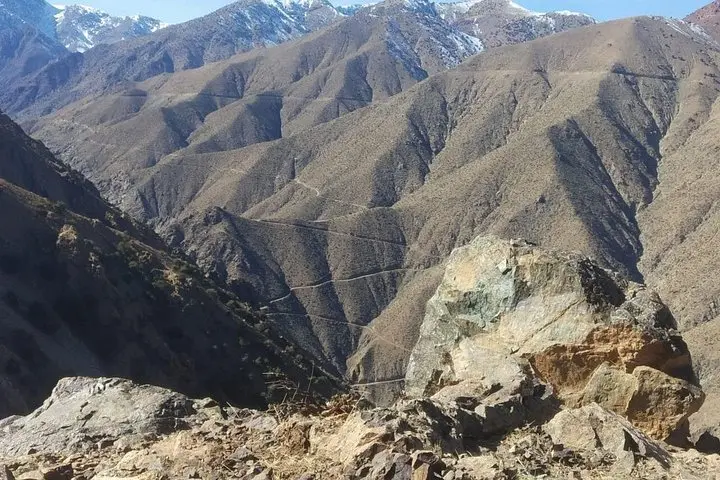
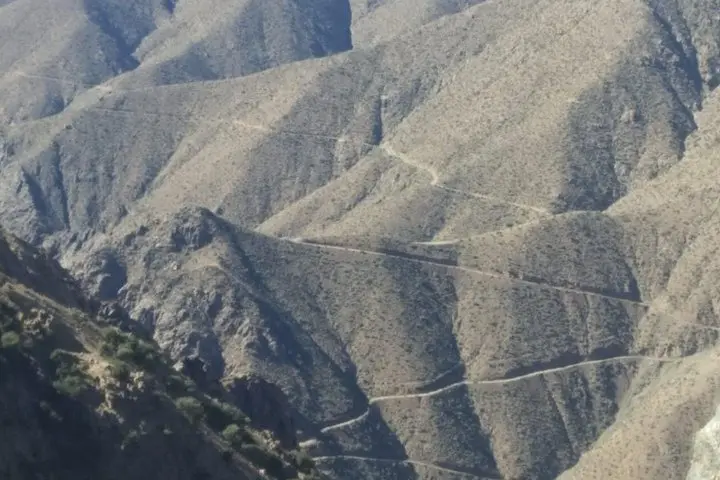
Geology here is blunt and readable—folded schist and granite carved by winter runoff, creating steep valleys and corrugated ridgelines. The valley has long been home to Amazigh (Berber) communities who farm terraces and run small guest meals; Asni’s Saturday market still gathers shepherds and growers in traditional dress. Expect to pass through several sub-valleys—Oukaimden, Ait Fares and Asni—each offering different light, perspective and a chance to meet local families.
Practically, this is a full-day outing (roughly 6–7 hours door-to-door from Marrakech). The waterfall hike from Setti Fatma is rocky, with stone steps and stream crossings—1–3 hours on foot depending on pace, minimal elevation gain but uneven terrain. Wear good shoes, carry water and cash for tea or a simple lunch at a Berber household, and consider a local guide for deeper cultural context and safer footing on slick rocks.
Timing matters: mornings offer softer light and fewer people; late afternoons bring cooler air returning toward Marrakech. Respect local customs, pack out waste, and leave the river lanes clear—this landscape endures when visitors treat it with care.
Travel time is typically 45–90 minutes each way depending on traffic and exact pickup point in Marrakech.
The main trail has uneven stone steps and stream crossings; it’s moderate—suitable for most walkers but slippery after rain.
Meals are not always guaranteed—some itineraries include a visit or lunch with a Berber family but confirm with the operator before booking.
Basic facilities and small cafés with toilets exist in Setti Fatma; expect limited amenities once you leave the main village.
Get Travel operates guided outdoor trips and adventures with an emphasis on safety, stewardship, and memorable experiences.
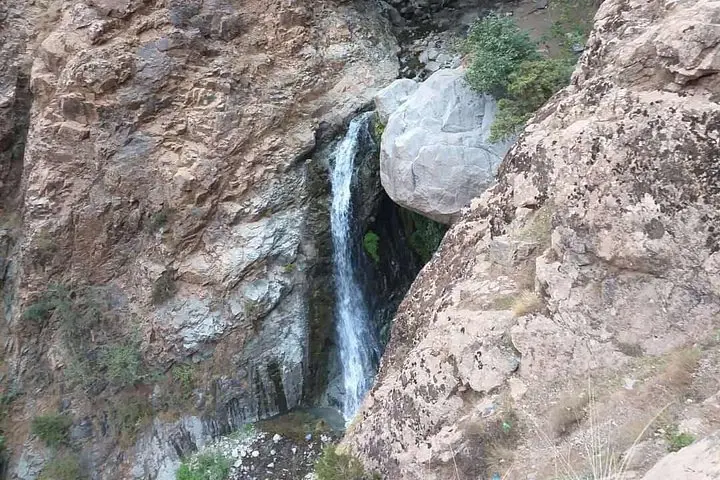
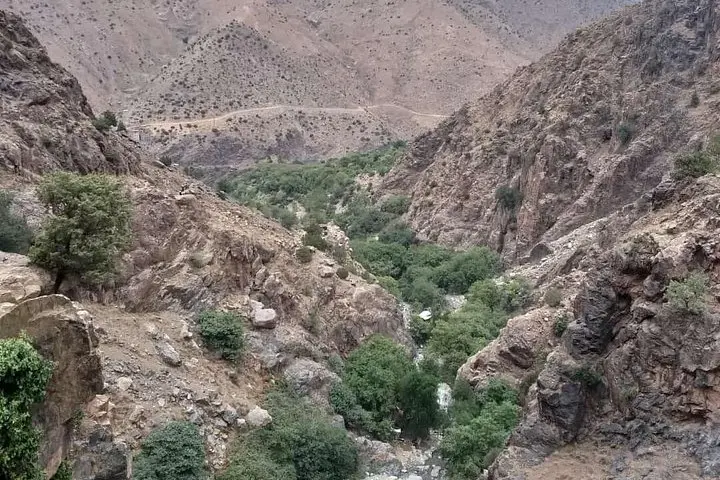
You pull away from Marrakech as the city’s spice-scented heat gives way to cooler mountain air; the road climbs, olive groves thin, and the High Atlas closes in like a shifting wall of rock. Ourika Valley opens with a river that seems to dare you forward, rushing through terraces and small villages until it reaches Setti Fatma’s clustered houses and the stair-stepped route to the waterfalls.
You pull away from Marrakech as the city’s spice-scented heat gives way to cooler mountain air; the road climbs, olive groves thin, and the High Atlas closes in like a shifting wall of rock. Ourika Valley opens with a river that seems to dare you forward, rushing through terraces and small villages until it reaches Setti Fatma’s clustered houses and the stair-stepped route to the waterfalls.
Geology here is blunt and readable—folded schist and granite carved by winter runoff, creating steep valleys and corrugated ridgelines. The valley has long been home to Amazigh (Berber) communities who farm terraces and run small guest meals; Asni’s Saturday market still gathers shepherds and growers in traditional dress. Expect to pass through several sub-valleys—Oukaimden, Ait Fares and Asni—each offering different light, perspective and a chance to meet local families.
Practically, this is a full-day outing (roughly 6–7 hours door-to-door from Marrakech). The waterfall hike from Setti Fatma is rocky, with stone steps and stream crossings—1–3 hours on foot depending on pace, minimal elevation gain but uneven terrain. Wear good shoes, carry water and cash for tea or a simple lunch at a Berber household, and consider a local guide for deeper cultural context and safer footing on slick rocks.
Timing matters: mornings offer softer light and fewer people; late afternoons bring cooler air returning toward Marrakech. Respect local customs, pack out waste, and leave the river lanes clear—this landscape endures when visitors treat it with care.