THE ADVENTURE COLLECTIVE® · Independent discovery and booking for outdoor travel

Spend a day in the High Atlas walking quiet village trails, tasting argan oil at a women’s cooperative, and sharing a Berber rooftop lunch in Imlil. This accessible day trip blends easy hiking, cultural encounters, and market visits with convenient hotel pickup from Marrakech.
Spend a day in the High Atlas walking quiet village trails, tasting argan oil at a women’s cooperative, and sharing a Berber rooftop lunch in Imlil. This accessible day trip blends easy hiking, cultural encounters, and market visits with convenient hotel pickup from Marrakech.
A crisp morning lifts off Marrakech and the road climbs into the High Atlas, where terraces sharpen into ridgelines and the air smells of dust and wild thyme.
Verified experiences and guided adventures in the surrounding area.
Operated by Atlas Dream · Imlil, Marrakech-Safi
A crisp morning lifts off Marrakech and the road climbs into the High Atlas, where terraces sharpen into ridgelines and the air smells of dust and wild thyme.
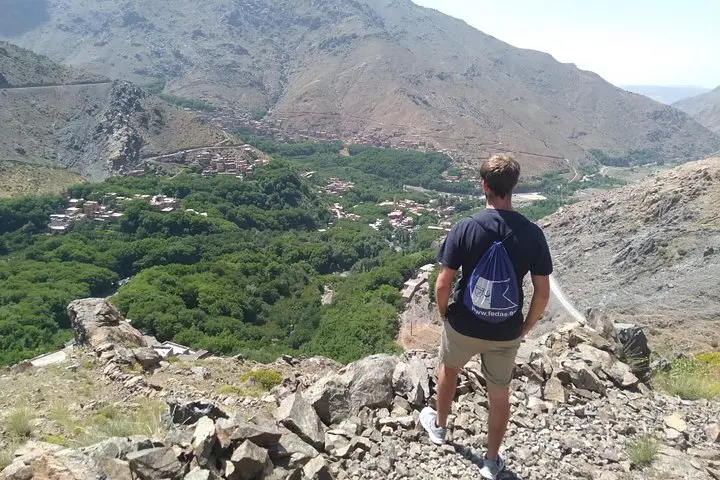
You arrive first at a small argan cooperative—women gathered around stone presses, explaining how the nut becomes oil while you sample it on warm bread. The drive continues through the Tahanout and Asni valleys, a patchwork of walnut and apple orchards that give way to the narrow ranching villages of Imlil.
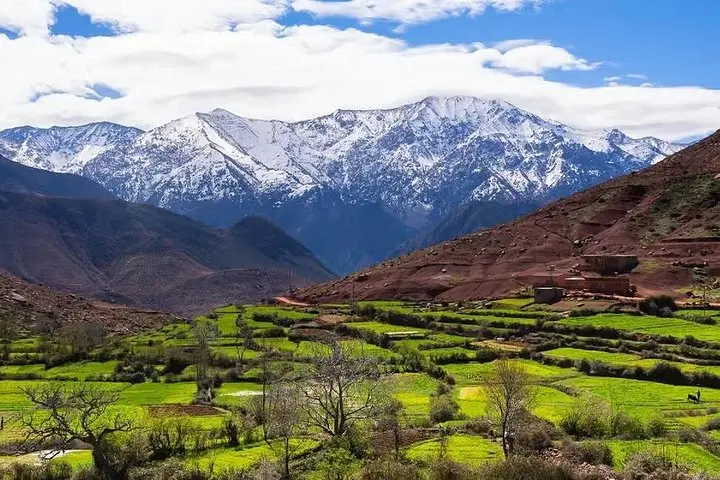
Geology here is blunt: folded limestone and volcanic outcrops pushed up by the Rif-Atlas collision, carved by seasonal winter snows into steep gullies and ribboned streams. The villages are Berber in language and craft; terraces and mud-brick homes reflect centuries of adapting to a sharp mountain climate. Weekly souks nearby still serve as social calendars—goods, gossip and goats change hands on market days.
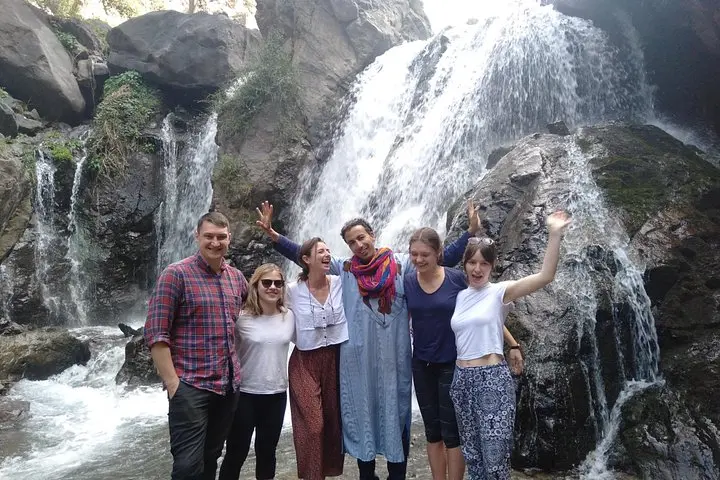
On the walk to Imlil’s waterfalls expect 1–2 hours of easy to moderate trails—rocky tracks, narrow footbridges, orchard shade. A rooftop lunch in a local home is straightforward and intimate: tagine, flatbread, and a tea ritual that doubles as a lesson in hospitality.
Practical notes: comfortable walking shoes, sun protection and water make the walk enjoyable; transport options are available for shorter legs. The trip is best scheduled in spring or autumn for mild temperatures and full watercourses. Bring local-currency tips for guides and cooperative purchases—your presence supports small-scale income and cultural exchange.
Return to Marrakech in the late afternoon with photos, new tastes, and a clearer sense of life above the city.
Most departures include hotel pickup in Marrakech; confirm your pickup point when booking and have the hotel address ready.
Yes—transport is available for guests who prefer not to walk; inform the guide at the start so plans can be adjusted.
Hosts can accommodate vegetarian requests if notified in advance; include dietary notes when booking.
Markets run on different days in nearby villages—this tour lists markets on Monday, Tuesday, Friday, Saturday and Sunday depending on local schedules.
Atlas Dream operates guided outdoor trips and adventures with an emphasis on safety, stewardship, and memorable experiences.
A crisp morning lifts off Marrakech and the road climbs into the High Atlas, where terraces sharpen into ridgelines and the air smells of dust and wild thyme.
A crisp morning lifts off Marrakech and the road climbs into the High Atlas, where terraces sharpen into ridgelines and the air smells of dust and wild thyme.
You arrive first at a small argan cooperative—women gathered around stone presses, explaining how the nut becomes oil while you sample it on warm bread. The drive continues through the Tahanout and Asni valleys, a patchwork of walnut and apple orchards that give way to the narrow ranching villages of Imlil.
Geology here is blunt: folded limestone and volcanic outcrops pushed up by the Rif-Atlas collision, carved by seasonal winter snows into steep gullies and ribboned streams. The villages are Berber in language and craft; terraces and mud-brick homes reflect centuries of adapting to a sharp mountain climate. Weekly souks nearby still serve as social calendars—goods, gossip and goats change hands on market days.
On the walk to Imlil’s waterfalls expect 1–2 hours of easy to moderate trails—rocky tracks, narrow footbridges, orchard shade. A rooftop lunch in a local home is straightforward and intimate: tagine, flatbread, and a tea ritual that doubles as a lesson in hospitality.
Practical notes: comfortable walking shoes, sun protection and water make the walk enjoyable; transport options are available for shorter legs. The trip is best scheduled in spring or autumn for mild temperatures and full watercourses. Bring local-currency tips for guides and cooperative purchases—your presence supports small-scale income and cultural exchange.
Return to Marrakech in the late afternoon with photos, new tastes, and a clearer sense of life above the city.