THE ADVENTURE COLLECTIVE® · Independent discovery and booking for outdoor travel

Walk the High Line, taste Chelsea Market’s best bites, and uncover Meatpacking District stories with a local guide. This three-hour small-group tour blends urban history, architecture, and curated snacks into an efficient Manhattan morning.
Walk the High Line, taste Chelsea Market’s best bites, and uncover Meatpacking District stories with a local guide. This three-hour small-group tour blends urban history, architecture, and curated snacks into an efficient Manhattan morning.
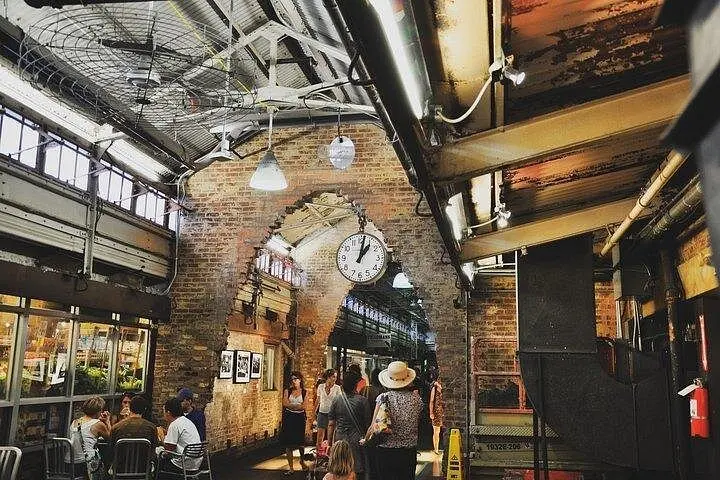
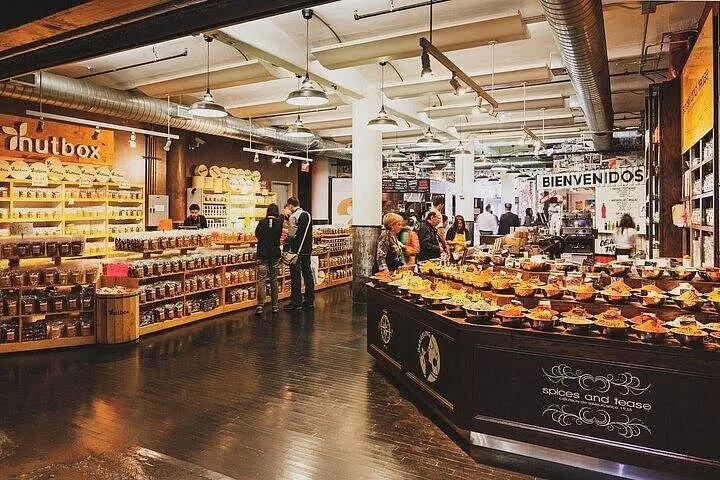
A morning on the High Line begins with the city at your feet and the old freight rail underfoot, sunlight warming iron rails that now support a narrow park. Your guide steers the small group through a pattern of plantings and repurposed infrastructure, pausing at a bench where a slice of the Hudson River and the glint of new glass at Hudson Yards frame the skyline. The smell of frying doughnuts and toasted coffee follows as you descend toward Chelsea Market, the hulking former Nabisco factory where industrial brick gives way to narrow food stalls and vintage shops.
Verified experiences and guided adventures in the surrounding area.
Operated by Friendly Local Guides · New York, New York
A morning on the High Line begins with the city at your feet and the old freight rail underfoot, sunlight warming iron rails that now support a narrow park. Your guide steers the small group through a pattern of plantings and repurposed infrastructure, pausing at a bench where a slice of the Hudson River and the glint of new glass at Hudson Yards frame the skyline. The smell of frying doughnuts and toasted coffee follows as you descend toward Chelsea Market, the hulking former Nabisco factory where industrial brick gives way to narrow food stalls and vintage shops.
This three-hour walk stitches together layers of Manhattan history. The elevated rail line that became the High Line carried goods for decades before falling silent in the 1980s; its reimagining as public park in the 2000s sparked the neighborhood’s transformation. The Meatpacking District, once warehouses and slaughterhouses, resisted redevelopment longer than neighboring blocks—its grit is still visible in cobbled alleys and converted brick facades. Chelsea Market sits in what was the National Biscuit Company building, now a culinary hive where old factory bones meet artisan vendors.
Geology and topography here are urban but instructive: landfill and Manhattan schist underlie streets that rise only modestly, so the walk is mostly flat with short flights of stairs when you leave the High Line. Hudson Yards, a recent insertion, introduces a different aesthetic—steel, glass, and the Vessel’s honeycomb geometry, a modern counterpoint to the 19th-century masonry of the market.
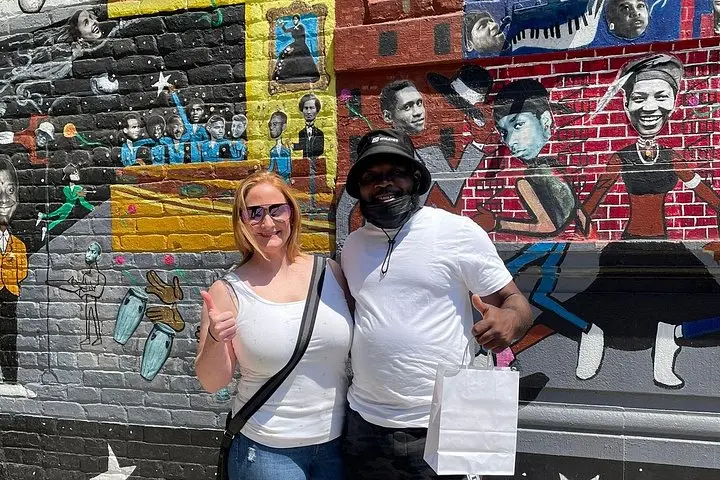
Local culture shows itself in small things: hand-lettered shop signs, a vendor's secret biscuit recipe, a guide's story about how the neighborhood housed immigrant workers in the 1800s, and the evolving art scenes spilling off the High Line. The tour moves at a steady, accessible pace and includes curated tastings—empanadas, biscuits with jam, a Sicilian-style slice, and vegan options—so come hungry.
Practicalities: expect about 2–3 miles total on paved paths and city sidewalks, minimal elevation gain, and a few stairs when visiting viewpoints. Wear comfortable walking shoes and bring a reusable water bottle; the tour is wheelchair and stroller accessible on most stretches but check with the operator about specific ramp access. Public transit drops you within a short walk; the meeting point is in front of Buddakan Restaurant. The small-group format means fewer stops and more stories; confirm dietary restrictions ahead of time. Cancelations qualify for a full refund up to 24 hours before the start time.
Meet your guide in front of Buddakan Restaurant; the guide will be holding identification and the booking confirmation.
Most of the route, including large sections of the High Line and Chelsea Market, is accessible, but contact the operator ahead of time to confirm access for specific stops.
Yes—several tastings are included, such as biscuits, empanadas, and a slice of pizza; notify the operator about allergies before the tour.
Expect roughly 2–3 miles of walking on paved surfaces with occasional short staircases; the pace is steady but manageable.
Tipping is customary for private guides; 10–20% of the tour cost is appropriate if you enjoyed the experience.
Full refunds are available if you cancel at least 24 hours before the scheduled start time; no refund within 24 hours.
Friendly Local Guides operates guided outdoor trips and adventures with an emphasis on safety, stewardship, and memorable experiences.
A morning on the High Line begins with the city at your feet and the old freight rail underfoot, sunlight warming iron rails that now support a narrow park. Your guide steers the small group through a pattern of plantings and repurposed infrastructure, pausing at a bench where a slice of the Hudson River and the glint of new glass at Hudson Yards frame the skyline. The smell of frying doughnuts and toasted coffee follows as you descend toward Chelsea Market, the hulking former Nabisco factory where industrial brick gives way to narrow food stalls and vintage shops.
A morning on the High Line begins with the city at your feet and the old freight rail underfoot, sunlight warming iron rails that now support a narrow park. Your guide steers the small group through a pattern of plantings and repurposed infrastructure, pausing at a bench where a slice of the Hudson River and the glint of new glass at Hudson Yards frame the skyline. The smell of frying doughnuts and toasted coffee follows as you descend toward Chelsea Market, the hulking former Nabisco factory where industrial brick gives way to narrow food stalls and vintage shops.
This three-hour walk stitches together layers of Manhattan history. The elevated rail line that became the High Line carried goods for decades before falling silent in the 1980s; its reimagining as public park in the 2000s sparked the neighborhood’s transformation. The Meatpacking District, once warehouses and slaughterhouses, resisted redevelopment longer than neighboring blocks—its grit is still visible in cobbled alleys and converted brick facades. Chelsea Market sits in what was the National Biscuit Company building, now a culinary hive where old factory bones meet artisan vendors.
Geology and topography here are urban but instructive: landfill and Manhattan schist underlie streets that rise only modestly, so the walk is mostly flat with short flights of stairs when you leave the High Line. Hudson Yards, a recent insertion, introduces a different aesthetic—steel, glass, and the Vessel’s honeycomb geometry, a modern counterpoint to the 19th-century masonry of the market.
Local culture shows itself in small things: hand-lettered shop signs, a vendor's secret biscuit recipe, a guide's story about how the neighborhood housed immigrant workers in the 1800s, and the evolving art scenes spilling off the High Line. The tour moves at a steady, accessible pace and includes curated tastings—empanadas, biscuits with jam, a Sicilian-style slice, and vegan options—so come hungry.
Practicalities: expect about 2–3 miles total on paved paths and city sidewalks, minimal elevation gain, and a few stairs when visiting viewpoints. Wear comfortable walking shoes and bring a reusable water bottle; the tour is wheelchair and stroller accessible on most stretches but check with the operator about specific ramp access. Public transit drops you within a short walk; the meeting point is in front of Buddakan Restaurant. The small-group format means fewer stops and more stories; confirm dietary restrictions ahead of time. Cancelations qualify for a full refund up to 24 hours before the start time.