THE ADVENTURE COLLECTIVE® · Independent discovery and booking for outdoor travel

Skip the crowded decks and ride a high-speed zodiac from Kewalo Basin for front-row whale encounters. This small-group cruise covers more ocean, increases sighting opportunities and pairs adrenaline with marine interpretation.
Skip the crowded decks and ride a high-speed zodiac from Kewalo Basin for front-row whale encounters. This small-group cruise covers more ocean, increases sighting opportunities and pairs adrenaline with marine interpretation.
The air off Kewalo Basin tastes of salt and petrol as the zodiac slips from Pier A and punches through the harbor’s calm. Diamond Head shrinks into the distance and the Waikiki skyline leans back; the ocean takes over with an uncomplicated single-mindedness. On this small-group, high-speed cruise, the trip is as much about chasing motion as it is about the whales themselves — the boat moves with intent, cutting across swell lines to where the water is telling the story.
Verified experiences and guided adventures in the surrounding area.
Operated by Diamond Head Cruises & Adventures · Honolulu, Hawaii
The air off Kewalo Basin tastes of salt and petrol as the zodiac slips from Pier A and punches through the harbor’s calm. Diamond Head shrinks into the distance and the Waikiki skyline leans back; the ocean takes over with an uncomplicated single-mindedness. On this small-group, high-speed cruise, the trip is as much about chasing motion as it is about the whales themselves — the boat moves with intent, cutting across swell lines to where the water is telling the story.
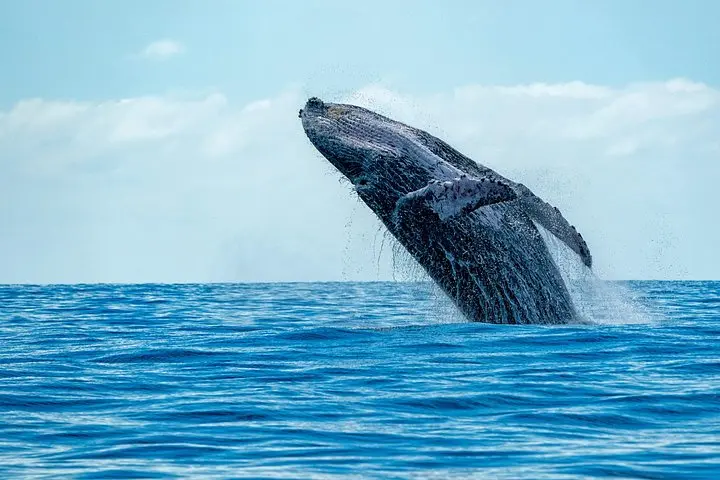
Humpback whales arrive annually to Hawai‘i’s warm, shallow waters to give birth and breed, a migration that pulls them here from Alaskan feeding grounds. That seasonal arc, December to April, has made O‘ahu one of the best places in the world to witness breaches, tail slaps and spy-hops. Kewalo Basin, a working harbor built to serve both local fishermen and recreational vessels, offers a practical launching point: sheltered parking, public restrooms and quick access to open ocean.
Geologically, the sea off Waikiki is a shelf of volcanic outwash and coral-soaked reef; the whales prefer the deep lanes a short run offshore where their massive bodies can surface without catching on shallows. Culturally, viewing these animals in Hawai‘i carries a quiet reverence: many guides will weave natural history and Hawaiian perspectives into the narrative, explaining how the arrival of kohola (humpback whales) connects to seasonal patterns and local fisheries.
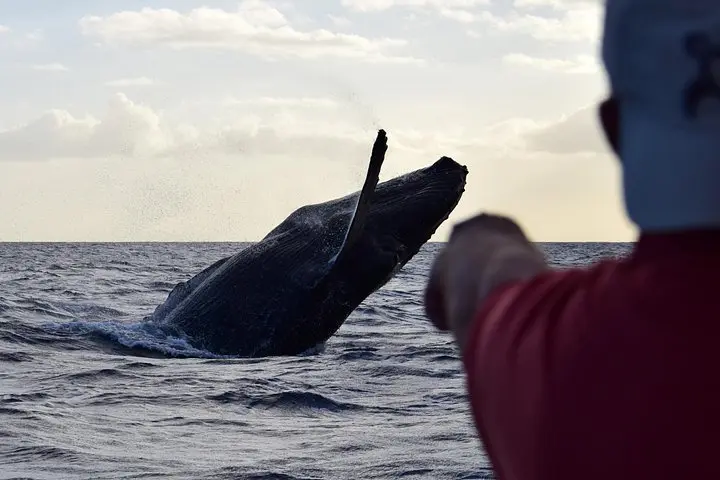
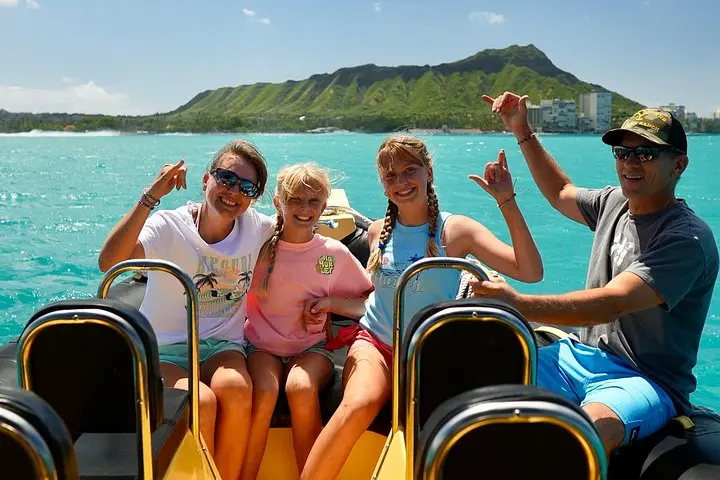
The experience itself is kinetic. Guides use speed and situational awareness to reach sightings faster than larger boats; that means more time watching and less time waiting. Encounters are unpredictable — a fluke flick, a maternal blow, the slow, rolling presence of a whale’s back — and the small-group format keeps the feeling intimate. Snacks and drinks are included, and life jackets are provided; operators follow NOAA viewing guidelines to minimize disturbance.
For practical planning: book during peak months (January–March) and arrive early for smooth seas and better light. Wear layers — ocean spray can cut through clothes — and bring a strap for cameras and a dry bag for phones. If prone to seasickness, take preventative medication well before boarding. The tour runs about 105 minutes from Kewalo Basin’s Pier A; paid parking and public transit options make access straightforward. Cancellation is typically allowed up to 24 hours in advance.
This is not a slow, observational cruise; it’s an active, search-focused outing that rewards those who want proximity and pace. For travelers who prefer a quieter, farther-back vantage, larger catamaran tours remain an alternative, but for the thrill of speed and the chance to be where the action happens, the zodiac from Kewalo Basin delivers a direct, memorable window into winter’s most compelling visitors.
Prime season is December through April with peak sightings January–March; mornings often have calmer seas and better visibility.
The cruise runs about 105 minutes (approximately 1 hour 45 minutes) from Kewalo Basin’s Pier A.
Yes—life jackets are provided for all guests and must be worn if instructed by crew.
Yes; infants must sit on an adult’s lap, and the operator notes the activity is suitable for all fitness levels though motion and rapid movement may be challenging for very young children.
Handheld cameras and phones are fine if secured with a strap; drones are not permitted under U.S. airspace and wildlife regulations over marine mammals.
Tours may be canceled for safety in rough seas or poor visibility; full refunds are typically available with at least 24 hours’ notice.
Diamond Head Cruises & Adventures operates guided outdoor trips and adventures with an emphasis on safety, stewardship, and memorable experiences.
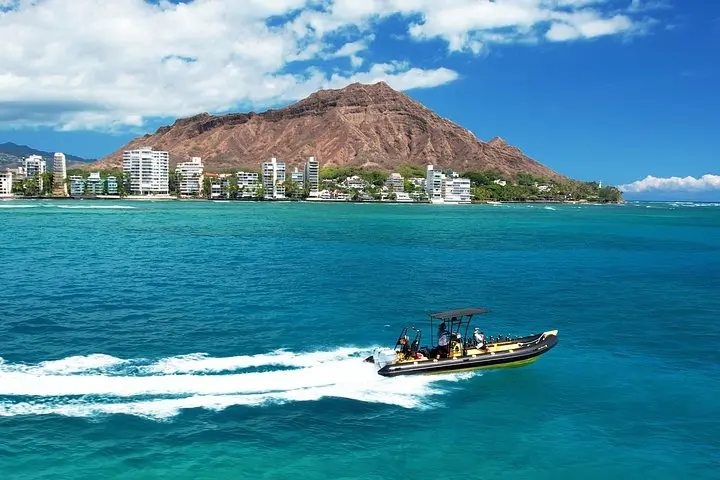
The air off Kewalo Basin tastes of salt and petrol as the zodiac slips from Pier A and punches through the harbor’s calm. Diamond Head shrinks into the distance and the Waikiki skyline leans back; the ocean takes over with an uncomplicated single-mindedness. On this small-group, high-speed cruise, the trip is as much about chasing motion as it is about the whales themselves — the boat moves with intent, cutting across swell lines to where the water is telling the story.
The air off Kewalo Basin tastes of salt and petrol as the zodiac slips from Pier A and punches through the harbor’s calm. Diamond Head shrinks into the distance and the Waikiki skyline leans back; the ocean takes over with an uncomplicated single-mindedness. On this small-group, high-speed cruise, the trip is as much about chasing motion as it is about the whales themselves — the boat moves with intent, cutting across swell lines to where the water is telling the story.
Humpback whales arrive annually to Hawai‘i’s warm, shallow waters to give birth and breed, a migration that pulls them here from Alaskan feeding grounds. That seasonal arc, December to April, has made O‘ahu one of the best places in the world to witness breaches, tail slaps and spy-hops. Kewalo Basin, a working harbor built to serve both local fishermen and recreational vessels, offers a practical launching point: sheltered parking, public restrooms and quick access to open ocean.
Geologically, the sea off Waikiki is a shelf of volcanic outwash and coral-soaked reef; the whales prefer the deep lanes a short run offshore where their massive bodies can surface without catching on shallows. Culturally, viewing these animals in Hawai‘i carries a quiet reverence: many guides will weave natural history and Hawaiian perspectives into the narrative, explaining how the arrival of kohola (humpback whales) connects to seasonal patterns and local fisheries.
The experience itself is kinetic. Guides use speed and situational awareness to reach sightings faster than larger boats; that means more time watching and less time waiting. Encounters are unpredictable — a fluke flick, a maternal blow, the slow, rolling presence of a whale’s back — and the small-group format keeps the feeling intimate. Snacks and drinks are included, and life jackets are provided; operators follow NOAA viewing guidelines to minimize disturbance.
For practical planning: book during peak months (January–March) and arrive early for smooth seas and better light. Wear layers — ocean spray can cut through clothes — and bring a strap for cameras and a dry bag for phones. If prone to seasickness, take preventative medication well before boarding. The tour runs about 105 minutes from Kewalo Basin’s Pier A; paid parking and public transit options make access straightforward. Cancellation is typically allowed up to 24 hours in advance.
This is not a slow, observational cruise; it’s an active, search-focused outing that rewards those who want proximity and pace. For travelers who prefer a quieter, farther-back vantage, larger catamaran tours remain an alternative, but for the thrill of speed and the chance to be where the action happens, the zodiac from Kewalo Basin delivers a direct, memorable window into winter’s most compelling visitors.