THE ADVENTURE COLLECTIVE® · Independent discovery and booking for outdoor travel

Spend a full day north of Quito learning to cook locro de papa with a local family, visit rose greenhouses and Otavalo market, and warm up with a traditional canelazo. This private day trip blends hands-on food, local craft, and highland scenery.
Spend a full day north of Quito learning to cook locro de papa with a local family, visit rose greenhouses and Otavalo market, and warm up with a traditional canelazo. This private day trip blends hands-on food, local craft, and highland scenery.
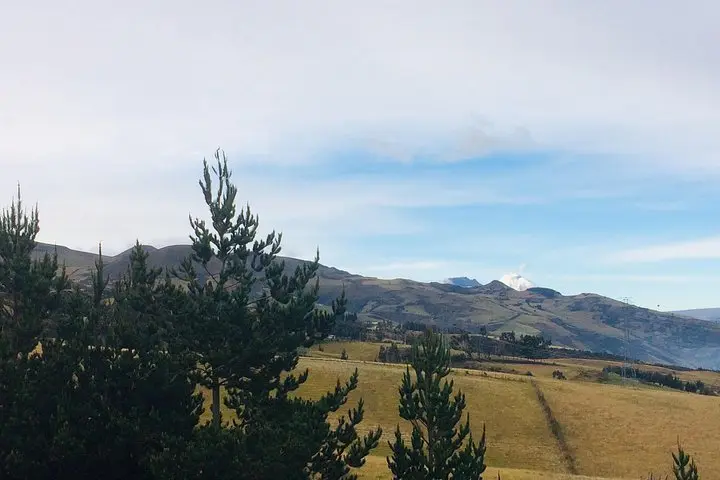
You step out of the van into a highland wind that rearranges your jacket and clears your head—this is the Andean edge, where chalky volcano slopes give way to greenhouses and open markets. The day begins with roadside views of tiered fields and the glass roofs of rose farms, then settles into the human pulse of Otavalo’s market before a family kitchen where smoke and spice take over.
Verified experiences and guided adventures in the surrounding area.
Operated by Ecuador Local Guide · Otavalo, Imbabura
You step out of the van into a highland wind that rearranges your jacket and clears your head—this is the Andean edge, where chalky volcano slopes give way to greenhouses and open markets. The day begins with roadside views of tiered fields and the glass roofs of rose farms, then settles into the human pulse of Otavalo’s market before a family kitchen where smoke and spice take over.
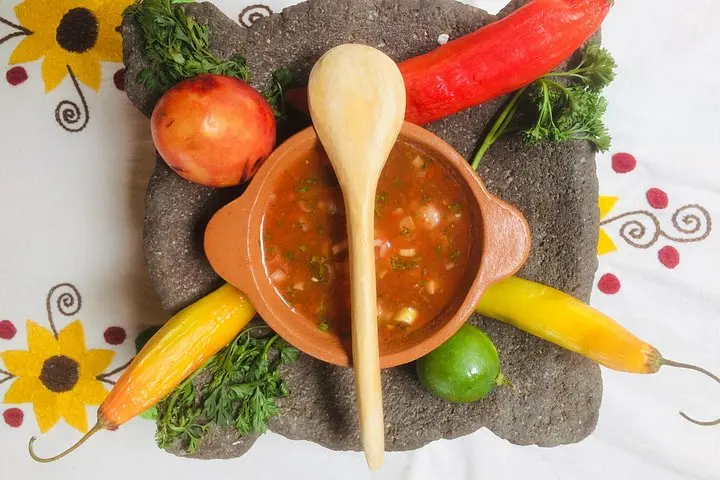
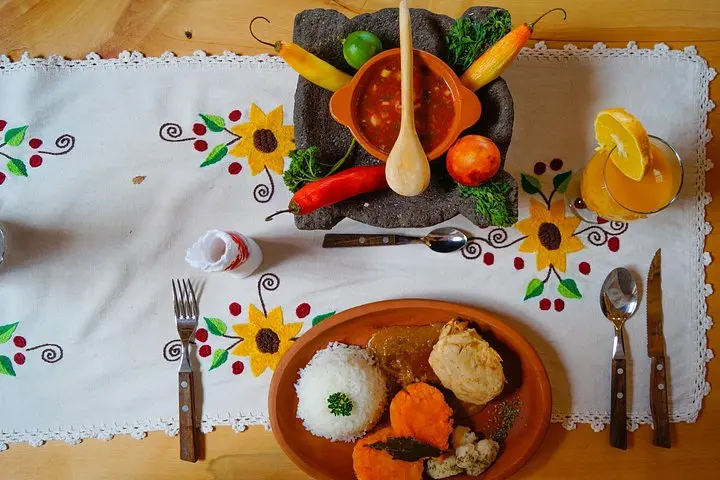
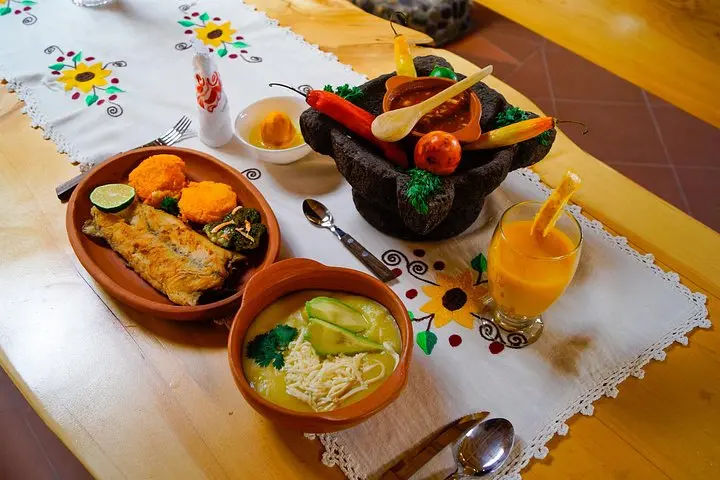
Otavalo’s market sits on centuries of Andean trade; local Kichwa families have woven textiles and traded goods here since pre-Columbian times. Geologically, you’re in the northern Andes—volcanic soils feed pastures and the roses that make Ecuador famous. The culture on display balances artisanal craft and modern export agriculture, and the cooking class bridges both: you’ll learn to make locro de papa (a potato-and-cheese soup), small empanadas, a main dish drawn from local produce, and a simple dessert, all paired with canelazo, a warm cinnamon-and-rum drink.
Practical side: the day is long—expect 8–9 hours with driving between Quito, Otavalo and Cotacachi. Bring layers for cold mornings, cash for small vendors, and tell your host about any allergies in advance. The class is hands-on but beginner-friendly; comfortable shoes and a camera are useful. Timing your visit in the dry months improves visibility of the surrounding volcanoes; in the rainy season, the cooking and a hot canelazo feel especially welcome.
This trip mixes cultural immersion, farm-to-table food, and market browsing—an accessible, sensory way to understand highland Ecuador.
Most departures are from central Quito; the private tour returns you to your pickup point at the end of the day.
Yes—notify the operator at booking and the host will adapt recipes where possible to accommodate allergies or preferences.
Expect roughly one hour for shopping and wandering at Otavalo market, with additional stops in Cotacachi if time allows.
Visits typically include a guided walk through greenhouse rows and an explanation of cultivation and export processes; hands-on activities depend on the farm.
Ecuador Local Guide operates guided outdoor trips and adventures with an emphasis on safety, stewardship, and memorable experiences.
You step out of the van into a highland wind that rearranges your jacket and clears your head—this is the Andean edge, where chalky volcano slopes give way to greenhouses and open markets. The day begins with roadside views of tiered fields and the glass roofs of rose farms, then settles into the human pulse of Otavalo’s market before a family kitchen where smoke and spice take over.
You step out of the van into a highland wind that rearranges your jacket and clears your head—this is the Andean edge, where chalky volcano slopes give way to greenhouses and open markets. The day begins with roadside views of tiered fields and the glass roofs of rose farms, then settles into the human pulse of Otavalo’s market before a family kitchen where smoke and spice take over.
Otavalo’s market sits on centuries of Andean trade; local Kichwa families have woven textiles and traded goods here since pre-Columbian times. Geologically, you’re in the northern Andes—volcanic soils feed pastures and the roses that make Ecuador famous. The culture on display balances artisanal craft and modern export agriculture, and the cooking class bridges both: you’ll learn to make locro de papa (a potato-and-cheese soup), small empanadas, a main dish drawn from local produce, and a simple dessert, all paired with canelazo, a warm cinnamon-and-rum drink.
Practical side: the day is long—expect 8–9 hours with driving between Quito, Otavalo and Cotacachi. Bring layers for cold mornings, cash for small vendors, and tell your host about any allergies in advance. The class is hands-on but beginner-friendly; comfortable shoes and a camera are useful. Timing your visit in the dry months improves visibility of the surrounding volcanoes; in the rainy season, the cooking and a hot canelazo feel especially welcome.
This trip mixes cultural immersion, farm-to-table food, and market browsing—an accessible, sensory way to understand highland Ecuador.