THE ADVENTURE COLLECTIVE® · Independent discovery and booking for outdoor travel

Trade Edinburgh’s streets for open sky on a guided day-hike into the Pentland Hills to watch Conservation Highland cows grazing beneath wide views of the city and sea. Expect 2–4 hours on uneven ground, peat and grassy ridgelines with local history woven through the route.
Trade Edinburgh’s streets for open sky on a guided day-hike into the Pentland Hills to watch Conservation Highland cows grazing beneath wide views of the city and sea. Expect 2–4 hours on uneven ground, peat and grassy ridgelines with local history woven through the route.
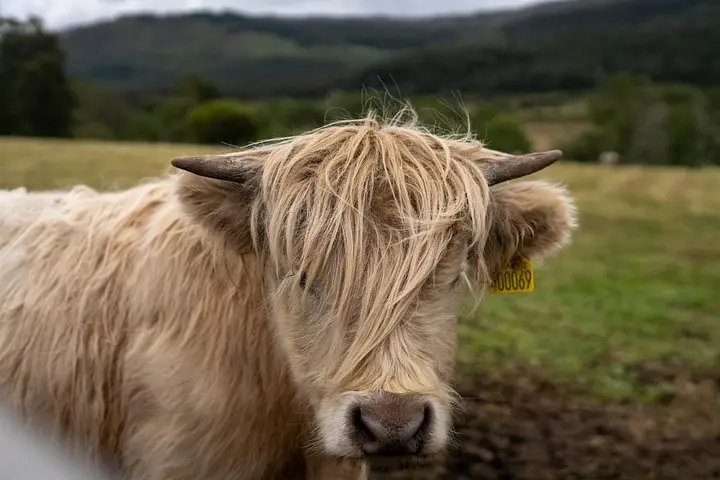
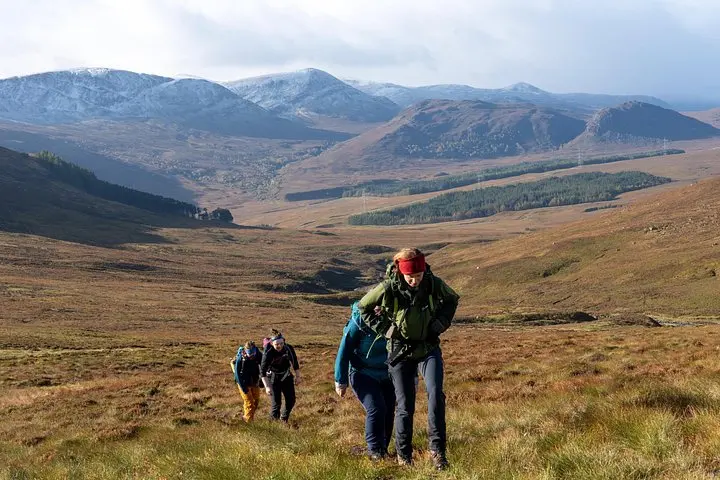
A low, inland wind pushes across tussock grass as you climb out of the parking hollow at Hillend. The city drops away to the north; stone roofs shrink and Firth of Forth silver-slices the horizon. Ahead the Pentland slopes rise in grassy ribs, and somewhere among them the long-haired Highland cows graze, patient and indifferent to human curiosity.
Verified experiences and guided adventures in the surrounding area.
Operated by Mountain Marcus · Edinburgh, Scotland
A low, inland wind pushes across tussock grass as you climb out of the parking hollow at Hillend. The city drops away to the north; stone roofs shrink and Firth of Forth silver-slices the horizon. Ahead the Pentland slopes rise in grassy ribs, and somewhere among them the long-haired Highland cows graze, patient and indifferent to human curiosity.
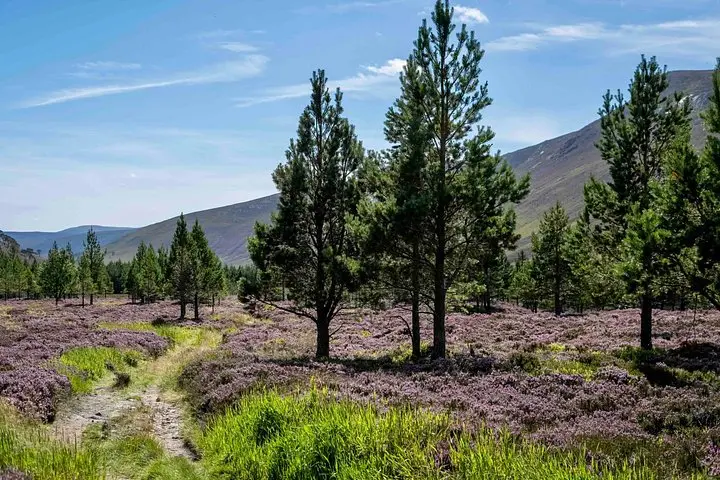
This short guided hike follows old estate tracks and grassy fell to a viewpoint that frames Edinburgh Castle, Arthur’s Seat and the sea beyond — a compact lesson in the region’s geology. The Pentland Hills are volcanic outcrops and glacially scoured ridges; peat and heather give way to short grass where conservation grazing keeps scrub in check. Cattle here are part of habitat restoration, used to manage bracken and encourage wildflowers and ground-nesting birds.
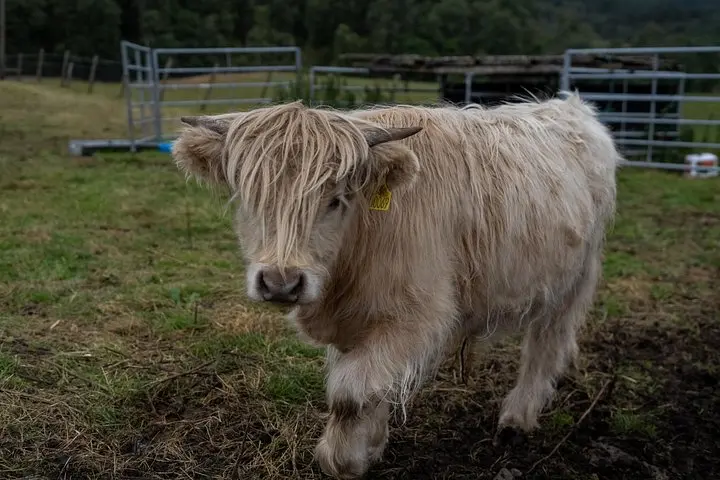
Culturally the route sits on common grazing ground with a history of farming and fodder rights; you’ll pass fence-lines, occasional ruins and the working Swanston Farm where the herd lives in all seasons.
Practical guidance: expect 2–4 hours on uneven, sometimes boggy ground and a 200–400 m cumulative ascent depending on route. Wear waterproof boots, layer for brisk hill wind, and bring water and snacks—there are limited services at the finish. Keep distance from cattle, follow your guide’s instructions, and be ready to change plans if the herd has moved. Morning light tightens the views and reduces midges in summer; late afternoon can make the city glow. This is a short, accessible way to trade Edinburgh’s streets for open sky and grazing beasts.
The outing lasts 2–4 hours and is classed moderate: short steep sections and uneven ground but no technical climbing.
The herd roams; guides plan routes where cows are often found but sightings aren’t guaranteed—they may be at the farm.
Older children used to walking (and supervised around cattle) can join; inquire about age limits and bring suitable footwear.
Hillend is about 30 minutes by car; public transport options exist to nearby stops but expect a short taxi or local bus connection.
Mountain Marcus operates guided outdoor trips and adventures with an emphasis on safety, stewardship, and memorable experiences.
A low, inland wind pushes across tussock grass as you climb out of the parking hollow at Hillend. The city drops away to the north; stone roofs shrink and Firth of Forth silver-slices the horizon. Ahead the Pentland slopes rise in grassy ribs, and somewhere among them the long-haired Highland cows graze, patient and indifferent to human curiosity.
A low, inland wind pushes across tussock grass as you climb out of the parking hollow at Hillend. The city drops away to the north; stone roofs shrink and Firth of Forth silver-slices the horizon. Ahead the Pentland slopes rise in grassy ribs, and somewhere among them the long-haired Highland cows graze, patient and indifferent to human curiosity.
This short guided hike follows old estate tracks and grassy fell to a viewpoint that frames Edinburgh Castle, Arthur’s Seat and the sea beyond — a compact lesson in the region’s geology. The Pentland Hills are volcanic outcrops and glacially scoured ridges; peat and heather give way to short grass where conservation grazing keeps scrub in check. Cattle here are part of habitat restoration, used to manage bracken and encourage wildflowers and ground-nesting birds.
Culturally the route sits on common grazing ground with a history of farming and fodder rights; you’ll pass fence-lines, occasional ruins and the working Swanston Farm where the herd lives in all seasons.
Practical guidance: expect 2–4 hours on uneven, sometimes boggy ground and a 200–400 m cumulative ascent depending on route. Wear waterproof boots, layer for brisk hill wind, and bring water and snacks—there are limited services at the finish. Keep distance from cattle, follow your guide’s instructions, and be ready to change plans if the herd has moved. Morning light tightens the views and reduces midges in summer; late afternoon can make the city glow. This is a short, accessible way to trade Edinburgh’s streets for open sky and grazing beasts.