THE ADVENTURE COLLECTIVE® · Independent discovery and booking for outdoor travel

Spend a full day crossing Scotland’s western lochs and glens, from a military-road viewpoint to Inveraray Castle’s grand rooms and the ruined silhouette of Kilchurn. This guided shore excursion blends landscape, history, and practical stops for photos and lunch.
Spend a full day crossing Scotland’s western lochs and glens, from a military-road viewpoint to Inveraray Castle’s grand rooms and the ruined silhouette of Kilchurn. This guided shore excursion blends landscape, history, and practical stops for photos and lunch.
The bus pulls away from the cruise terminal and the city’s edge folds into a widening sweep of water and rock. Mountains lean toward the road as if to listen, lochs hold the light like dark glass, and the wind off the Atlantic scents the air with salt and peat. On a full-day shore excursion to Inveraray and the western Highlands, the landscape insists you slow down: horseshoe bays, ruined ramparts, and whitewashed Georgian terraces reveal themselves in a rhythm that dares you to keep your camera in the bag.
Verified experiences and guided adventures in the surrounding area.
Operated by Discover Scotland Tours · Inveraray, Argyll and Bute
The bus pulls away from the cruise terminal and the city’s edge folds into a widening sweep of water and rock. Mountains lean toward the road as if to listen, lochs hold the light like dark glass, and the wind off the Atlantic scents the air with salt and peat. On a full-day shore excursion to Inveraray and the western Highlands, the landscape insists you slow down: horseshoe bays, ruined ramparts, and whitewashed Georgian terraces reveal themselves in a rhythm that dares you to keep your camera in the bag.
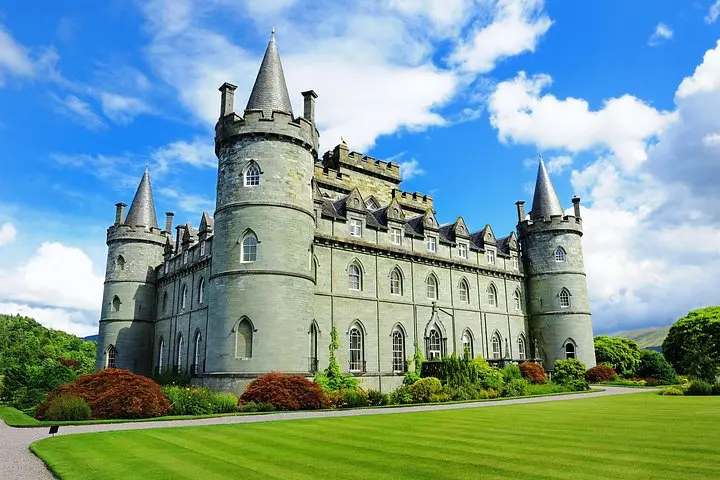
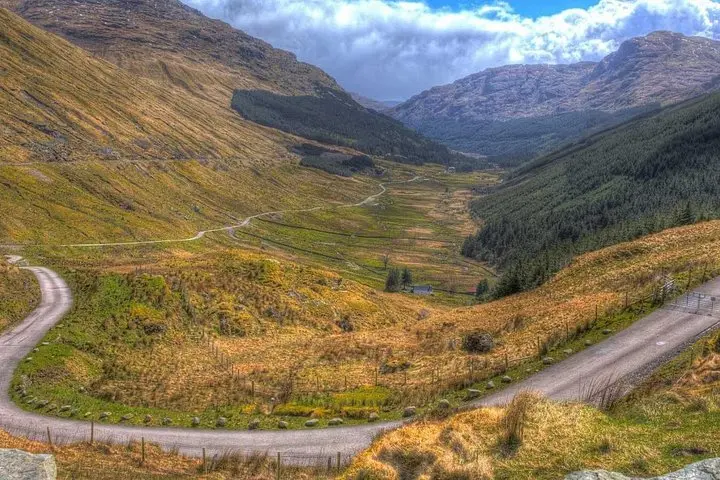
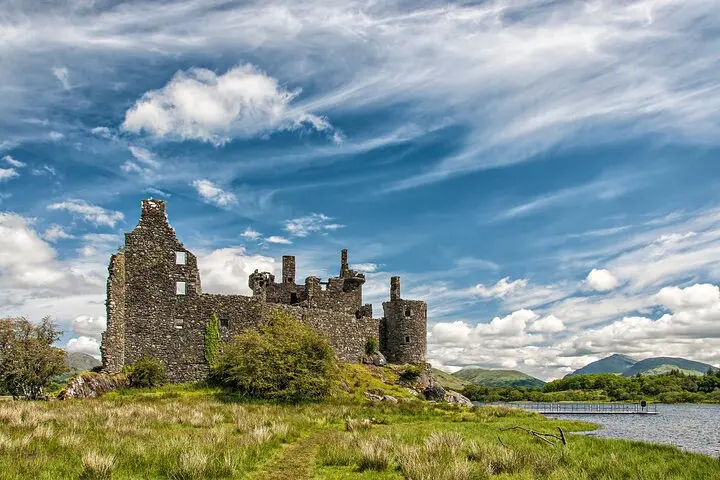
This route traces threads of Scotland’s past. The military road above the Rest and Be Thankful was cut in 1753 to open the Highlands after the Jacobite risings; the name is literal — soldiers carved instructions in stone for exhausted cart drivers who reached the summit. Inveraray Castle, seat of Clan Campbell, shows 18th-century taste fashioned into mock-medieval grandeur. Kilchurn Castle, standing at the head of Loch Awe, is a mid-15th century ruin whose walls read like a history of clan conflict and architectural adaptation.
Geologically, you move across old, hard rock sculpted by glaciers. Valleys here are U-shaped; lochs occupy the troughs left by great ice flows. The trees vary from windswept birch on the lower slopes to the ragged pines where soil thins and the weather hardens. Luss, on the shores of Loch Lomond, keeps a quieter record—Christian settlement traces and a Viking hogback grave that remind you human stories are layered over these stone and water landscapes.
Culturally the day is compact: a guided entry to Inveraray Castle, a walk through an 18th-century planned town, a short photo stop at Kilchurn, and time in Luss to browse and eat. Local hospitality centers on simple, hearty food—stews, smoked salmon, and strong tea—and small businesses are keen to explain place names and clan histories if you ask.
Practical guidance: the tour is a full eight-hour day with several short walks and photo stops; expect a moderate pace but easy terrain. Weather changes quickly — a drizzle can become wind and sun within an hour — so layer, carry waterproofs, and bring a charged camera battery. There are toilets and lunch options in Inveraray and Luss, but services are basic at smaller stops. The excursion is suitable for most fitness levels but not recommended for children under five.
For photographers, aim for soft morning light at the Rest and be Thankful and late afternoon on Loch Lomond. Be respectful at historic sites and stick to marked paths: erosion and livestock grazing are real conservation concerns here. Leave nothing behind but footprints — and perhaps a new appreciation for a landscape that still manages to surprise even after centuries of visitors.
The tour runs approximately eight hours; check your booking confirmation for the exact meeting time and arrive at least 15 minutes early.
The operator does not accommodate children under five; older children who can manage short walks are generally welcome.
Yes — entry to Inveraray Castle is included in the tour price.
Small daypacks are fine; large suitcases are not suitable for the vehicle used on this excursion.
Please check your booking for specific refund rules; severe weather cancellations are not typical but guided decisions are made for safety.
You’ll have time for lunch in Inveraray and access to public toilets at main stops; food options are basic cafés and pubs.
Discover Scotland Tours operates guided outdoor trips and adventures with an emphasis on safety, stewardship, and memorable experiences.
The bus pulls away from the cruise terminal and the city’s edge folds into a widening sweep of water and rock. Mountains lean toward the road as if to listen, lochs hold the light like dark glass, and the wind off the Atlantic scents the air with salt and peat. On a full-day shore excursion to Inveraray and the western Highlands, the landscape insists you slow down: horseshoe bays, ruined ramparts, and whitewashed Georgian terraces reveal themselves in a rhythm that dares you to keep your camera in the bag.
The bus pulls away from the cruise terminal and the city’s edge folds into a widening sweep of water and rock. Mountains lean toward the road as if to listen, lochs hold the light like dark glass, and the wind off the Atlantic scents the air with salt and peat. On a full-day shore excursion to Inveraray and the western Highlands, the landscape insists you slow down: horseshoe bays, ruined ramparts, and whitewashed Georgian terraces reveal themselves in a rhythm that dares you to keep your camera in the bag.
This route traces threads of Scotland’s past. The military road above the Rest and Be Thankful was cut in 1753 to open the Highlands after the Jacobite risings; the name is literal — soldiers carved instructions in stone for exhausted cart drivers who reached the summit. Inveraray Castle, seat of Clan Campbell, shows 18th-century taste fashioned into mock-medieval grandeur. Kilchurn Castle, standing at the head of Loch Awe, is a mid-15th century ruin whose walls read like a history of clan conflict and architectural adaptation.
Geologically, you move across old, hard rock sculpted by glaciers. Valleys here are U-shaped; lochs occupy the troughs left by great ice flows. The trees vary from windswept birch on the lower slopes to the ragged pines where soil thins and the weather hardens. Luss, on the shores of Loch Lomond, keeps a quieter record—Christian settlement traces and a Viking hogback grave that remind you human stories are layered over these stone and water landscapes.
Culturally the day is compact: a guided entry to Inveraray Castle, a walk through an 18th-century planned town, a short photo stop at Kilchurn, and time in Luss to browse and eat. Local hospitality centers on simple, hearty food—stews, smoked salmon, and strong tea—and small businesses are keen to explain place names and clan histories if you ask.
Practical guidance: the tour is a full eight-hour day with several short walks and photo stops; expect a moderate pace but easy terrain. Weather changes quickly — a drizzle can become wind and sun within an hour — so layer, carry waterproofs, and bring a charged camera battery. There are toilets and lunch options in Inveraray and Luss, but services are basic at smaller stops. The excursion is suitable for most fitness levels but not recommended for children under five.
For photographers, aim for soft morning light at the Rest and be Thankful and late afternoon on Loch Lomond. Be respectful at historic sites and stick to marked paths: erosion and livestock grazing are real conservation concerns here. Leave nothing behind but footprints — and perhaps a new appreciation for a landscape that still manages to surprise even after centuries of visitors.