THE ADVENTURE COLLECTIVE® · Independent discovery and booking for outdoor travel

Traverse Muscat’s grand mosque, the fortified streets of Nizwa, and the rolling Wahiba Sands on a compact six-day tour. Expect castle architecture, wadi pools, traditional dhow yards and a night under desert stars.
Traverse Muscat’s grand mosque, the fortified streets of Nizwa, and the rolling Wahiba Sands on a compact six-day tour. Expect castle architecture, wadi pools, traditional dhow yards and a night under desert stars.
You step off the plane into Muscat and the air feels like a promise—warm, dry, and edged with sea salt. The city’s low white buildings catch light that slides off the Gulf of Oman, while minarets mark time for daily prayers. Over six days you move from polished mosque courtyards to dune backs that rise and fall like a living ocean.
Verified experiences and guided adventures in the surrounding area.
Operated by Oman Safari Tours · Muscat, Muscat
You step off the plane into Muscat and the air feels like a promise—warm, dry, and edged with sea salt. The city’s low white buildings catch light that slides off the Gulf of Oman, while minarets mark time for daily prayers. Over six days you move from polished mosque courtyards to dune backs that rise and fall like a living ocean.
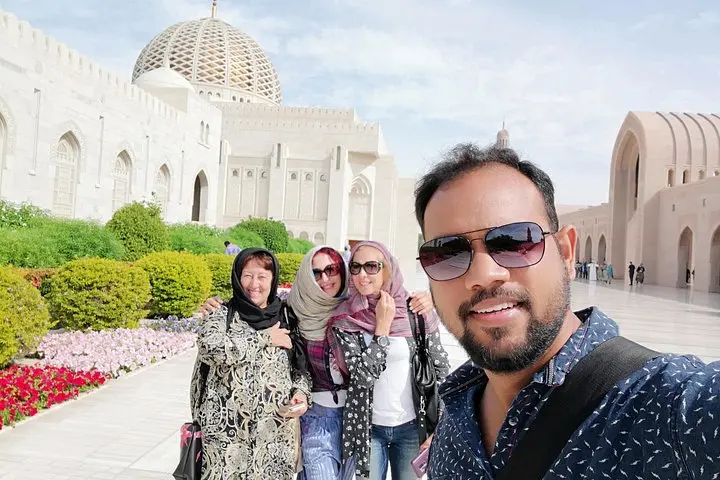
Muscat’s Sultan Qaboos Grand Mosque anchors the first day with its modern Islamic architecture; then Nizwa’s fortress and Jabrin Castle shift the story back to 17th‑century Omani life—carved beams, plasterwork and defensive towers that record centuries of trade and tribal power. Geology is visible in the fluted cliffs above Wadi Bani Khalid and the soft, wind-sculpted ridges of Wahiba Sands where sand dares you to climb and then pushes you forward with every dune crest.
Culturally, Sur’s dhow yards and Muttrah Souq speak of a maritime past: frankincense, silverwork and boatbuilding tied Oman to the Indian Ocean world. Expect clear swimming pools in wadis, starlit desert nights, and the quiet bustle of souqs.
Practical guidance: travel light for transfers, bring closed-toe shoes for rocky forts and sand-traction for dunes. Hydrate often—Oman’s climate moves fast from pleasant mornings to intense afternoons. Time visits to outdoor sites early or late to avoid heat and get the best light for photos. Respect mosque etiquette (long sleeves, covered legs; women bring a scarf) and carry cash for souq bargaining. With moderate fitness and practical gear, this six-day loop delivers both landscapes and layered history.
Many nationalities require a visa; check Oman’s eVisa portal well before travel and ensure passport validity of at least six months.
October through April offers the most comfortable temperatures for desert and wadi visits; summer is very hot and can limit daytime activities.
The itinerary includes hotel accommodations in Muscat, Nizwa and Wahiba Sands plus airport pickup and daily transfers as noted in the itinerary.
Yes, many camps are family-friendly but check age policies; dune driving and uneven terrain mean supervision is advised for young children.
Oman Safari Tours operates guided outdoor trips and adventures with an emphasis on safety, stewardship, and memorable experiences.
You step off the plane into Muscat and the air feels like a promise—warm, dry, and edged with sea salt. The city’s low white buildings catch light that slides off the Gulf of Oman, while minarets mark time for daily prayers. Over six days you move from polished mosque courtyards to dune backs that rise and fall like a living ocean.
You step off the plane into Muscat and the air feels like a promise—warm, dry, and edged with sea salt. The city’s low white buildings catch light that slides off the Gulf of Oman, while minarets mark time for daily prayers. Over six days you move from polished mosque courtyards to dune backs that rise and fall like a living ocean.
Muscat’s Sultan Qaboos Grand Mosque anchors the first day with its modern Islamic architecture; then Nizwa’s fortress and Jabrin Castle shift the story back to 17th‑century Omani life—carved beams, plasterwork and defensive towers that record centuries of trade and tribal power. Geology is visible in the fluted cliffs above Wadi Bani Khalid and the soft, wind-sculpted ridges of Wahiba Sands where sand dares you to climb and then pushes you forward with every dune crest.
Culturally, Sur’s dhow yards and Muttrah Souq speak of a maritime past: frankincense, silverwork and boatbuilding tied Oman to the Indian Ocean world. Expect clear swimming pools in wadis, starlit desert nights, and the quiet bustle of souqs.
Practical guidance: travel light for transfers, bring closed-toe shoes for rocky forts and sand-traction for dunes. Hydrate often—Oman’s climate moves fast from pleasant mornings to intense afternoons. Time visits to outdoor sites early or late to avoid heat and get the best light for photos. Respect mosque etiquette (long sleeves, covered legs; women bring a scarf) and carry cash for souq bargaining. With moderate fitness and practical gear, this six-day loop delivers both landscapes and layered history.