THE ADVENTURE COLLECTIVE® · Independent discovery and booking for outdoor travel

An hour-long self-guided audio tour that walks you along the River Lee through Cork’s quays, bridges, and civic squares. Expect hilly stretches, cobbled streets, and rich history from the butter trade to civic landmarks.
An hour-long self-guided audio tour that walks you along the River Lee through Cork’s quays, bridges, and civic squares. Expect hilly stretches, cobbled streets, and rich history from the butter trade to civic landmarks.
You step onto Lapps Quay with the River Lee splitting and rejoining like an impatient tide, bridges arcing ahead and the city’s brick edges rising from reclaimed marsh. Headphones in, the audio guide begins; the voice maps your pace while gulls and the murmur of buses provide a live soundtrack.
Verified experiences and guided adventures in the surrounding area.
Operated by VoiceMap Audio Tours · Cork, County Cork
You step onto Lapps Quay with the River Lee splitting and rejoining like an impatient tide, bridges arcing ahead and the city’s brick edges rising from reclaimed marsh. Headphones in, the audio guide begins; the voice maps your pace while gulls and the murmur of buses provide a live soundtrack.
Cork’s story is practical and direct: a monastic origin by St. Finbarr, Viking and Norman traffic, and a 19th‑century boom when the city hosted the world’s largest butter exchange. Geologically the Lee has shaped Cork — channels, alluvial clay, and pockets of limestone underlie streets that were once marshland, which explains the city’s quays and frequent steps.
The route traces riverside quays, passes Nano Nagle and South Gate bridges, skirts the Grand Parade and South Mall, and threads pockets of civic green like Bishop Lucey Park. Cultural notes point to the Crawford Art Gallery, local pubs, and the stubborn practicality of Corkonians — trade, storytelling, and late-night music woven into the streets.
Practically: expect cobbles and short, sharp hills; allow 60–90 minutes but linger at markets or galleries. The VoiceMap app provides turn‑by‑turn GPS and offline playback — essential in patchy city data. Wear grippy shoes, pack a rain layer, and bring a charged phone and headphones. Start early for quieter quays or after lunch to feel the city’s rhythm. This is a compact, walkable slice of Cork that rewards curiosity and a good pair of legs.
The audio route is designed for 60–90 minutes, but you can linger at stops—markets and galleries make good reasons to extend the walk.
The guided route begins on Lapps Quay and follows sections of the River Lee, passing landmarks like Nano Nagle Bridge, South Mall and the Grand Parade; it’s self-guided so you can stop and restart as needed.
No—VoiceMap supports offline downloads of audio, maps, and geodata; download everything before you leave to avoid roaming or patchy coverage.
The walk is rated suitable for most fitness levels but includes hilly stretches and cobbles, so those with mobility limitations should plan accordingly.
VoiceMap Audio Tours operates guided outdoor trips and adventures with an emphasis on safety, stewardship, and memorable experiences.
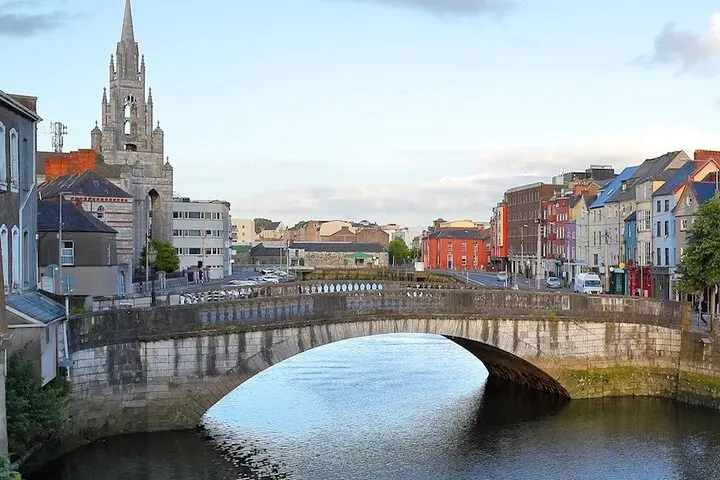
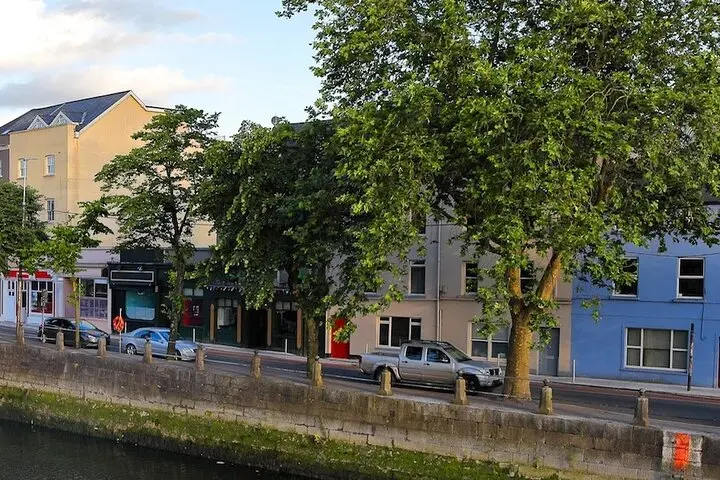
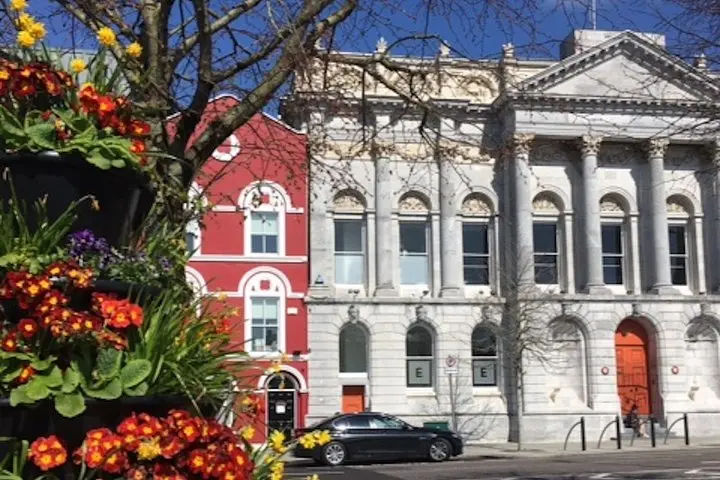
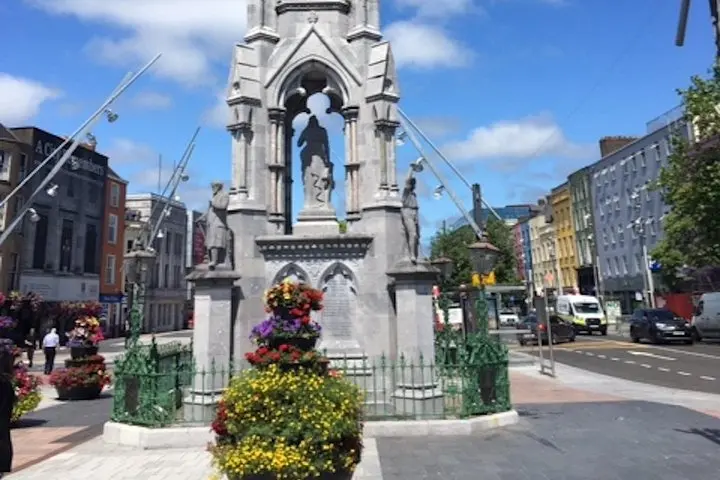
You step onto Lapps Quay with the River Lee splitting and rejoining like an impatient tide, bridges arcing ahead and the city’s brick edges rising from reclaimed marsh. Headphones in, the audio guide begins; the voice maps your pace while gulls and the murmur of buses provide a live soundtrack.
You step onto Lapps Quay with the River Lee splitting and rejoining like an impatient tide, bridges arcing ahead and the city’s brick edges rising from reclaimed marsh. Headphones in, the audio guide begins; the voice maps your pace while gulls and the murmur of buses provide a live soundtrack.
Cork’s story is practical and direct: a monastic origin by St. Finbarr, Viking and Norman traffic, and a 19th‑century boom when the city hosted the world’s largest butter exchange. Geologically the Lee has shaped Cork — channels, alluvial clay, and pockets of limestone underlie streets that were once marshland, which explains the city’s quays and frequent steps.
The route traces riverside quays, passes Nano Nagle and South Gate bridges, skirts the Grand Parade and South Mall, and threads pockets of civic green like Bishop Lucey Park. Cultural notes point to the Crawford Art Gallery, local pubs, and the stubborn practicality of Corkonians — trade, storytelling, and late-night music woven into the streets.
Practically: expect cobbles and short, sharp hills; allow 60–90 minutes but linger at markets or galleries. The VoiceMap app provides turn‑by‑turn GPS and offline playback — essential in patchy city data. Wear grippy shoes, pack a rain layer, and bring a charged phone and headphones. Start early for quieter quays or after lunch to feel the city’s rhythm. This is a compact, walkable slice of Cork that rewards curiosity and a good pair of legs.