THE ADVENTURE COLLECTIVE® · Independent discovery and booking for outdoor travel

Move from Tokyo's neon rush to the quiet steam of an onsen on this 10-day small-group tour. Explore Mount Fuji views, historic post towns, samurai castles, and Kyoto's temple quarter with practical pacing and local insights.
Move from Tokyo's neon rush to the quiet steam of an onsen on this 10-day small-group tour. Explore Mount Fuji views, historic post towns, samurai castles, and Kyoto's temple quarter with practical pacing and local insights.
Morning in Tokyo begins with a stream of neon and the staccato rhythm of trains; within days that tempo shifts to the soft steam of an onsen at Lake Kawaguchi and the quiet wooden lanes of Tsumago. This 10-day small-group itinerary threads modern Tokyo, the volcanic silhouette of Mount Fuji, alpine Matsumoto, coastal Kanazawa, the shepherded trails of the Kiso Valley, and Kyoto's centuries-old temples into a concise cultural loop.
Verified experiences and guided adventures in the surrounding area.
Operated by Japan and More · Tokyo, Tokyo
Morning in Tokyo begins with a stream of neon and the staccato rhythm of trains; within days that tempo shifts to the soft steam of an onsen at Lake Kawaguchi and the quiet wooden lanes of Tsumago. This 10-day small-group itinerary threads modern Tokyo, the volcanic silhouette of Mount Fuji, alpine Matsumoto, coastal Kanazawa, the shepherded trails of the Kiso Valley, and Kyoto's centuries-old temples into a concise cultural loop.
Travelers move by bullet train and regional coaches, sampling Senso-ji's seventh-century architecture, the fish-and-human ballet of Tsukiji, and the measured gardens of Kenrokuen. Geology shapes the trip: volcanic soils around Fuji feed mineral-rich hot springs, while the Kiso Valley's preserved post towns trace the old Nakasendo corridor that linked Edo and Kyoto during the Edo Period.
Culturally, expect ceremonies and preserved craft districts — Matsumoto Castle's black exterior, Kanazawa's samurai quarters, and Kyoto's wooden Higashiyama streets recall layers of Japanese life, from samurai governance to refined tea and kaiseki cuisine.
Practical guidance: pace is moderate with several full travel days and short hikes or town walks; comfortable walking shoes, a lightweight daypack, and a flexible jacket will make transitions easier. Carry some cash for markets and smaller temples, and use luggage forwarding services if you prefer lighter travel between ryokan and city hotels. Group size is small (up to eight), so spoken English is common among guides but having a translation app helps in quieter neighborhoods. Plan early mornings for temple visits to avoid crowds and bring a sense of curiosity — Japan's details reward slow observation.
The tour balances sightseeing and transit; expect several full travel days with multiple stops and free time in major cities—moderate stamina is needed.
Breakfasts are included most days and several dinners such as kaiseki meals are provided; plan to budget for several lunches and occasional dinners off-program.
Yes—travel includes bullet trains and regional coaches; local trains and short walks are common, so having a Suica/Pasmo card is convenient.
Guides typically speak English; tipping is not customary in Japan—small tokens of appreciation are optional but not expected.
Japan and More operates guided outdoor trips and adventures with an emphasis on safety, stewardship, and memorable experiences.
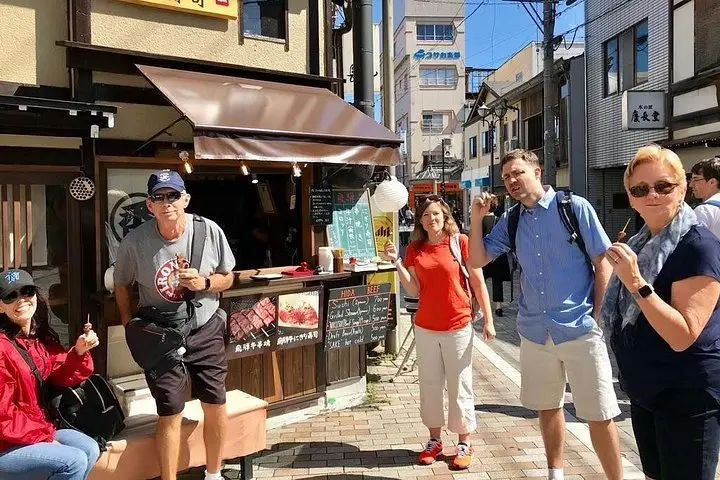
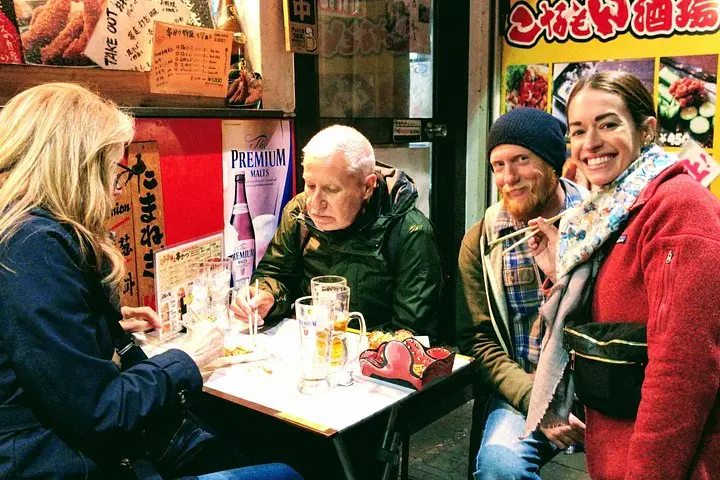
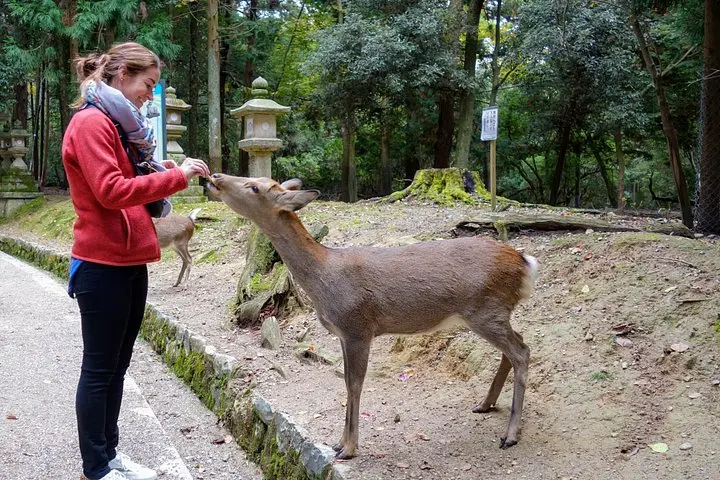
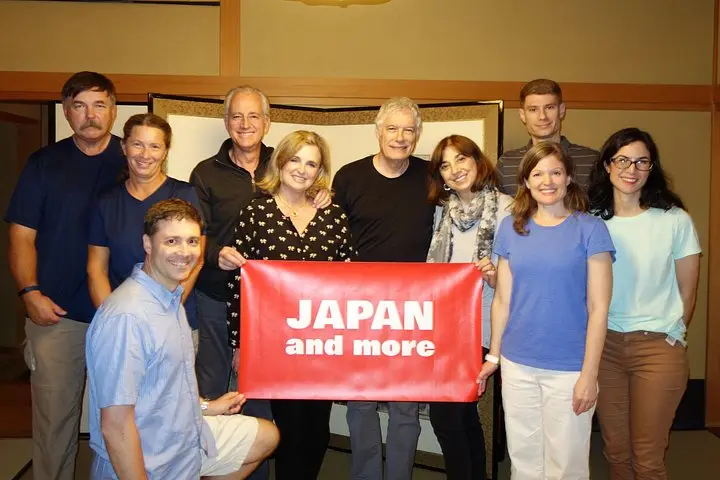
Morning in Tokyo begins with a stream of neon and the staccato rhythm of trains; within days that tempo shifts to the soft steam of an onsen at Lake Kawaguchi and the quiet wooden lanes of Tsumago. This 10-day small-group itinerary threads modern Tokyo, the volcanic silhouette of Mount Fuji, alpine Matsumoto, coastal Kanazawa, the shepherded trails of the Kiso Valley, and Kyoto's centuries-old temples into a concise cultural loop.
Morning in Tokyo begins with a stream of neon and the staccato rhythm of trains; within days that tempo shifts to the soft steam of an onsen at Lake Kawaguchi and the quiet wooden lanes of Tsumago. This 10-day small-group itinerary threads modern Tokyo, the volcanic silhouette of Mount Fuji, alpine Matsumoto, coastal Kanazawa, the shepherded trails of the Kiso Valley, and Kyoto's centuries-old temples into a concise cultural loop.
Travelers move by bullet train and regional coaches, sampling Senso-ji's seventh-century architecture, the fish-and-human ballet of Tsukiji, and the measured gardens of Kenrokuen. Geology shapes the trip: volcanic soils around Fuji feed mineral-rich hot springs, while the Kiso Valley's preserved post towns trace the old Nakasendo corridor that linked Edo and Kyoto during the Edo Period.
Culturally, expect ceremonies and preserved craft districts — Matsumoto Castle's black exterior, Kanazawa's samurai quarters, and Kyoto's wooden Higashiyama streets recall layers of Japanese life, from samurai governance to refined tea and kaiseki cuisine.
Practical guidance: pace is moderate with several full travel days and short hikes or town walks; comfortable walking shoes, a lightweight daypack, and a flexible jacket will make transitions easier. Carry some cash for markets and smaller temples, and use luggage forwarding services if you prefer lighter travel between ryokan and city hotels. Group size is small (up to eight), so spoken English is common among guides but having a translation app helps in quieter neighborhoods. Plan early mornings for temple visits to avoid crowds and bring a sense of curiosity — Japan's details reward slow observation.