THE ADVENTURE COLLECTIVE® · Independent discovery and booking for outdoor travel

Climb Fourvière for Roman ruins and sweeping city views, then thread through Vieux‑Lyon’s Renaissance streets and secret traboules with a private guide. This three‑hour walking tour blends archaeology, local life and practical tips for cobbled climbs.
Climb Fourvière for Roman ruins and sweeping city views, then thread through Vieux‑Lyon’s Renaissance streets and secret traboules with a private guide. This three‑hour walking tour blends archaeology, local life and practical tips for cobbled climbs.
You start on the sun-warmed steps in front of Basilique Notre-Dame de Fourvière, the city spread below like a map stitched by two rivers. The basilica’s mosaics and stone towers watch over narrow streets; breezes from the Rhône dare you to look farther, to the domes and roofs that mark centuries of occupation.
Verified experiences and guided adventures in the surrounding area.
Operated by Lyon Private Tours · Lyon, Auvergne-Rhône-Alpes
You start on the sun-warmed steps in front of Basilique Notre-Dame de Fourvière, the city spread below like a map stitched by two rivers. The basilica’s mosaics and stone towers watch over narrow streets; breezes from the Rhône dare you to look farther, to the domes and roofs that mark centuries of occupation.
Fourvière is where Lugdunum took shape under Roman rule — you’ll pass the Odeon and the stone seating of France’s oldest theater, carved into bedrock dating to 15 BC. The hill’s limestone shelves and terraced gardens frame views of the Alps on clear days, while the descent traces old trade routes and afternoon light across courtyard facades.
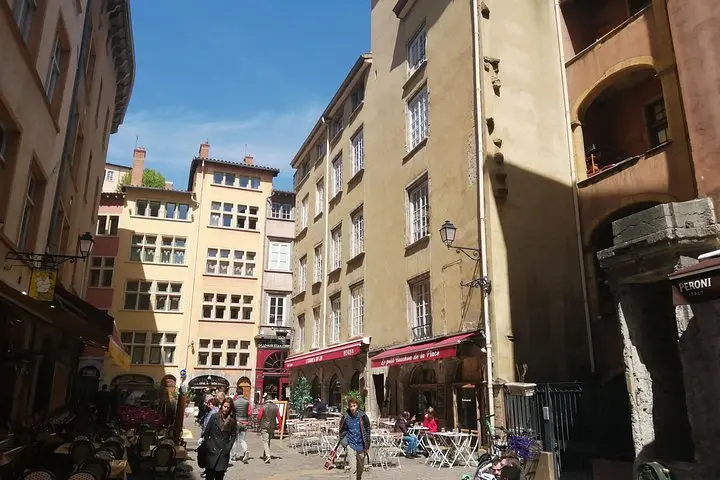
Arriving in Vieux-Lyon, the Renaissance district tightens. The traboules — secret passageways that cut through buildings — reveal guild histories, hidden staircases and courtyards that have sheltered silk weavers and revolutionaries alike. Local guides weave cultural notes about Lyonnais gastronomy, the silk trade, and how the city stitched Roman, medieval and modern layers together.
Practicalities: expect three hours of walking with cobbles, steep staircases and narrow alleys; moderate fitness is required. Comfortable shoes, a reusable water bottle and a light layer for hilltop wind will keep you moving. Public transit reaches the basilica but the meeting point is on the escarpment; allow time for descent into Saint-Jean for photography and for exploring traboules when open. Respect private courtyards — some traboules are private — and aim to visit early or late in the day to avoid tour-peak crowds.
The tour lasts about three hours and involves uphill walking, staircases and cobbled streets — a moderate fitness level is recommended.
This private walking tour typically covers commentary and access to public areas; individual entrance fees for museums or paid exhibits are usually not included—confirm with your operator.
Some traboules are open to the public while others remain private; your guide will take you through those available and explain the rules for respectful access.
The steep steps and narrow passages make it difficult for strollers; children who can handle stairs and longer walks will do fine with breaks.
Lyon Private Tours operates guided outdoor trips and adventures with an emphasis on safety, stewardship, and memorable experiences.
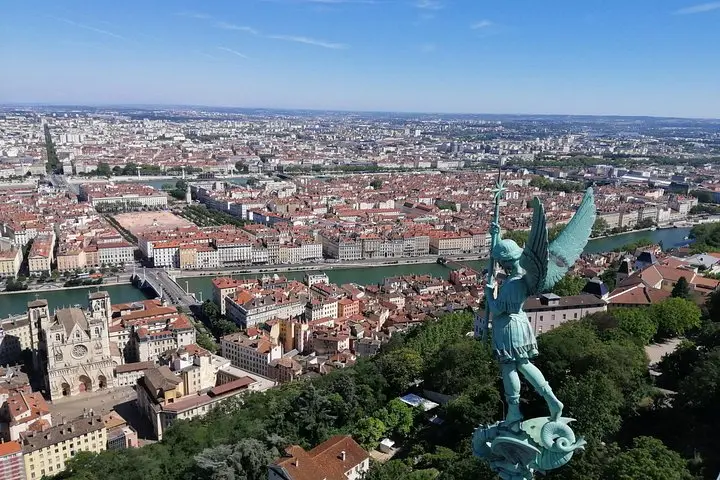
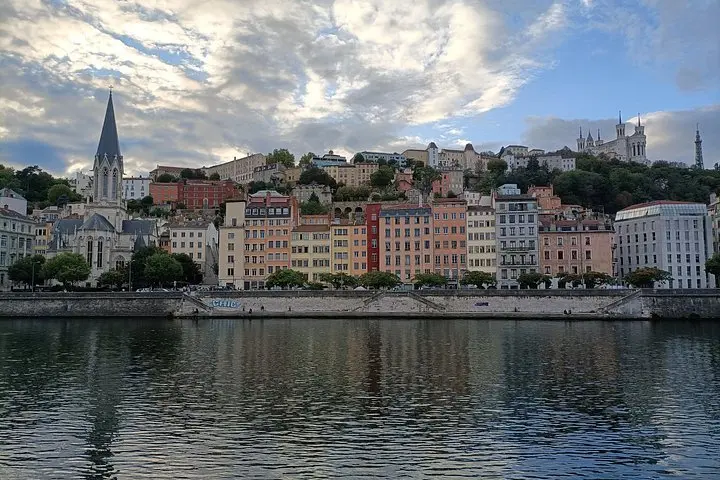

You start on the sun-warmed steps in front of Basilique Notre-Dame de Fourvière, the city spread below like a map stitched by two rivers. The basilica’s mosaics and stone towers watch over narrow streets; breezes from the Rhône dare you to look farther, to the domes and roofs that mark centuries of occupation.
You start on the sun-warmed steps in front of Basilique Notre-Dame de Fourvière, the city spread below like a map stitched by two rivers. The basilica’s mosaics and stone towers watch over narrow streets; breezes from the Rhône dare you to look farther, to the domes and roofs that mark centuries of occupation.
Fourvière is where Lugdunum took shape under Roman rule — you’ll pass the Odeon and the stone seating of France’s oldest theater, carved into bedrock dating to 15 BC. The hill’s limestone shelves and terraced gardens frame views of the Alps on clear days, while the descent traces old trade routes and afternoon light across courtyard facades.
Arriving in Vieux-Lyon, the Renaissance district tightens. The traboules — secret passageways that cut through buildings — reveal guild histories, hidden staircases and courtyards that have sheltered silk weavers and revolutionaries alike. Local guides weave cultural notes about Lyonnais gastronomy, the silk trade, and how the city stitched Roman, medieval and modern layers together.
Practicalities: expect three hours of walking with cobbles, steep staircases and narrow alleys; moderate fitness is required. Comfortable shoes, a reusable water bottle and a light layer for hilltop wind will keep you moving. Public transit reaches the basilica but the meeting point is on the escarpment; allow time for descent into Saint-Jean for photography and for exploring traboules when open. Respect private courtyards — some traboules are private — and aim to visit early or late in the day to avoid tour-peak crowds.