THE ADVENTURE COLLECTIVE® · Independent discovery and booking for outdoor travel

Ten days across Nepal moves fast—from the carved squares of Kathmandu and Bhaktapur to wildlife in Chitwan and the lakeside calm of Pokhara. This roundtrip pairs cultural landmarks with accessible nature experiences and practical travel days between regions.
Ten days across Nepal moves fast—from the carved squares of Kathmandu and Bhaktapur to wildlife in Chitwan and the lakeside calm of Pokhara. This roundtrip pairs cultural landmarks with accessible nature experiences and practical travel days between regions.
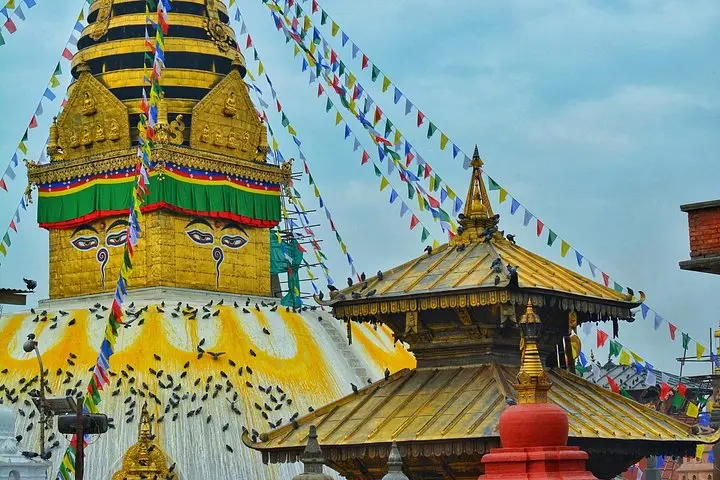
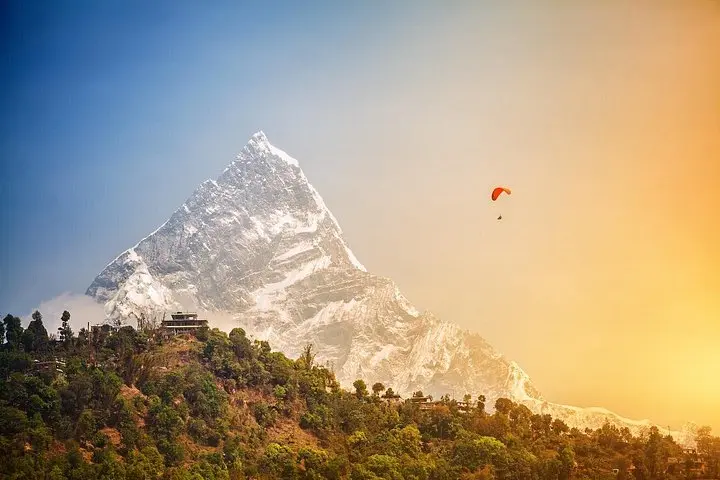
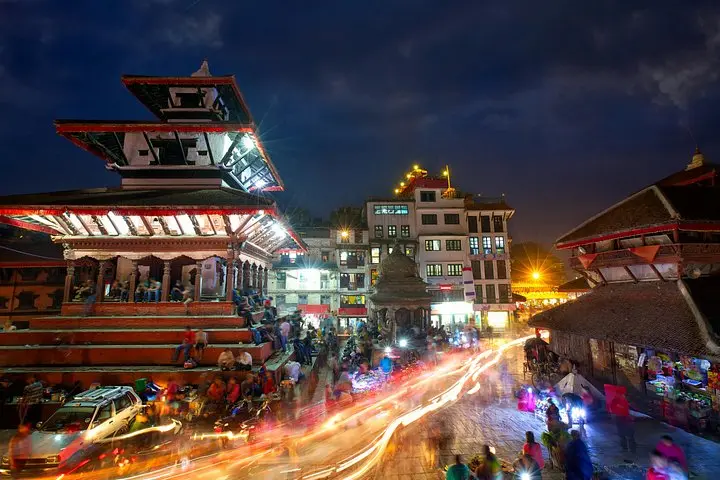
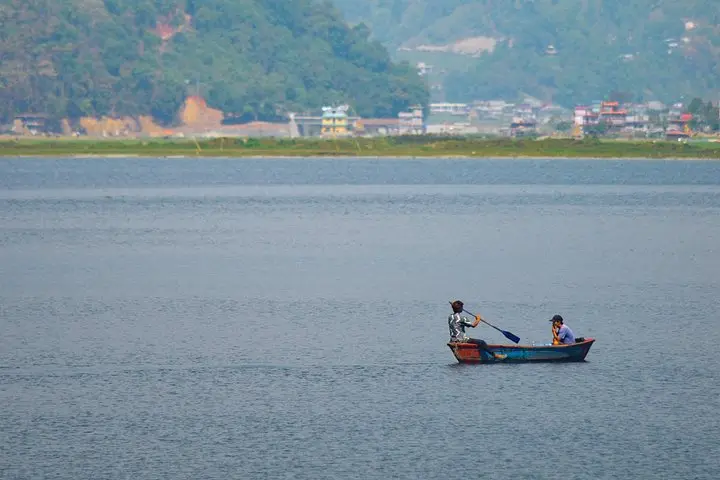
Morning light spills over a city of stone and prayer flags as the tour begins in Kathmandu, where carved wood facades and the clatter of temple bells set the pace. Travelers move from high valley streets to humid Terai jungle and tranquil lakeside hills, watching the landscape itself change moods: dusty alleys give way to elephant tracks and then to the quiet mirror of Phewa Lake.
Verified experiences and guided adventures in the surrounding area.
Operated by Asian Heritage Treks and Travels · Kathmandu, Bagmati Province
Morning light spills over a city of stone and prayer flags as the tour begins in Kathmandu, where carved wood facades and the clatter of temple bells set the pace. Travelers move from high valley streets to humid Terai jungle and tranquil lakeside hills, watching the landscape itself change moods: dusty alleys give way to elephant tracks and then to the quiet mirror of Phewa Lake.
The route threads through millennia of human history — Kathmandu and Bhaktapur’s royal squares showcase medieval Newar craftsmanship, Lumbini marks the recorded birthplace of Siddhartha Gautama (6th century BCE), and Bandipur preserves hill-town life where trade once crossed Himalayan passes. Geologically, the itinerary traverses the young Himalayan fold belt down to the alluvial plains of the Terai; expect stark elevation shifts from roughly 1,400 m in Kathmandu to under 200 m in Chitwan and about 800 m in Pokhara.
Culturally, encounters range from Buddhist stupas and Hindu rites to Tharu village performances in Chitwan. Wildlife viewing centers on Chitwan National Park’s one-horned rhinoceros and Asian elephant, usually observed on guided jeep or canoe safaris rather than on foot.
Practical guidance: plan long road legs—Kathmandu to Chitwan ~150–170 km (5–6 hours), Pokhara to Kathmandu via Bandipur ~200 km (6–7 hours). No high-altitude acclimatization is required, but bring layered clothing for cool mornings and intense sun by day. Comfortable walking shoes, a light rain shell during monsoon months, and a refillable water bottle will make the trip smoother. Carry local currency for rural purchases and allow time for museum visits and early-morning viewpoints like Sarangkot for Himalayan sunrises.
Most nationalities can obtain a tourist visa on arrival at Tribhuvan International Airport or apply online beforehand—check current embassy requirements before travel.
No high-altitude trekking is involved; highest stops are around 1,400 m in Kathmandu and about 800 m in Pokhara, which rarely cause altitude issues.
Activities are supervised by trained guides; safaris (jeep, elephant, canoe) are structured to minimize risk—follow guide instructions and maintain distance from animals.
Routine vaccinations are advised, bring insect repellent for the Terai, and consider anti-diarrheal remedies; consult a travel clinic for personalized advice.
Asian Heritage Treks and Travels operates guided outdoor trips and adventures with an emphasis on safety, stewardship, and memorable experiences.
Morning light spills over a city of stone and prayer flags as the tour begins in Kathmandu, where carved wood facades and the clatter of temple bells set the pace. Travelers move from high valley streets to humid Terai jungle and tranquil lakeside hills, watching the landscape itself change moods: dusty alleys give way to elephant tracks and then to the quiet mirror of Phewa Lake.
Morning light spills over a city of stone and prayer flags as the tour begins in Kathmandu, where carved wood facades and the clatter of temple bells set the pace. Travelers move from high valley streets to humid Terai jungle and tranquil lakeside hills, watching the landscape itself change moods: dusty alleys give way to elephant tracks and then to the quiet mirror of Phewa Lake.
The route threads through millennia of human history — Kathmandu and Bhaktapur’s royal squares showcase medieval Newar craftsmanship, Lumbini marks the recorded birthplace of Siddhartha Gautama (6th century BCE), and Bandipur preserves hill-town life where trade once crossed Himalayan passes. Geologically, the itinerary traverses the young Himalayan fold belt down to the alluvial plains of the Terai; expect stark elevation shifts from roughly 1,400 m in Kathmandu to under 200 m in Chitwan and about 800 m in Pokhara.
Culturally, encounters range from Buddhist stupas and Hindu rites to Tharu village performances in Chitwan. Wildlife viewing centers on Chitwan National Park’s one-horned rhinoceros and Asian elephant, usually observed on guided jeep or canoe safaris rather than on foot.
Practical guidance: plan long road legs—Kathmandu to Chitwan ~150–170 km (5–6 hours), Pokhara to Kathmandu via Bandipur ~200 km (6–7 hours). No high-altitude acclimatization is required, but bring layered clothing for cool mornings and intense sun by day. Comfortable walking shoes, a light rain shell during monsoon months, and a refillable water bottle will make the trip smoother. Carry local currency for rural purchases and allow time for museum visits and early-morning viewpoints like Sarangkot for Himalayan sunrises.