THE ADVENTURE COLLECTIVE® · Independent discovery and booking for outdoor travel

A twelve-day rail-centered tour that links Sri Lanka’s beaches, tea highlands, ancient cities and wildlife reserves. Travel by train between Colombo, Nuwara Eliya, Kandy, Anuradhapura, Polonnaruwa and Galle with guided transfers and overnight stays.
A twelve-day rail-centered tour that links Sri Lanka’s beaches, tea highlands, ancient cities and wildlife reserves. Travel by train between Colombo, Nuwara Eliya, Kandy, Anuradhapura, Polonnaruwa and Galle with guided transfers and overnight stays.
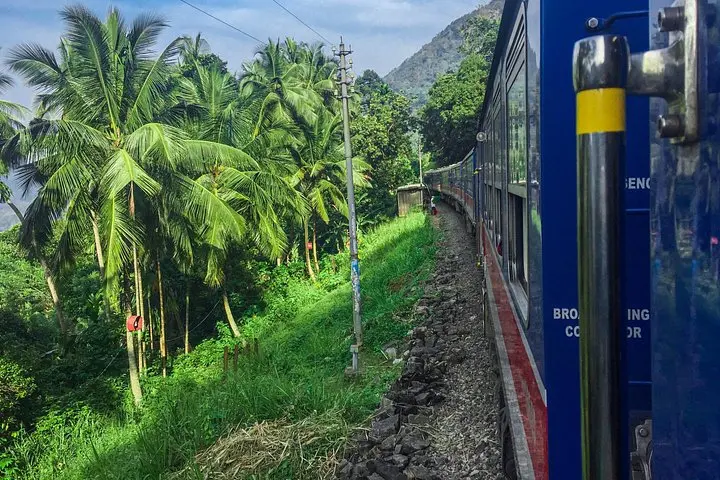
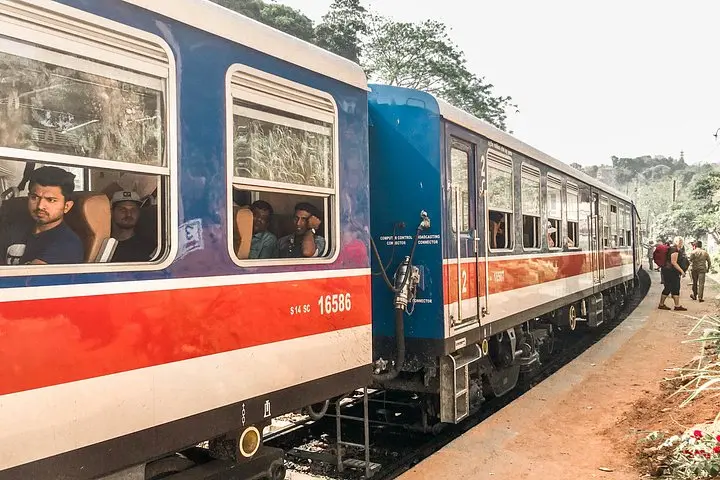
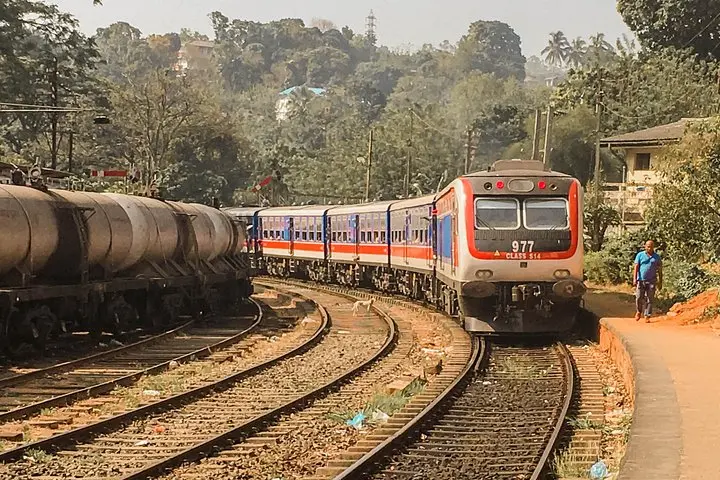
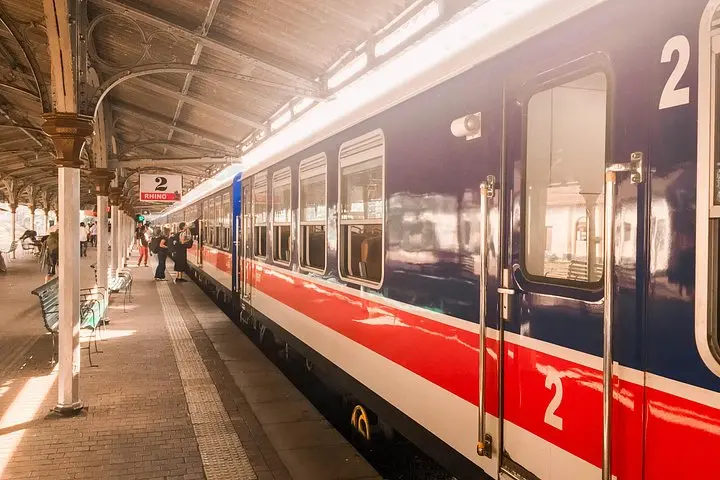
You step off the plane into humid air, the Bandaranaike runway lights receding as your private driver steers toward Negombo’s low-slung shore. The next morning the Fort Station’s platform buzzes—steam, vendors, and the unmistakable click of wheels. Trains become the thread that pulls this island’s landscapes together: paddy flats giving way to mist-draped tea hills, scrubby plains rolling into ancient reservoirs.
Verified experiences and guided adventures in the surrounding area.
Operated by Lakpura LLC · Colombo, Western Province
You step off the plane into humid air, the Bandaranaike runway lights receding as your private driver steers toward Negombo’s low-slung shore. The next morning the Fort Station’s platform buzzes—steam, vendors, and the unmistakable click of wheels. Trains become the thread that pulls this island’s landscapes together: paddy flats giving way to mist-draped tea hills, scrubby plains rolling into ancient reservoirs.
Sri Lanka’s geography is compact but varied. The central highlands—eroded peaks and deep valleys carved from Precambrian rock—hold Nuwara Eliya’s cool, tea-scented air. The north-central plains preserve ruins of Anuradhapura and Polonnaruwa, where irrigation tanks and dagobas recall powerful medieval kingdoms. Along the southwest coast, Dutch and British colonial layers remain visible in Galle’s ramparts and Colombo’s Fort.
Culture here is tactile: temple drums in Kandy, monks’ saffron at cave shrines, and market bargaining over fresh spices. Wildlife edges every region—elephants patrolling lake margins, waterbirds carving the sky—and the land often feels like an active partner, nudging you toward a view or a village.
Practical guidance: trains are scenic but can be slow—book key legs ahead and allow buffer time; bring layered clothing for the highlands, a lightweight rain shell for monsoon-prone afternoons, and comfortable shoes for short treks and Sigiriya’s stair climb. Cash and small notes are handy in markets and for station vendors; carry a refillable water bottle and basic meds for motion and altitude adjustments. Expect comfortable hotels in towns and an itinerary paced for sight-seeing rather than rushed transit. For travelers who want nature, history, and moving-picture scenery without backcountry rigors, this twelve-day circuit delivers both rhythm and range.
Key express trains offer reserved seating and observation cars; booking ahead secures better seats—expect basic but functional comfort on intercity services.
Many transfers and short walks are required; some sites (Sigiriya, steep temple steps) are strenuous—notify operators of mobility needs and they can adapt portions of the itinerary.
Hotels provide most meals and local restaurants cater to common diets; inform your guide in advance for vegetarian or allergy requirements and carry snacks for long rail legs.
Bring basic first-aid, motion-sickness remedies and any prescription meds; use bottled or filtered water, practice sun protection and follow park rules around wildlife.
Lakpura LLC operates guided outdoor trips and adventures with an emphasis on safety, stewardship, and memorable experiences.
You step off the plane into humid air, the Bandaranaike runway lights receding as your private driver steers toward Negombo’s low-slung shore. The next morning the Fort Station’s platform buzzes—steam, vendors, and the unmistakable click of wheels. Trains become the thread that pulls this island’s landscapes together: paddy flats giving way to mist-draped tea hills, scrubby plains rolling into ancient reservoirs.
You step off the plane into humid air, the Bandaranaike runway lights receding as your private driver steers toward Negombo’s low-slung shore. The next morning the Fort Station’s platform buzzes—steam, vendors, and the unmistakable click of wheels. Trains become the thread that pulls this island’s landscapes together: paddy flats giving way to mist-draped tea hills, scrubby plains rolling into ancient reservoirs.
Sri Lanka’s geography is compact but varied. The central highlands—eroded peaks and deep valleys carved from Precambrian rock—hold Nuwara Eliya’s cool, tea-scented air. The north-central plains preserve ruins of Anuradhapura and Polonnaruwa, where irrigation tanks and dagobas recall powerful medieval kingdoms. Along the southwest coast, Dutch and British colonial layers remain visible in Galle’s ramparts and Colombo’s Fort.
Culture here is tactile: temple drums in Kandy, monks’ saffron at cave shrines, and market bargaining over fresh spices. Wildlife edges every region—elephants patrolling lake margins, waterbirds carving the sky—and the land often feels like an active partner, nudging you toward a view or a village.
Practical guidance: trains are scenic but can be slow—book key legs ahead and allow buffer time; bring layered clothing for the highlands, a lightweight rain shell for monsoon-prone afternoons, and comfortable shoes for short treks and Sigiriya’s stair climb. Cash and small notes are handy in markets and for station vendors; carry a refillable water bottle and basic meds for motion and altitude adjustments. Expect comfortable hotels in towns and an itinerary paced for sight-seeing rather than rushed transit. For travelers who want nature, history, and moving-picture scenery without backcountry rigors, this twelve-day circuit delivers both rhythm and range.