THE ADVENTURE COLLECTIVE® · Independent discovery and booking for outdoor travel

Step off the resort and into Higüey’s bustling plazas, basilica and markets on a half‑day guided tour. Discover local cuisine, a cocoa and cigar stop, and daily Dominican life with practical tips for timing, footwear and spending.
Step off the resort and into Higüey’s bustling plazas, basilica and markets on a half‑day guided tour. Discover local cuisine, a cocoa and cigar stop, and daily Dominican life with practical tips for timing, footwear and spending.
A sun‑heated avenue leads from the air‑conditioned van to the broad plaza in front of La Basílica — the Caribbean light hits its concrete curves and the crowd parts like a current. Travelers step from resort calm into the rhythm of Higüey: vendors calling out fruit and spices, church bells marking time, and the scent of roasting coffee drifting from a small plantation visit.
Verified experiences and guided adventures in the surrounding area.
Operated by PLEASANT TOURS · Higüey (Salvaleón de Higüey), La Altagracia
A sun‑heated avenue leads from the air‑conditioned van to the broad plaza in front of La Basílica — the Caribbean light hits its concrete curves and the crowd parts like a current. Travelers step from resort calm into the rhythm of Higüey: vendors calling out fruit and spices, church bells marking time, and the scent of roasting coffee drifting from a small plantation visit.
Higüey (Salvaleón de Higüey) traces roots to Taino place‑names and colonial Hispaniola. The modern basilica, completed in the 20th century, anchors the town’s religious life; nearby markets and family homes show how Dominican traditions and Spanish colonial layers combine. Geologically the region sits on low coastal plains — flat, walkable streets give way near the market to cobbles and packed earth. Cultural points of interest include a municipal market, a working cigar and cocoa operation, and a visit to a typical Dominican house where recipes and daily routines are on display.
On a practical level expect about 4.5 hours on tour with moderate standing and short walks (total walking roughly 1–3 km). Terrain is urban: flat sidewalks, occasional steps and uneven stones in market alleys. Bring a hat, sunscreen and reusable water bottle — the Caribbean sun is insistent and the town offers limited shaded stretches. Comfortable walking shoes are essential; cash (Dominican pesos) helps with small purchases. Morning departures avoid midday heat and the market is liveliest then. The experience is less about long hikes and more about sensory detail: the spice aromas daring you to taste, the local voices pulling you forward into everyday life.
Most operators offer hotel pickup within the Punta Cana area; confirm your pickup point at booking and expect a pickup window before the tour start.
Guides commonly speak Spanish and English; verify language availability when reserving to ensure a guide in your preferred language.
Yes — the tour includes a stop at La Basílica where visitors may enter; dress respectfully as it is an active place of worship.
The itinerary includes a market visit and stops at a coffee/cocoa site; small tastings or purchases are often available but not all meals are included.
PLEASANT TOURS operates guided outdoor trips and adventures with an emphasis on safety, stewardship, and memorable experiences.
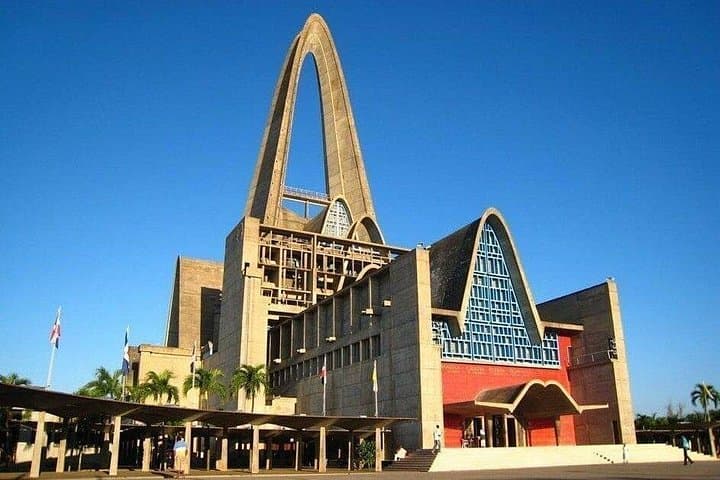
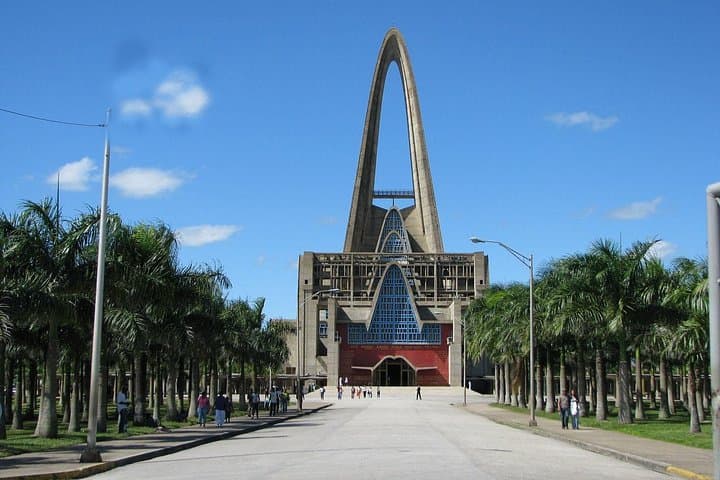

A sun‑heated avenue leads from the air‑conditioned van to the broad plaza in front of La Basílica — the Caribbean light hits its concrete curves and the crowd parts like a current. Travelers step from resort calm into the rhythm of Higüey: vendors calling out fruit and spices, church bells marking time, and the scent of roasting coffee drifting from a small plantation visit.
A sun‑heated avenue leads from the air‑conditioned van to the broad plaza in front of La Basílica — the Caribbean light hits its concrete curves and the crowd parts like a current. Travelers step from resort calm into the rhythm of Higüey: vendors calling out fruit and spices, church bells marking time, and the scent of roasting coffee drifting from a small plantation visit.
Higüey (Salvaleón de Higüey) traces roots to Taino place‑names and colonial Hispaniola. The modern basilica, completed in the 20th century, anchors the town’s religious life; nearby markets and family homes show how Dominican traditions and Spanish colonial layers combine. Geologically the region sits on low coastal plains — flat, walkable streets give way near the market to cobbles and packed earth. Cultural points of interest include a municipal market, a working cigar and cocoa operation, and a visit to a typical Dominican house where recipes and daily routines are on display.
On a practical level expect about 4.5 hours on tour with moderate standing and short walks (total walking roughly 1–3 km). Terrain is urban: flat sidewalks, occasional steps and uneven stones in market alleys. Bring a hat, sunscreen and reusable water bottle — the Caribbean sun is insistent and the town offers limited shaded stretches. Comfortable walking shoes are essential; cash (Dominican pesos) helps with small purchases. Morning departures avoid midday heat and the market is liveliest then. The experience is less about long hikes and more about sensory detail: the spice aromas daring you to taste, the local voices pulling you forward into everyday life.