THE ADVENTURE COLLECTIVE® · Independent discovery and booking for outdoor travel

A full-day private tour that pairs a 7.5 km, three-hour hike through Agia Irini Gorge with an afternoon at Sougia’s pebble beach. Expect limestone canyons, endemic plants, and a seaside finish with fresh taverna fare.
A full-day private tour that pairs a 7.5 km, three-hour hike through Agia Irini Gorge with an afternoon at Sougia’s pebble beach. Expect limestone canyons, endemic plants, and a seaside finish with fresh taverna fare.
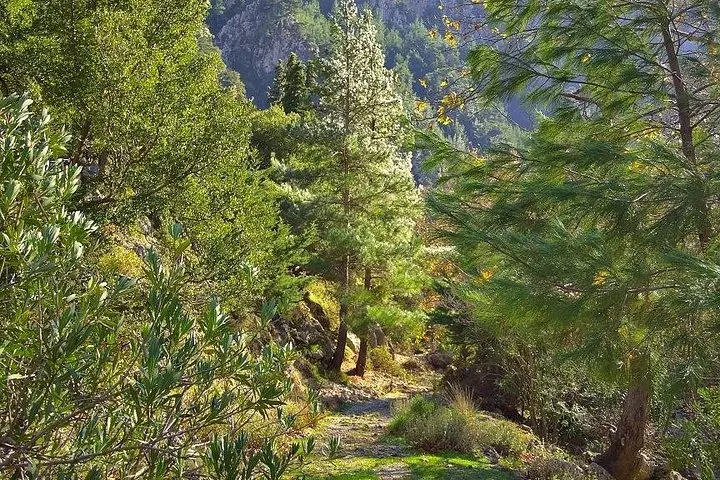
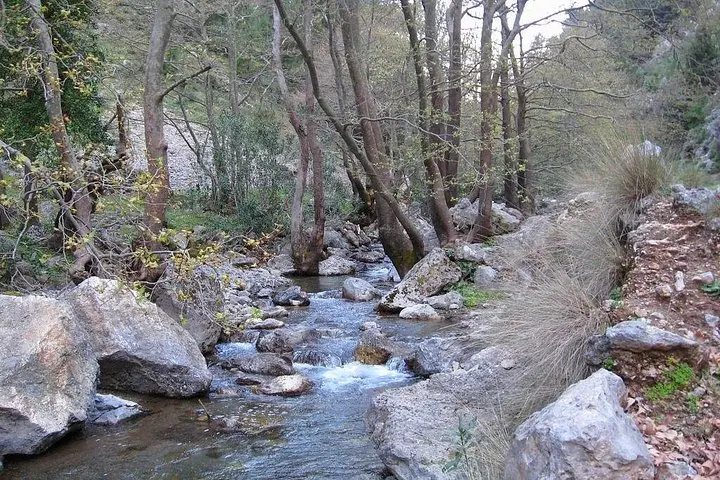
Morning light filters through plane trees as you step off the village lane in Agia Irini and into a cool canyon that feels a world away from Crete’s busier coasts. The gorge narrows and opens in turn, a route carved from limestone and marl where the trail follows a seasonal stream, patches of aromatic herbs, and shaded steps cut by generations of shepherds.
Verified experiences and guided adventures in the surrounding area.
Operated by Εδέμ · Sougia, Crete
Morning light filters through plane trees as you step off the village lane in Agia Irini and into a cool canyon that feels a world away from Crete’s busier coasts. The gorge narrows and opens in turn, a route carved from limestone and marl where the trail follows a seasonal stream, patches of aromatic herbs, and shaded steps cut by generations of shepherds.
Geology here tells of uplift and erosion; the White Mountains shed water that chiseled the gorge into channels, cliffs and pockets where endemic wildflowers cling. The trail begins near the small mountain hamlet of Agia Irini (~560 m elevation) and runs roughly 7.5 km to the sea, offering changing habitats — oak and plane stands give way to scrub and rocky shelves as you descend toward Sougia.
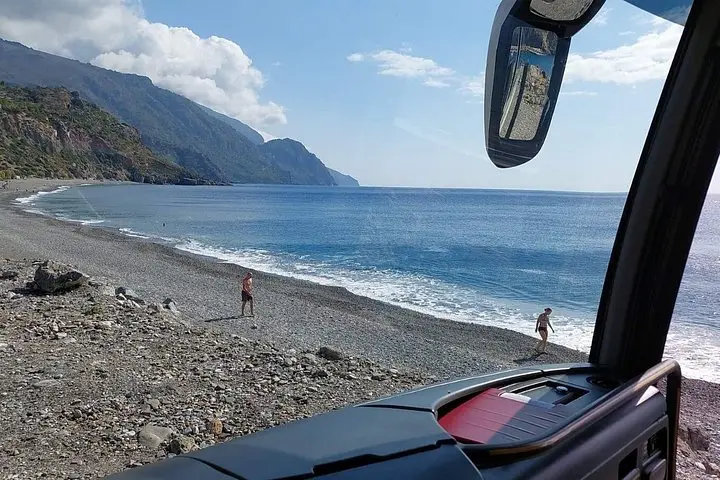
Culturally, the route is part hiking path, part historical corridor: ancient shepherd trails and the remnants of Byzantine-era footways underscore how locals have long moved between upland villages and the south coast. At day’s end Sougia rewards with a pebble beach and clear, cool water, plus tavernas serving caught fish and Cretan meze.
Practical guidance: allow three hours for the descent (longer with stops), wear sturdy shoes with good grip, carry at least 2 liters of water and sun protection, and expect simple, uneven terrain — not technical but steady on the knees. Start early in summer to avoid heat; pair the hike with a relaxed afternoon swim and a late lunch in Sougia for a full-day balance of movement and coastal recovery.
The walking section is approximately 7.5 km and typically takes about 3 hours one-way depending on pace and stops.
Yes — the trail is non-technical but uneven; travelers should have a moderate fitness level and be comfortable on rocky paths.
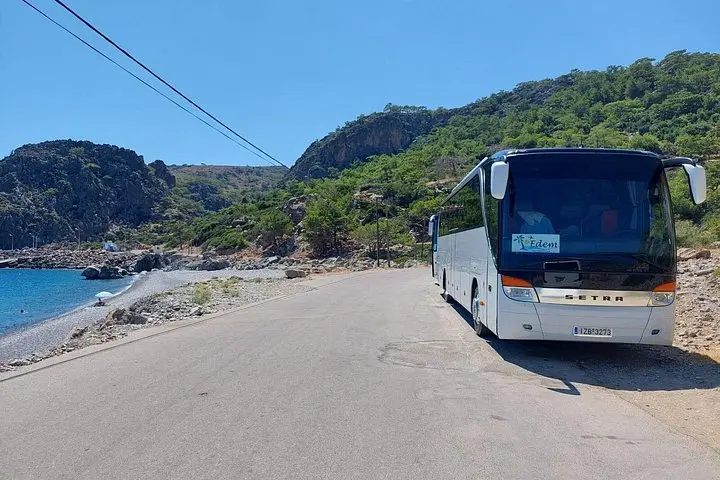
Private transport, bottled water, air-conditioned vehicle, and a private guide; meals are not usually included beyond provided water.
Yes — infant seats are available, but the operator advises against participation for those with serious joint, back, heart conditions, or pregnant travelers.
Εδέμ operates guided outdoor trips and adventures with an emphasis on safety, stewardship, and memorable experiences.
Morning light filters through plane trees as you step off the village lane in Agia Irini and into a cool canyon that feels a world away from Crete’s busier coasts. The gorge narrows and opens in turn, a route carved from limestone and marl where the trail follows a seasonal stream, patches of aromatic herbs, and shaded steps cut by generations of shepherds.
Morning light filters through plane trees as you step off the village lane in Agia Irini and into a cool canyon that feels a world away from Crete’s busier coasts. The gorge narrows and opens in turn, a route carved from limestone and marl where the trail follows a seasonal stream, patches of aromatic herbs, and shaded steps cut by generations of shepherds.
Geology here tells of uplift and erosion; the White Mountains shed water that chiseled the gorge into channels, cliffs and pockets where endemic wildflowers cling. The trail begins near the small mountain hamlet of Agia Irini (~560 m elevation) and runs roughly 7.5 km to the sea, offering changing habitats — oak and plane stands give way to scrub and rocky shelves as you descend toward Sougia.
Culturally, the route is part hiking path, part historical corridor: ancient shepherd trails and the remnants of Byzantine-era footways underscore how locals have long moved between upland villages and the south coast. At day’s end Sougia rewards with a pebble beach and clear, cool water, plus tavernas serving caught fish and Cretan meze.
Practical guidance: allow three hours for the descent (longer with stops), wear sturdy shoes with good grip, carry at least 2 liters of water and sun protection, and expect simple, uneven terrain — not technical but steady on the knees. Start early in summer to avoid heat; pair the hike with a relaxed afternoon swim and a late lunch in Sougia for a full-day balance of movement and coastal recovery.