THE ADVENTURE COLLECTIVE® · Independent discovery and booking for outdoor travel

A gentle 4–5 hour hike from Margarites to the archaeological site of Ancient Eleftherna that blends easy walking through olive groves with visits to Hellenistic ruins and traditional pottery workshops. Ideal for walkers who want archaeology, scenery, and local culture in one outing.
A gentle 4–5 hour hike from Margarites to the archaeological site of Ancient Eleftherna that blends easy walking through olive groves with visits to Hellenistic ruins and traditional pottery workshops. Ideal for walkers who want archaeology, scenery, and local culture in one outing.
You start on a sun-warmed lane, olive trees shading stone walls while Psiloritis (Mount Ida) looms dark and ragged to the south. Footsteps on packed earth lead past shrubs heavy with thyme; the valley opens and, like a storybook revealed page by page, the low outlines of the ancient city appear—masonry half-buried, tombs cut into the rock.
Verified experiences and guided adventures in the surrounding area.
Operated by Alternative Crete · Margarites, Crete
You start on a sun-warmed lane, olive trees shading stone walls while Psiloritis (Mount Ida) looms dark and ragged to the south. Footsteps on packed earth lead past shrubs heavy with thyme; the valley opens and, like a storybook revealed page by page, the low outlines of the ancient city appear—masonry half-buried, tombs cut into the rock.
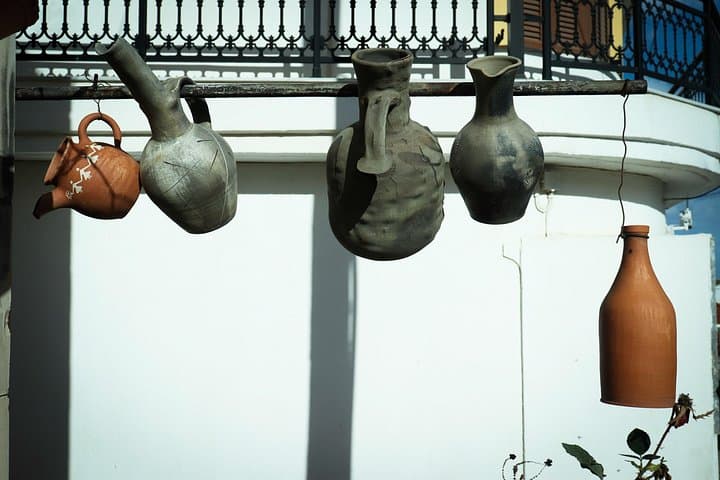
Ancient Eleftherna was occupied from the Geometric through Byzantine eras and echoes of Roman and Hellenistic phases remain in scattered foundations and burial grounds. Geologically, this part of central-west Crete is limestone folded by Pleistocene uplift; the soil is thin, producing the low, wind-sculpted olive groves the region is known for. Margarites village adds a human layer: a living pottery tradition and kafenio culture where locals trade news over coffee.
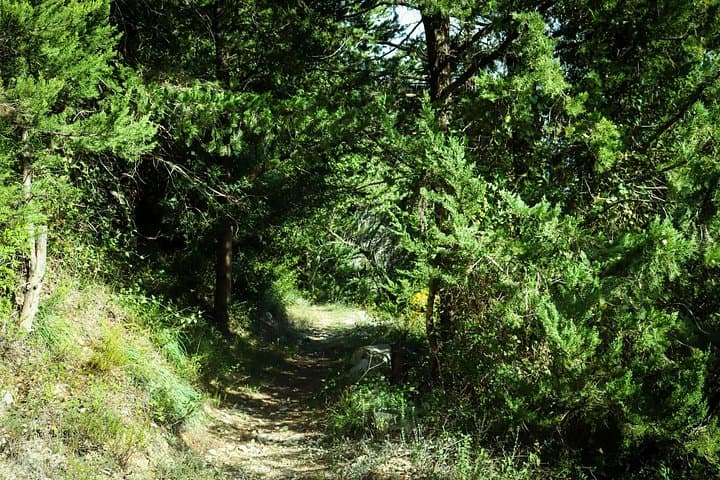
On the trail expect mostly flat, well-defined paths, agricultural tracks, and short paved stretches—roughly 10–12 km roundtrip over 4–5 hours depending on stops. The route threads vineyards, semi-abandoned hamlets, and the Hellenistic bridge, offering steady views rather than steep climbs. Practicalities matter: midday sun is strong, spring can be wildflower-rich but muddy after rain, and winter can be chilly with northerly winds.
Bring sturdy shoes, at least 1L of water, sun protection, and a light layer. Plan for a relaxed pace to visit pottery workshops and a kafenio stop—this is as much cultural walking as it is archaeology. With minimal technical demands, the hike rewards with quiet ruins, fragrant scrub, and the pulse of rural Cretan life.
Expect about 4–5 hours roundtrip and roughly 10–12 km of mostly easy terrain with limited elevation change—moderate due to duration rather than steep climbs.
Small villages like Margarites have tavernas and a kafenio; carry water between settlements, though guides often provide a bottled water and light snack.
Yes, the route is family-friendly if participants are used to multi-hour walks; adjust pace and plan rest stops in villages.
No technical skills or specialized equipment are required—good footwear and sun protection are sufficient for this hike.
Alternative Crete operates guided outdoor trips and adventures with an emphasis on safety, stewardship, and memorable experiences.
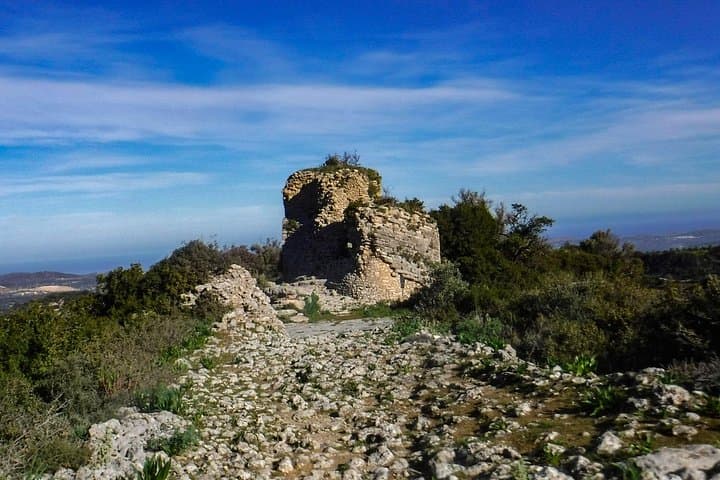
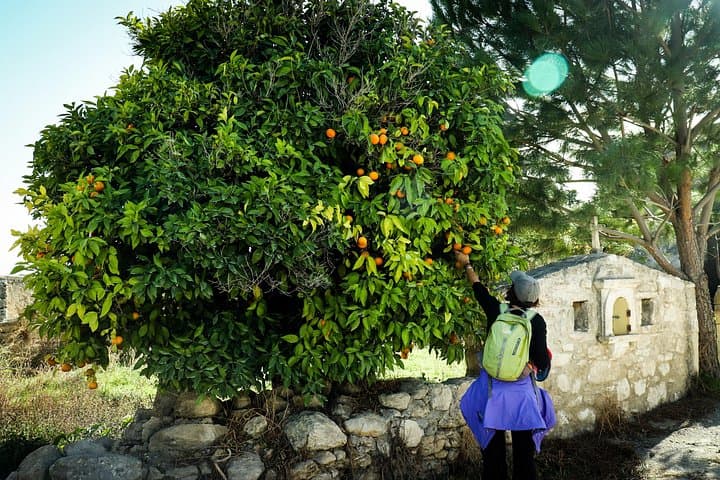
You start on a sun-warmed lane, olive trees shading stone walls while Psiloritis (Mount Ida) looms dark and ragged to the south. Footsteps on packed earth lead past shrubs heavy with thyme; the valley opens and, like a storybook revealed page by page, the low outlines of the ancient city appear—masonry half-buried, tombs cut into the rock.
You start on a sun-warmed lane, olive trees shading stone walls while Psiloritis (Mount Ida) looms dark and ragged to the south. Footsteps on packed earth lead past shrubs heavy with thyme; the valley opens and, like a storybook revealed page by page, the low outlines of the ancient city appear—masonry half-buried, tombs cut into the rock.
Ancient Eleftherna was occupied from the Geometric through Byzantine eras and echoes of Roman and Hellenistic phases remain in scattered foundations and burial grounds. Geologically, this part of central-west Crete is limestone folded by Pleistocene uplift; the soil is thin, producing the low, wind-sculpted olive groves the region is known for. Margarites village adds a human layer: a living pottery tradition and kafenio culture where locals trade news over coffee.
On the trail expect mostly flat, well-defined paths, agricultural tracks, and short paved stretches—roughly 10–12 km roundtrip over 4–5 hours depending on stops. The route threads vineyards, semi-abandoned hamlets, and the Hellenistic bridge, offering steady views rather than steep climbs. Practicalities matter: midday sun is strong, spring can be wildflower-rich but muddy after rain, and winter can be chilly with northerly winds.
Bring sturdy shoes, at least 1L of water, sun protection, and a light layer. Plan for a relaxed pace to visit pottery workshops and a kafenio stop—this is as much cultural walking as it is archaeology. With minimal technical demands, the hike rewards with quiet ruins, fragrant scrub, and the pulse of rural Cretan life.