THE ADVENTURE COLLECTIVE® · Independent discovery and booking for outdoor travel

Spend two days hiking a local 600m mountain with a veteran guide, then unwind in a private Showa-era home where meals use seasonal local ingredients. Expect three hours on varied trail and a cozy, retro night by the kotatsu.
Spend two days hiking a local 600m mountain with a veteran guide, then unwind in a private Showa-era home where meals use seasonal local ingredients. Expect three hours on varied trail and a cozy, retro night by the kotatsu.
Morning mist lifts off a small ridge and the guide—weathered hands, easy pace—draws you up a compact trail that locals use for weekend respite. The path alternates between cedar shade and open scrub, and after thirty minutes the valley noise of cars fades into bird calls and the faint chatter of a distant stream. By the summit, at roughly 600 meters, a cleared ledge gives a wide view over patchwork rice fields and suburban ridgelines toward Osaka.
Verified experiences and guided adventures in the surrounding area.
Operated by NASORI TOUR · Osaka, Osaka Prefecture
Morning mist lifts off a small ridge and the guide—weathered hands, easy pace—draws you up a compact trail that locals use for weekend respite. The path alternates between cedar shade and open scrub, and after thirty minutes the valley noise of cars fades into bird calls and the faint chatter of a distant stream. By the summit, at roughly 600 meters, a cleared ledge gives a wide view over patchwork rice fields and suburban ridgelines toward Osaka.
These low mountains around Osaka Prefecture are worn from centuries of local use: terraced farming on lower slopes, simple Shinto shrines tucked into gullies, and trails that follow old boundary lines. Geologically the hills are composed of weathered sedimentary rock and volcanic ash deposits that create quick-draining soils and a mix of planted cedar and native broadleaf forest. Culturally, the overnight stay in a Showa-era house delivers a tangible snapshot of postwar Japan—retro cabinetry, kotatsu evenings, and meals built around seasonal vegetables and fermented preserves.
Practical guidance: the guided hike runs about three hours with modest elevation gain—good for beginners with reasonable fitness. Expect uneven roots, narrow singletrack, and short sections of loose scree near the top; the veteran guide provides a safety briefing and route notes. Pack layered clothing, waterproof outerwear, and at least 1.5–2 liters of water for the hike. Public transport reaches the village edge but plan for a short transfer to the house. Overnight guests should be ready for futon sleeping and limited Wi‑Fi—this is a stay that prioritizes quiet and local rhythm over modern convenience.
Yes—routes are guided, three hours long with manageable elevation gain; beginners should still have basic stamina and be comfortable on uneven ground.
Yes—the package is a private group stay in a detached Showa-era house with traditional sleeping options like futon.
Guides are experienced but may not be fully fluent in English; they will provide route safety and cultural insights and try to communicate clearly.
Public transport reaches nearby towns; expect a short local transfer—confirm pickup or nearest station with the operator when booking.
NASORI TOUR operates guided outdoor trips and adventures with an emphasis on safety, stewardship, and memorable experiences.
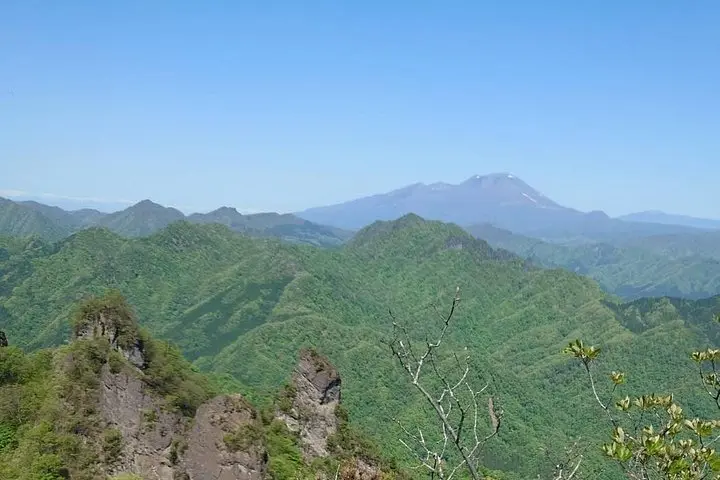
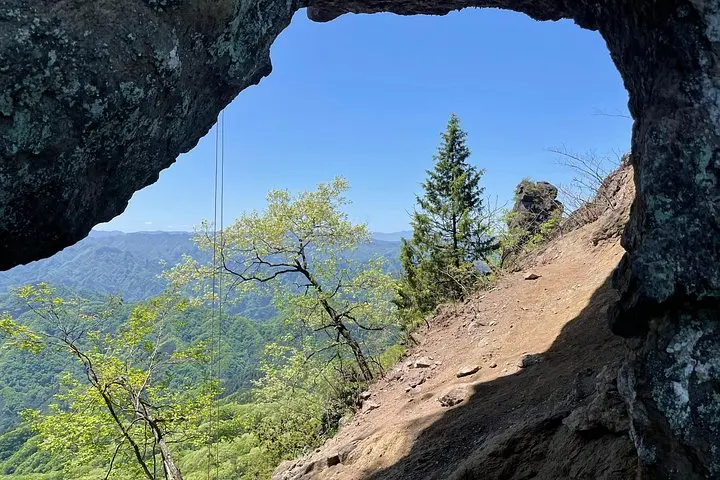
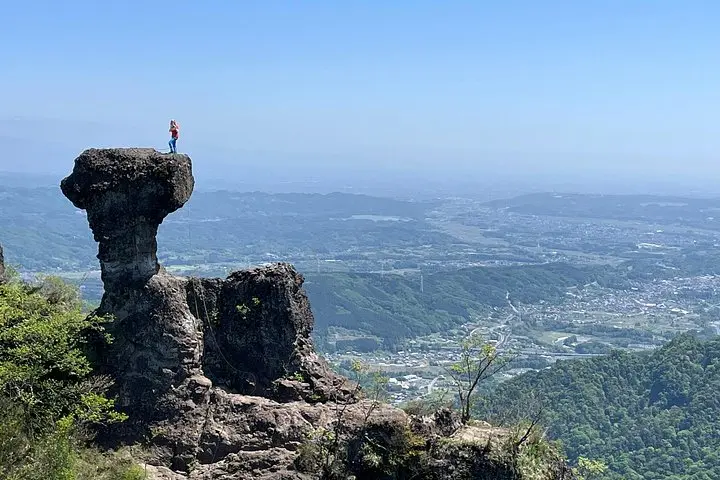
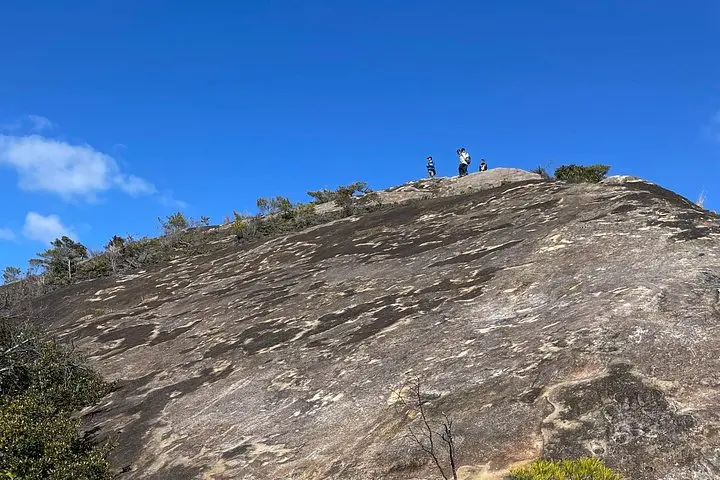
Morning mist lifts off a small ridge and the guide—weathered hands, easy pace—draws you up a compact trail that locals use for weekend respite. The path alternates between cedar shade and open scrub, and after thirty minutes the valley noise of cars fades into bird calls and the faint chatter of a distant stream. By the summit, at roughly 600 meters, a cleared ledge gives a wide view over patchwork rice fields and suburban ridgelines toward Osaka.
Morning mist lifts off a small ridge and the guide—weathered hands, easy pace—draws you up a compact trail that locals use for weekend respite. The path alternates between cedar shade and open scrub, and after thirty minutes the valley noise of cars fades into bird calls and the faint chatter of a distant stream. By the summit, at roughly 600 meters, a cleared ledge gives a wide view over patchwork rice fields and suburban ridgelines toward Osaka.
These low mountains around Osaka Prefecture are worn from centuries of local use: terraced farming on lower slopes, simple Shinto shrines tucked into gullies, and trails that follow old boundary lines. Geologically the hills are composed of weathered sedimentary rock and volcanic ash deposits that create quick-draining soils and a mix of planted cedar and native broadleaf forest. Culturally, the overnight stay in a Showa-era house delivers a tangible snapshot of postwar Japan—retro cabinetry, kotatsu evenings, and meals built around seasonal vegetables and fermented preserves.
Practical guidance: the guided hike runs about three hours with modest elevation gain—good for beginners with reasonable fitness. Expect uneven roots, narrow singletrack, and short sections of loose scree near the top; the veteran guide provides a safety briefing and route notes. Pack layered clothing, waterproof outerwear, and at least 1.5–2 liters of water for the hike. Public transport reaches the village edge but plan for a short transfer to the house. Overnight guests should be ready for futon sleeping and limited Wi‑Fi—this is a stay that prioritizes quiet and local rhythm over modern convenience.