THE ADVENTURE COLLECTIVE® · Independent discovery and booking for outdoor travel

Walk a palm-lined canyon, then swim through blue pools to a hidden waterfall—Wadi Shab delivers one of Oman’s most rewarding day adventures. This private tour from Muscat handles transport, boat transfer, and lunch so you can focus on the hike, the water, and the light bouncing off limestone walls.
Walk a palm-lined canyon, then swim through blue pools to a hidden waterfall—Wadi Shab delivers one of Oman’s most rewarding day adventures. This private tour from Muscat handles transport, boat transfer, and lunch so you can focus on the hike, the water, and the light bouncing off limestone walls.
Dawn slips over the Gulf of Oman as the road from Muscat unfurls toward the Hajar Mountains, the desert light sharpening into a clean, bright promise. By mid-morning you’re stepping into a tiny boat to cross the wadi’s entrance channel—five glassy seconds that deliver you from highway noise to the hush of a limestone canyon. The path threads along a falaj irrigation ditch, past date palms and small farms where banana leaves applaud the breeze. Ahead, sandstone steps and boulders call the rhythm: walk, scramble, wade. The water answers by tugging at your calves, daring you deeper into its turquoise corridors.
Verified experiences and guided adventures in the surrounding area.
Operated by Nick · Tiwi, Ash Sharqiyah South
Dawn slips over the Gulf of Oman as the road from Muscat unfurls toward the Hajar Mountains, the desert light sharpening into a clean, bright promise. By mid-morning you’re stepping into a tiny boat to cross the wadi’s entrance channel—five glassy seconds that deliver you from highway noise to the hush of a limestone canyon. The path threads along a falaj irrigation ditch, past date palms and small farms where banana leaves applaud the breeze. Ahead, sandstone steps and boulders call the rhythm: walk, scramble, wade. The water answers by tugging at your calves, daring you deeper into its turquoise corridors.
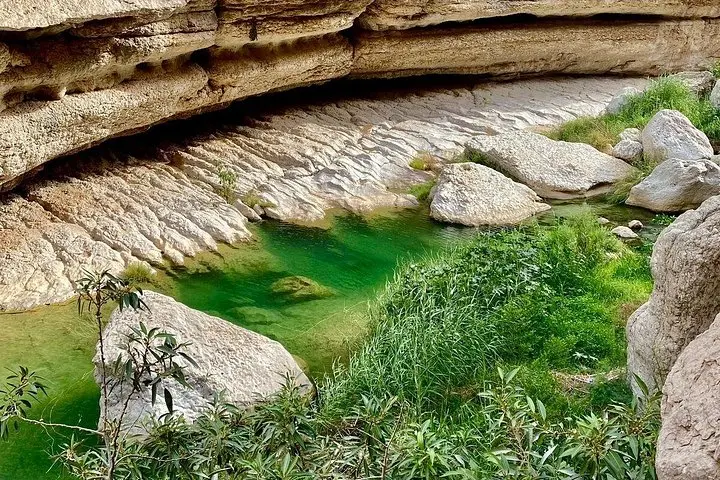
Wadi Shab is classic Oman: austere cliffs hiding a cool, improbable oasis. Carved into Cretaceous–Eocene limestone at the edge of the Hajar, the gorge funnels seasonal rains into clear pools rich with dissolved calcium, which paints the water that photogenic blue-green. For centuries, villagers here have guided water through aflaj channels—an ingenious irrigation system recognized by UNESCO—sustaining papaya, date, and citrus groves in a place that would otherwise wither. Local guides talk of flash floods that can roar through after distant storms; the canyon sets the tempo, and on this private tour you move when the wadi says go.
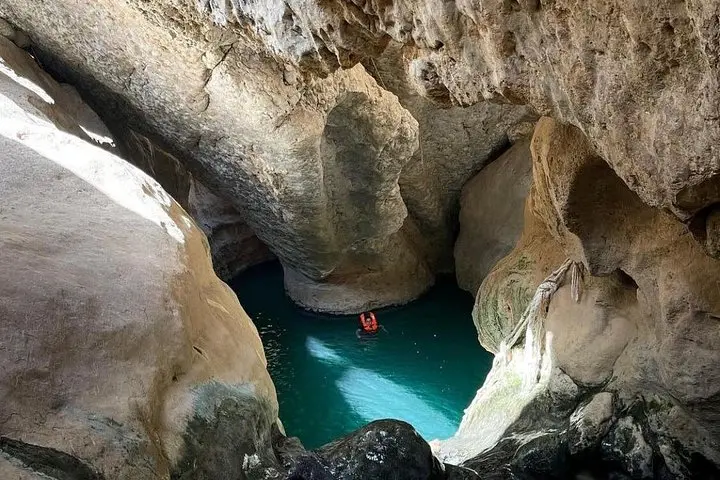
The hike to the swim section takes most travelers 45–60 minutes one way, about 6–7 km round trip with roughly 120 m of total gain. Footing varies from smooth path to uneven boulders and narrow ledges. At the upper pools, the trail yields to water and you swim 200–300 m through three basins, each cooler and clearer than the last, to a narrow slot. Squeeze through and the wadi reveals its secret: a sheltered cavern where a waterfall rushes down polished rock, the current nudging you forward like a friendly shoulder. Life jackets are provided, though confident swimming is strongly advised.
Go early to beat the heat and crowds; winter and spring offer the most comfortable temperatures. Dress for both culture and canyon: quick-dry clothing and a modest swim layer work well. Secure everything in a dry bag. There are restrooms at the parking area but none inside the wadi, and no bins—pack out what you bring in. As with all desert canyons, avoid the wadi if rain is forecast anywhere in the watershed.
Logistics are easy on this private day tour: door-to-door transport from Muscat (about 1.5 hours each way), a short boat transfer at the trailhead, snacks, fruit, lunch, and life jackets. The canyon does the rest—inviting, cooling, and constantly in motion—so you can move with it, unhurried, from rock to pool to cave and back into the sun.
Plan for 6–7 km round trip with about 120 m of elevation gain, plus 200–300 m of swimming through three pools to reach the cave waterfall.
Life jackets are provided, but you should be comfortable swimming in open freshwater; non-swimmers can enjoy the lower pools and scenery without entering deeper sections.
October through April offers cooler hiking conditions. Summer is possible with an early start, extra water, and sun protection.
Closed-toe water shoes or sturdy trail shoes with good wet traction; avoid loose sandals and flip-flops.
Restrooms and small shops are at the parking area only. There are no services inside the wadi—pack out all trash.
Drone policies can change and the canyon is narrow; check current regulations and always avoid flying near people, farms, or the falaj system.
Nick operates guided outdoor trips and adventures with an emphasis on safety, stewardship, and memorable experiences.
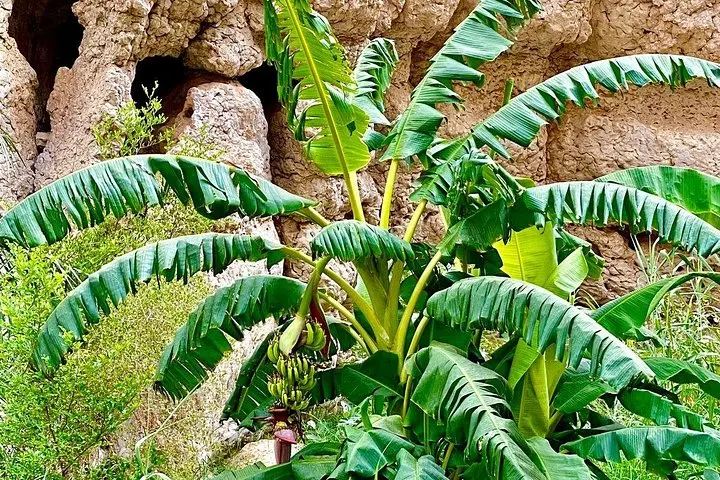
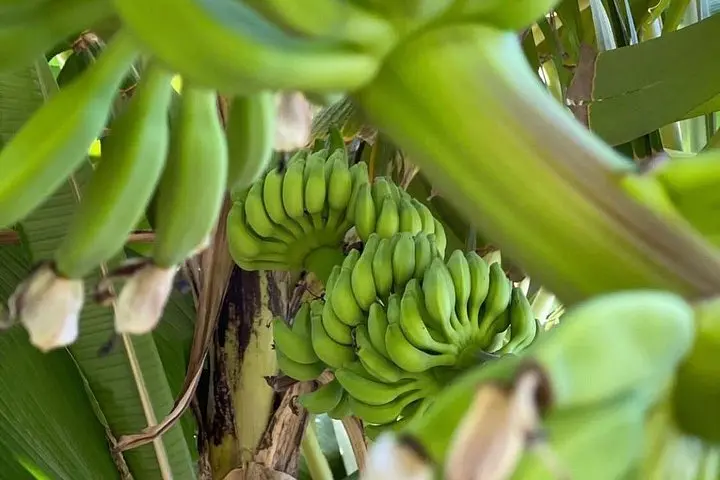
Dawn slips over the Gulf of Oman as the road from Muscat unfurls toward the Hajar Mountains, the desert light sharpening into a clean, bright promise. By mid-morning you’re stepping into a tiny boat to cross the wadi’s entrance channel—five glassy seconds that deliver you from highway noise to the hush of a limestone canyon. The path threads along a falaj irrigation ditch, past date palms and small farms where banana leaves applaud the breeze. Ahead, sandstone steps and boulders call the rhythm: walk, scramble, wade. The water answers by tugging at your calves, daring you deeper into its turquoise corridors.
Dawn slips over the Gulf of Oman as the road from Muscat unfurls toward the Hajar Mountains, the desert light sharpening into a clean, bright promise. By mid-morning you’re stepping into a tiny boat to cross the wadi’s entrance channel—five glassy seconds that deliver you from highway noise to the hush of a limestone canyon. The path threads along a falaj irrigation ditch, past date palms and small farms where banana leaves applaud the breeze. Ahead, sandstone steps and boulders call the rhythm: walk, scramble, wade. The water answers by tugging at your calves, daring you deeper into its turquoise corridors.
Wadi Shab is classic Oman: austere cliffs hiding a cool, improbable oasis. Carved into Cretaceous–Eocene limestone at the edge of the Hajar, the gorge funnels seasonal rains into clear pools rich with dissolved calcium, which paints the water that photogenic blue-green. For centuries, villagers here have guided water through aflaj channels—an ingenious irrigation system recognized by UNESCO—sustaining papaya, date, and citrus groves in a place that would otherwise wither. Local guides talk of flash floods that can roar through after distant storms; the canyon sets the tempo, and on this private tour you move when the wadi says go.
The hike to the swim section takes most travelers 45–60 minutes one way, about 6–7 km round trip with roughly 120 m of total gain. Footing varies from smooth path to uneven boulders and narrow ledges. At the upper pools, the trail yields to water and you swim 200–300 m through three basins, each cooler and clearer than the last, to a narrow slot. Squeeze through and the wadi reveals its secret: a sheltered cavern where a waterfall rushes down polished rock, the current nudging you forward like a friendly shoulder. Life jackets are provided, though confident swimming is strongly advised.
Go early to beat the heat and crowds; winter and spring offer the most comfortable temperatures. Dress for both culture and canyon: quick-dry clothing and a modest swim layer work well. Secure everything in a dry bag. There are restrooms at the parking area but none inside the wadi, and no bins—pack out what you bring in. As with all desert canyons, avoid the wadi if rain is forecast anywhere in the watershed.
Logistics are easy on this private day tour: door-to-door transport from Muscat (about 1.5 hours each way), a short boat transfer at the trailhead, snacks, fruit, lunch, and life jackets. The canyon does the rest—inviting, cooling, and constantly in motion—so you can move with it, unhurried, from rock to pool to cave and back into the sun.