THE ADVENTURE COLLECTIVE® · Independent discovery and booking for outdoor travel

Follow clear pools and polished limestone into one of Oman’s most beloved wadis. This full-day outing pairs a relaxed canyon hike with refreshing swims and a cave waterfall finale—balanced with cultural context, geology, and practical guidance for a smooth day out.
Follow clear pools and polished limestone into one of Oman’s most beloved wadis. This full-day outing pairs a relaxed canyon hike with refreshing swims and a cave waterfall finale—balanced with cultural context, geology, and practical guidance for a smooth day out.
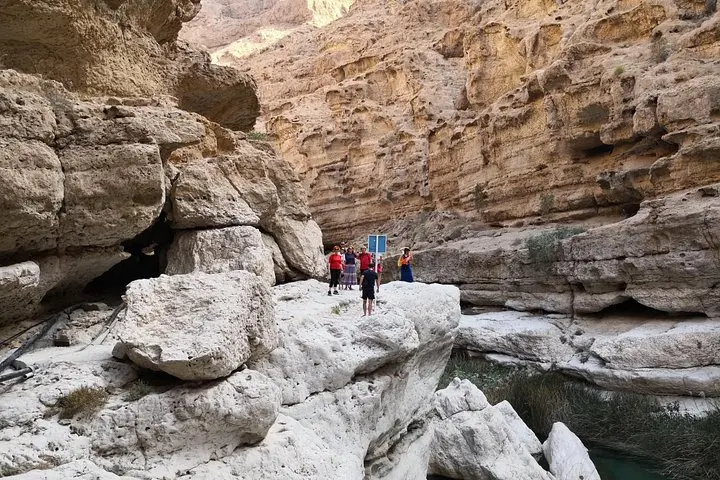
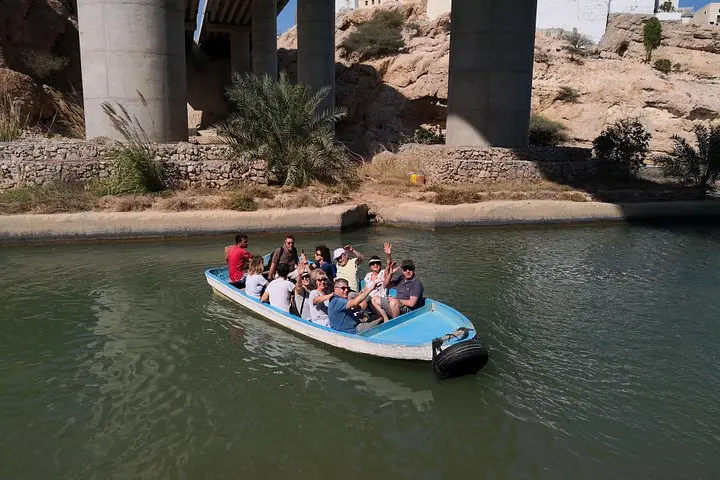
Morning light slides over the Gulf of Oman as the road unwinds south from Muscat. The mountains rise in folds of pale limestone, channels cut by water and time. By the time the van reaches Tiwi, the air smells faintly of salt, and the entrance to Wadi Shab yawns open—an invitation into shade, stone, and clear running water. A short boat shuttle hums across the creek, and then the wadi takes over. The path squeezes along a falaj (ancient irrigation canal), hops boulders, and threads between date palms that rustle like they’re whispering directions. The stream coaxes you upstream, each pool brighter than the last, daring you to jump in.
Verified experiences and guided adventures in the surrounding area.
Operated by OMAN SAFARI · Tiwi, Ash Sharqiyah South
Morning light slides over the Gulf of Oman as the road unwinds south from Muscat. The mountains rise in folds of pale limestone, channels cut by water and time. By the time the van reaches Tiwi, the air smells faintly of salt, and the entrance to Wadi Shab yawns open—an invitation into shade, stone, and clear running water. A short boat shuttle hums across the creek, and then the wadi takes over. The path squeezes along a falaj (ancient irrigation canal), hops boulders, and threads between date palms that rustle like they’re whispering directions. The stream coaxes you upstream, each pool brighter than the last, daring you to jump in.
Wadi Shab sits in Oman’s Ash Sharqiyah South, where soft carbonate rock fractures under seasonal floods that carve the canyon and polish its swimming holes. Pastoral life still hums at the margins—small gardens cling to terraces and aflaj snake through the valley, part of a water-management tradition so refined it’s enshrined by UNESCO. Geology leaves its signature everywhere: honeycombed limestone, smooth chutes, and a cave near the upper pools where a waterfall pulses through a keyhole. In summer, flash floods muscle through this corridor; in winter, cooler air lingers in the shade and keeps the hike steady and comfortable.
Guides set an unhurried pace. Expect roughly 3 kilometers each way with light scrambling, then the payoff: stashing packs on warm rock and swimming the final stretch through a narrow corridor. The water nudges forward, glass-clear and buoyant. If conditions allow, you’ll fin through a slot to the secret waterfall chamber where the canyon echoes with water’s steady drum.
Between dips, there’s time for lunch on sun-washed slabs, for tracing the falaj channels with your fingertips, and for quick side views of the coast on the drive, including the famous Bimmah Sinkhole—another window into the region’s porous bedrock. The rhythm of the day is simple: hike, swim, repeat. The route is non-technical but exposed; start early, carry plenty of water, and plan to get your shoes wet.
Practical notes: the round-trip distance is about 6 kilometers with minimal elevation gain but frequent rock steps and traverses; allow 45–60 minutes hiking each way, plus swimming time. Modest swimwear is appreciated; a rash guard works well. Bring grippy shoes you don’t mind soaking—flip-flops won’t cut it on polished limestone. The boat shuttle at the entrance typically runs for a small cash fee, and basic facilities sit near the parking area. With transport, picnic lunch, and local knowledge handled, you can focus on the cool pull of the pools and the canyon walls quietly steering you upstream.
Plan on about 3 km each way with light scrambling and a final swim to reach the cave waterfall.
You should be comfortable swimming in deep, clear water; a short section requires swimming through a narrow corridor. Float aids may be available—ask your guide.
October through April offers cooler temps and clearer skies. Summer can be extremely hot and afternoon storms may trigger flash floods.
Yes, a small cash fee is usually paid to cross the creek by boat at the start and end of the hike; your guide will assist.
Basic restrooms are available near the parking area; there are no services inside the wadi—pack out all trash.
Modest, quick-dry clothing is appropriate. A rash guard and shorts over swimwear work well for both comfort and respect.
OMAN SAFARI operates guided outdoor trips and adventures with an emphasis on safety, stewardship, and memorable experiences.
Morning light slides over the Gulf of Oman as the road unwinds south from Muscat. The mountains rise in folds of pale limestone, channels cut by water and time. By the time the van reaches Tiwi, the air smells faintly of salt, and the entrance to Wadi Shab yawns open—an invitation into shade, stone, and clear running water. A short boat shuttle hums across the creek, and then the wadi takes over. The path squeezes along a falaj (ancient irrigation canal), hops boulders, and threads between date palms that rustle like they’re whispering directions. The stream coaxes you upstream, each pool brighter than the last, daring you to jump in.
Morning light slides over the Gulf of Oman as the road unwinds south from Muscat. The mountains rise in folds of pale limestone, channels cut by water and time. By the time the van reaches Tiwi, the air smells faintly of salt, and the entrance to Wadi Shab yawns open—an invitation into shade, stone, and clear running water. A short boat shuttle hums across the creek, and then the wadi takes over. The path squeezes along a falaj (ancient irrigation canal), hops boulders, and threads between date palms that rustle like they’re whispering directions. The stream coaxes you upstream, each pool brighter than the last, daring you to jump in.
Wadi Shab sits in Oman’s Ash Sharqiyah South, where soft carbonate rock fractures under seasonal floods that carve the canyon and polish its swimming holes. Pastoral life still hums at the margins—small gardens cling to terraces and aflaj snake through the valley, part of a water-management tradition so refined it’s enshrined by UNESCO. Geology leaves its signature everywhere: honeycombed limestone, smooth chutes, and a cave near the upper pools where a waterfall pulses through a keyhole. In summer, flash floods muscle through this corridor; in winter, cooler air lingers in the shade and keeps the hike steady and comfortable.
Guides set an unhurried pace. Expect roughly 3 kilometers each way with light scrambling, then the payoff: stashing packs on warm rock and swimming the final stretch through a narrow corridor. The water nudges forward, glass-clear and buoyant. If conditions allow, you’ll fin through a slot to the secret waterfall chamber where the canyon echoes with water’s steady drum.
Between dips, there’s time for lunch on sun-washed slabs, for tracing the falaj channels with your fingertips, and for quick side views of the coast on the drive, including the famous Bimmah Sinkhole—another window into the region’s porous bedrock. The rhythm of the day is simple: hike, swim, repeat. The route is non-technical but exposed; start early, carry plenty of water, and plan to get your shoes wet.
Practical notes: the round-trip distance is about 6 kilometers with minimal elevation gain but frequent rock steps and traverses; allow 45–60 minutes hiking each way, plus swimming time. Modest swimwear is appreciated; a rash guard works well. Bring grippy shoes you don’t mind soaking—flip-flops won’t cut it on polished limestone. The boat shuttle at the entrance typically runs for a small cash fee, and basic facilities sit near the parking area. With transport, picnic lunch, and local knowledge handled, you can focus on the cool pull of the pools and the canyon walls quietly steering you upstream.