THE ADVENTURE COLLECTIVE® · Independent discovery and booking for outdoor travel

Ascend granite ridgelines to Baegundae for a 360° view of Seoul and Gyeonggi. This guided 3–4 hour hike from Doseonsa mixes temple valleys, clear streams and exposed rock—ideal for hikers with moderate fitness.
Ascend granite ridgelines to Baegundae for a 360° view of Seoul and Gyeonggi. This guided 3–4 hour hike from Doseonsa mixes temple valleys, clear streams and exposed rock—ideal for hikers with moderate fitness.
You set out from the parking at Doseonsa, the temple bell still warm in the morning air, and the valley ahead threads clear water and granite boulders like a marked route through time.
Verified experiences and guided adventures in the surrounding area.
Operated by Korea Season Tour · Seoul, Seoul
You set out from the parking at Doseonsa, the temple bell still warm in the morning air, and the valley ahead threads clear water and granite boulders like a marked route through time.
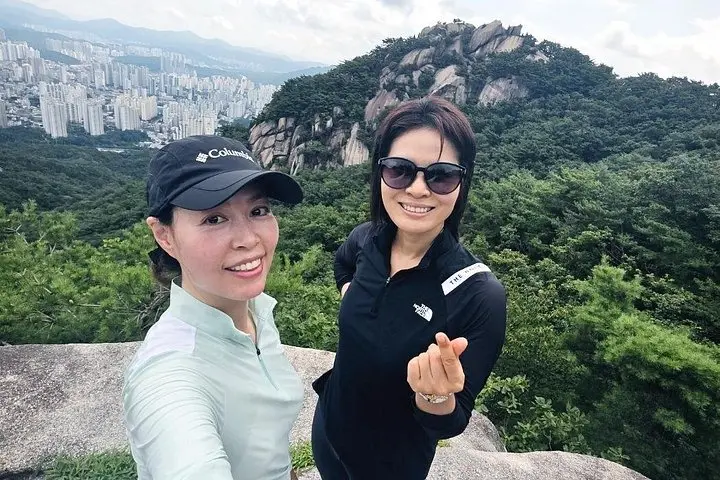
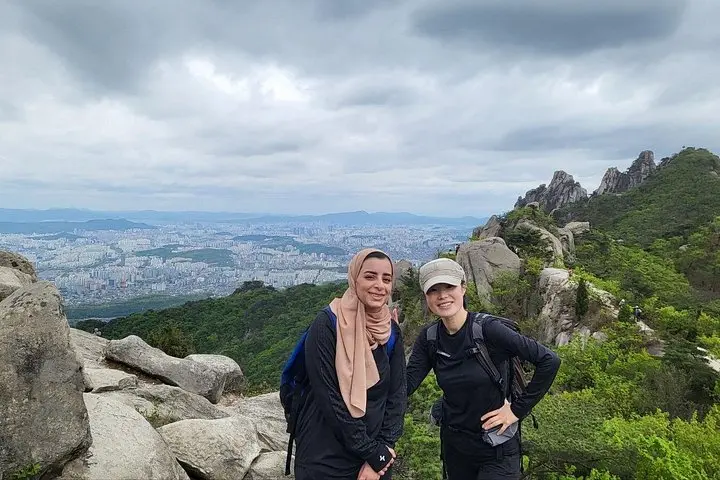
Bukhansan’s granite shoulders rise abruptly from Seoul’s sprawl; Baegundae, the park’s high point at 836.5 meters, gives a 360° sweep across the city and Gyeonggi plain. The mountain’s rocks were sculpted by ancient uplift and slow erosion, leaving steep slabs, vertical faces and small ridgelines used for centuries as natural defenses—Bukhansanseong fortress traces these lines and hints at the area’s Joseon-era strategic role.
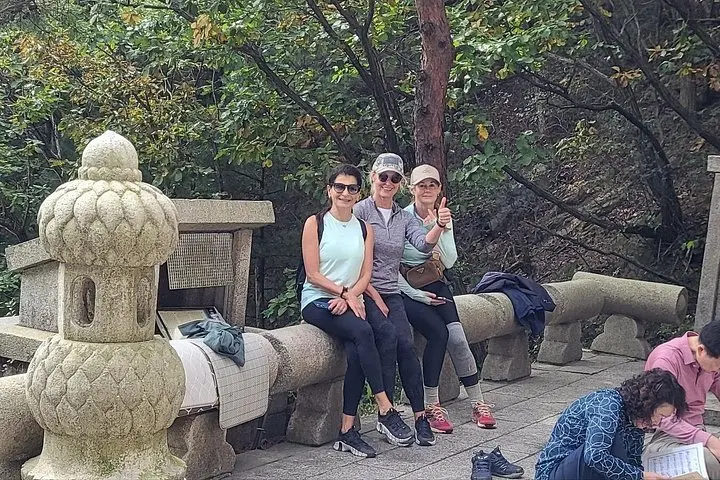
Temples such as Doseonsa sit in shady gullies where clear streams dare you to pause; climbers and locals share the same routes, and spring maples and autumn foliage make the trails vivid. Expect well-worn stone steps, exposed granite slabs, and short steep pitches where hands help balance.
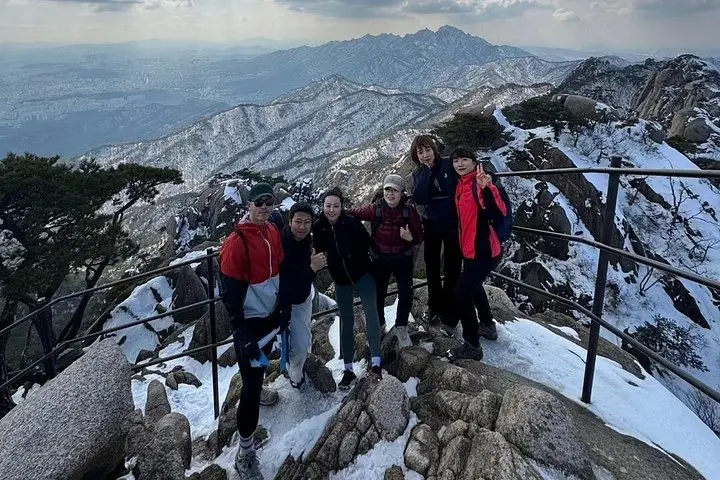
Practical guidance: most guided routes to Baegundae from Doseonsa take about 3–4 hours round trip with roughly 400–600 m of elevation gain depending on the path chosen. Wear sturdy hiking shoes with good traction, bring 1–2 liters of water, and layer for wind at the summit. Avoid the summer monsoon or carry a waterproof; early morning or late afternoon reduces crowds and gives stronger light for the city panorama. Stay on marked trails to protect the fragile alpine vegetation; follow your guide’s pace—routes range from steady walks to scrambly sections—so you finish with the view, not regret.
Guided routes generally take 3–4 hours round trip; actual time depends on route choice and group pace.
No special permit is required for day hiking the common trails, but some seasonal restrictions apply; follow park notices.
Moderate fitness: you should be comfortable with sustained uphill hiking, uneven steps and short scrambling on granite.
Doseonsa is accessible by public transit and local buses from Seoul; many guided tours offer pickup—confirm with your operator.
Korea Season Tour operates guided outdoor trips and adventures with an emphasis on safety, stewardship, and memorable experiences.
You set out from the parking at Doseonsa, the temple bell still warm in the morning air, and the valley ahead threads clear water and granite boulders like a marked route through time.
You set out from the parking at Doseonsa, the temple bell still warm in the morning air, and the valley ahead threads clear water and granite boulders like a marked route through time.
Bukhansan’s granite shoulders rise abruptly from Seoul’s sprawl; Baegundae, the park’s high point at 836.5 meters, gives a 360° sweep across the city and Gyeonggi plain. The mountain’s rocks were sculpted by ancient uplift and slow erosion, leaving steep slabs, vertical faces and small ridgelines used for centuries as natural defenses—Bukhansanseong fortress traces these lines and hints at the area’s Joseon-era strategic role.
Temples such as Doseonsa sit in shady gullies where clear streams dare you to pause; climbers and locals share the same routes, and spring maples and autumn foliage make the trails vivid. Expect well-worn stone steps, exposed granite slabs, and short steep pitches where hands help balance.
Practical guidance: most guided routes to Baegundae from Doseonsa take about 3–4 hours round trip with roughly 400–600 m of elevation gain depending on the path chosen. Wear sturdy hiking shoes with good traction, bring 1–2 liters of water, and layer for wind at the summit. Avoid the summer monsoon or carry a waterproof; early morning or late afternoon reduces crowds and gives stronger light for the city panorama. Stay on marked trails to protect the fragile alpine vegetation; follow your guide’s pace—routes range from steady walks to scrambly sections—so you finish with the view, not regret.