THE ADVENTURE COLLECTIVE® · Independent discovery and booking for outdoor travel

Walk the rim of San Salvador Volcano and peer into El Boquerón’s enormous crater, then step closer to Boqueroncito — a smaller crater nested inside. This half-day tour adds a coffee finca visit and traditional Salvadoran lunch for a compact taste of geology and culture.
Walk the rim of San Salvador Volcano and peer into El Boquerón’s enormous crater, then step closer to Boqueroncito — a smaller crater nested inside. This half-day tour adds a coffee finca visit and traditional Salvadoran lunch for a compact taste of geology and culture.
The path climbs out of traffic and into a cooler wind, the city shrinking below as El Boquerón’s rim asserts itself on the skyline. Hikers arrive at a sweeping lip: a 1.5-kilometer-wide crater that seems to breathe, its inner walls folded and scarred by ancient eruptions. Inside that vast hollow lies Boqueroncito, a smaller crater that pulls the eye and dares you to study its strata.
Verified experiences and guided adventures in the surrounding area.
Operated by Guat2do Travel Experiences · San Salvador, San Salvador
The path climbs out of traffic and into a cooler wind, the city shrinking below as El Boquerón’s rim asserts itself on the skyline. Hikers arrive at a sweeping lip: a 1.5-kilometer-wide crater that seems to breathe, its inner walls folded and scarred by ancient eruptions. Inside that vast hollow lies Boqueroncito, a smaller crater that pulls the eye and dares you to study its strata.
Geology here is immediately legible — layers of ash and lava that built San Salvador Volcano over millennia, its slopes fed by rich volcanic soils. The park’s Nahuat name, Quezaltepeque, hints at cultural ties: locals long recognized the mountain as a landmark and a source of fertile ground for coffee cultivation. On a guided visit you’ll pair crater viewpoints with a short walk through ornamental plants such as hydrangeas and begonias, and a stop at a nearby coffee finca to see why volcanic soils produce prized beans.
Expect a well-marked, moderately steep trail with steps and railings, four formal viewpoints and cool breezes that make a sweater useful year-round. The tour runs about 4–5 hours including transport from San Salvador, a coffee stop and lunch with Salvadoran dishes. Bring sturdy shoes, sun protection, and water; start early for clearer views and to avoid afternoon clouds that can roll into the crater. Respect trail boundaries — the park is protected, and staying on path preserves fragile soils and habitat for armadillos and birds. This is a compact, accessible volcanic hike that mixes geology, local agriculture and practical sightseeing into a single half-day adventure.
The San Salvador Volcano rises above 1,800 meters; the park’s rim sits around that elevation so expect cooler temperatures than the city.
Older children who can handle stairs and moderate uphill walking can do the trail, but the tour advises moderate fitness and is not ideal for very young kids.
The advertised tour includes the El Boquerón entrance fee and a certified guide; verify what’s covered when booking.
Yes — small mammals like armadillos and foxes, plus various birds, are present; sightings aren’t guaranteed but are possible on quieter sections.
Guat2do Travel Experiences operates guided outdoor trips and adventures with an emphasis on safety, stewardship, and memorable experiences.
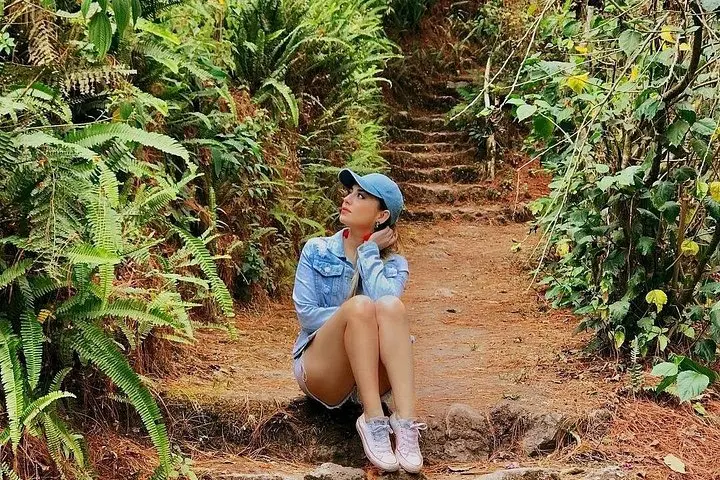
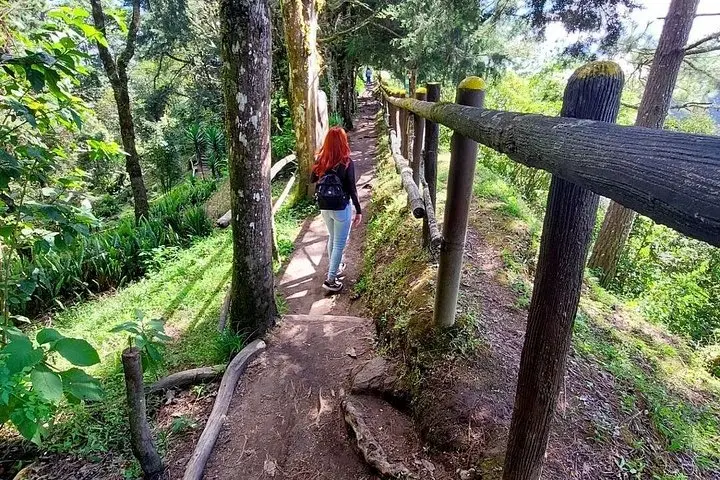
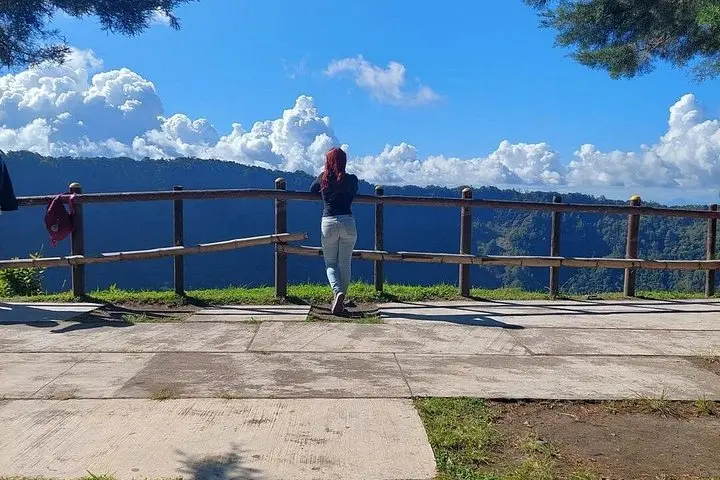
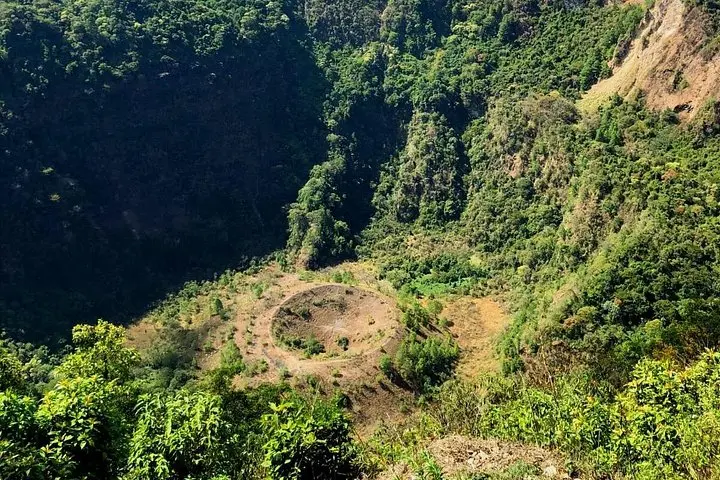
The path climbs out of traffic and into a cooler wind, the city shrinking below as El Boquerón’s rim asserts itself on the skyline. Hikers arrive at a sweeping lip: a 1.5-kilometer-wide crater that seems to breathe, its inner walls folded and scarred by ancient eruptions. Inside that vast hollow lies Boqueroncito, a smaller crater that pulls the eye and dares you to study its strata.
The path climbs out of traffic and into a cooler wind, the city shrinking below as El Boquerón’s rim asserts itself on the skyline. Hikers arrive at a sweeping lip: a 1.5-kilometer-wide crater that seems to breathe, its inner walls folded and scarred by ancient eruptions. Inside that vast hollow lies Boqueroncito, a smaller crater that pulls the eye and dares you to study its strata.
Geology here is immediately legible — layers of ash and lava that built San Salvador Volcano over millennia, its slopes fed by rich volcanic soils. The park’s Nahuat name, Quezaltepeque, hints at cultural ties: locals long recognized the mountain as a landmark and a source of fertile ground for coffee cultivation. On a guided visit you’ll pair crater viewpoints with a short walk through ornamental plants such as hydrangeas and begonias, and a stop at a nearby coffee finca to see why volcanic soils produce prized beans.
Expect a well-marked, moderately steep trail with steps and railings, four formal viewpoints and cool breezes that make a sweater useful year-round. The tour runs about 4–5 hours including transport from San Salvador, a coffee stop and lunch with Salvadoran dishes. Bring sturdy shoes, sun protection, and water; start early for clearer views and to avoid afternoon clouds that can roll into the crater. Respect trail boundaries — the park is protected, and staying on path preserves fragile soils and habitat for armadillos and birds. This is a compact, accessible volcanic hike that mixes geology, local agriculture and practical sightseeing into a single half-day adventure.