THE ADVENTURE COLLECTIVE® · Independent discovery and booking for outdoor travel

Traverse Faial’s most complete hiking route: from the caldeira rim to the 1957 Capelinhos eruption fields. This private, full-day tour combines clear geological interpretation with island ecology and a demanding, rewarding route.
Traverse Faial’s most complete hiking route: from the caldeira rim to the 1957 Capelinhos eruption fields. This private, full-day tour combines clear geological interpretation with island ecology and a demanding, rewarding route.
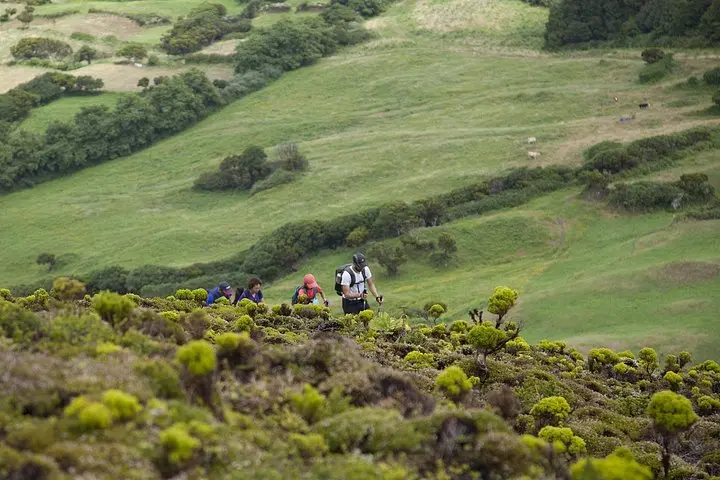
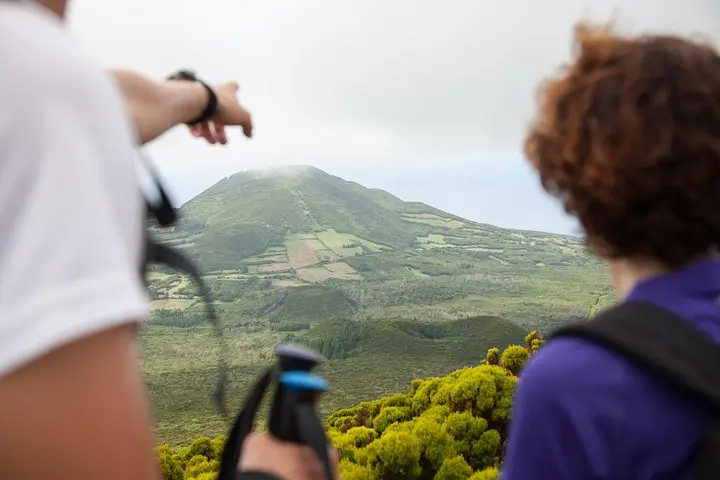
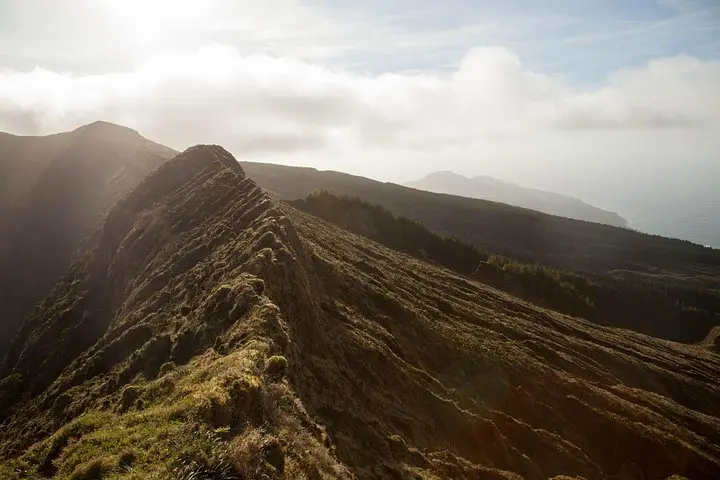
You step onto rough pumice and basalt as the Atlantic wind pushes at your shoulders, and Faial opens in hard-edged contrasts: a high caldeira rim ringed in verdant scrub, descending through layered lava flows to the lunar fields of Capelinhos and the surf beyond.
Verified experiences and guided adventures in the surrounding area.
Operated by Our Island · Horta, Azores
You step onto rough pumice and basalt as the Atlantic wind pushes at your shoulders, and Faial opens in hard-edged contrasts: a high caldeira rim ringed in verdant scrub, descending through layered lava flows to the lunar fields of Capelinhos and the surf beyond.
This full-day, private hike follows Faial’s youngest volcanic axis—hundreds of thousands of years of eruptions compacted into a single westward traverse. The route links the island’s central caldeira, an eroded volcanic crater that records older eruptions and endemic laurel forest patches, with the 1957–58 Capelinhos eruption that added new shoreline and a stark ash plain still rich with geological clues.
Guides weave volcanology, island ecology and local history into the walk: how seafaring and transatlantic communications shaped Horta, and how volcanic events remade communities and coastline. You’ll cross native forest fragments where endemic plants hold out against invasive species, then move into young, sparsely vegetated lava that reveals the raw mechanics of island-building.
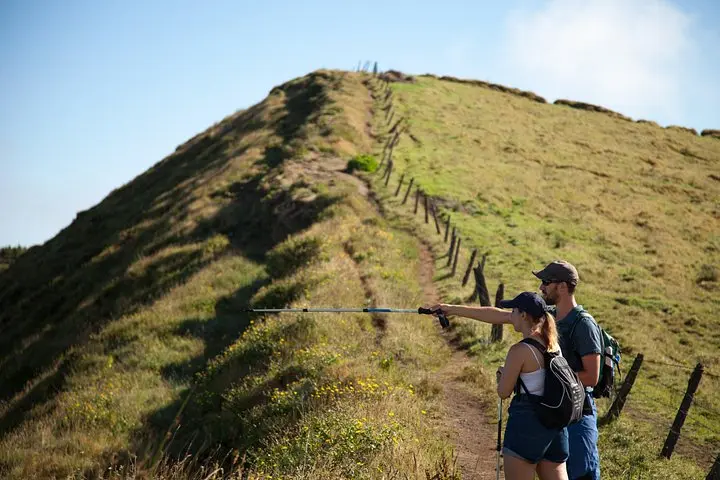
Practically, expect a full 9-hour day with sustained climbs and descents, variable trail footing from forest paths to loose lapilli and rocky ridges, and strong coastal winds. Bring sturdy boots, layered clothing for sun and wind protection, ample water and high energy food; poles and an experienced guide are provided. Start early to catch cooler morning light and quieter bird activity, and plan transportation back to Horta—this hike finishes at sea level, often near the Capelinhos area.
The tour is a full 9-hour day and is considered challenging—expect sustained elevation change, variable footing, and long distances between trailheads.
Yes — this is a private guided tour and hiking poles are included; guides provide geological and ecological interpretation throughout.
The route typically starts near Faial’s higher interior ridges (near the caldeira) and finishes at or near the Capelinhos volcano area at sea level; transport between points is arranged as part of the tour.
Participants should be in good cardiovascular health; the operator advises that this is not recommended for pregnant travelers or those with significant heart conditions.
Our Island operates guided outdoor trips and adventures with an emphasis on safety, stewardship, and memorable experiences.
You step onto rough pumice and basalt as the Atlantic wind pushes at your shoulders, and Faial opens in hard-edged contrasts: a high caldeira rim ringed in verdant scrub, descending through layered lava flows to the lunar fields of Capelinhos and the surf beyond.
You step onto rough pumice and basalt as the Atlantic wind pushes at your shoulders, and Faial opens in hard-edged contrasts: a high caldeira rim ringed in verdant scrub, descending through layered lava flows to the lunar fields of Capelinhos and the surf beyond.
This full-day, private hike follows Faial’s youngest volcanic axis—hundreds of thousands of years of eruptions compacted into a single westward traverse. The route links the island’s central caldeira, an eroded volcanic crater that records older eruptions and endemic laurel forest patches, with the 1957–58 Capelinhos eruption that added new shoreline and a stark ash plain still rich with geological clues.
Guides weave volcanology, island ecology and local history into the walk: how seafaring and transatlantic communications shaped Horta, and how volcanic events remade communities and coastline. You’ll cross native forest fragments where endemic plants hold out against invasive species, then move into young, sparsely vegetated lava that reveals the raw mechanics of island-building.
Practically, expect a full 9-hour day with sustained climbs and descents, variable trail footing from forest paths to loose lapilli and rocky ridges, and strong coastal winds. Bring sturdy boots, layered clothing for sun and wind protection, ample water and high energy food; poles and an experienced guide are provided. Start early to catch cooler morning light and quieter bird activity, and plan transportation back to Horta—this hike finishes at sea level, often near the Capelinhos area.