THE ADVENTURE COLLECTIVE® · Independent discovery and booking for outdoor travel

Walk from Fiesole to Settignano across olive-scented hills, old quarries and Renaissance viewpoints. This four-hour cultural hike blends history, geology and scenic overlooks with manageable slopes and well-maintained trails.
Walk from Fiesole to Settignano across olive-scented hills, old quarries and Renaissance viewpoints. This four-hour cultural hike blends history, geology and scenic overlooks with manageable slopes and well-maintained trails.
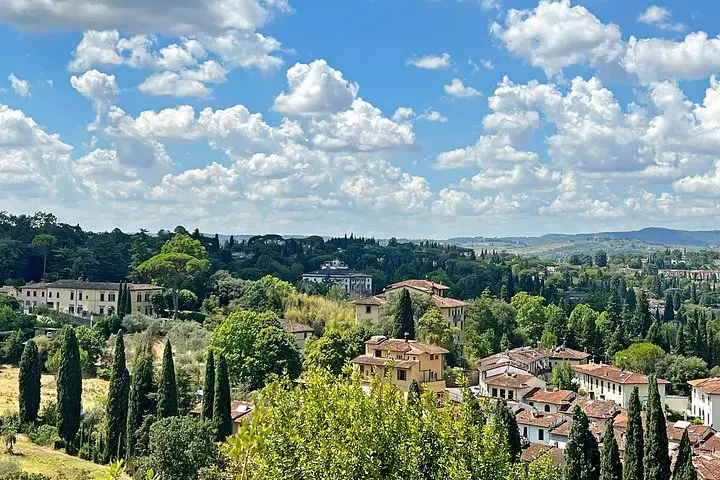
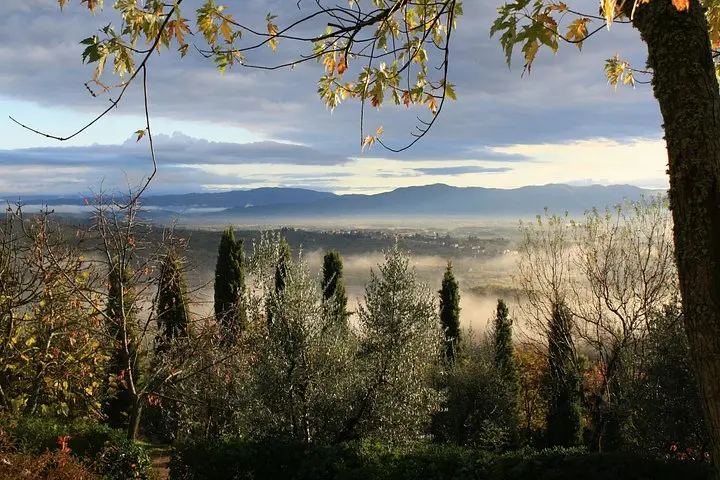
Morning light slices across cypress and olive rows as you step away from Fiesole’s piazza and into the hills that cradled Renaissance ideas.
Verified experiences and guided adventures in the surrounding area.
Operated by Vincenzo Manole · Fiesole, Tuscany
Morning light slices across cypress and olive rows as you step away from Fiesole’s piazza and into the hills that cradled Renaissance ideas.
The path threads through low Mediterranean scrub, past old quarry faces and terraces where the stone still remembers chisels. Monte Ceri’s slopes open into wide views over Florence; limestone benches and quarry scars hint at the centuries of craft that supplied marble and inspiration to artists who lived and worked here.
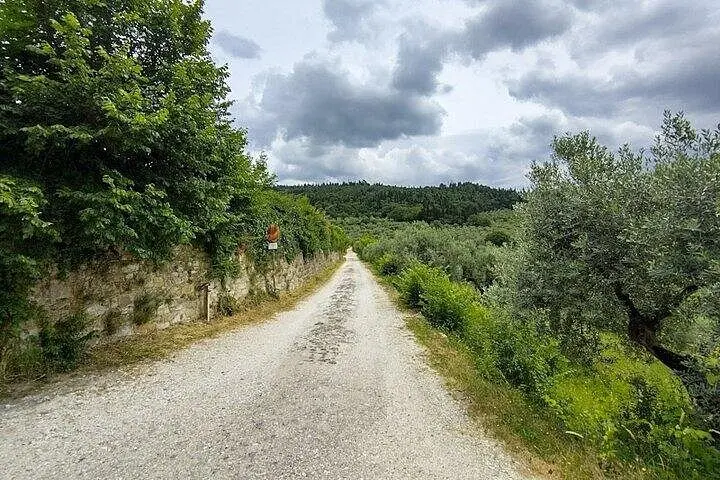
This walk is a cultural landscape as much as a hike: Fiesole began as an Etruscan hill town and its Roman theatre still sits against the valley. Settignano, reached after olive groves and the Maiano estate, was home to sculptors and the birthplace of artisans whose hands shaped marble into Michelangelo’s world. Geologically you move from compacted quarry terraces to softer, olive-covered ridgelines, so expect stony tracks, short paved stretches and well-trodden dirt paths.
Practically, the organized excursion runs about four hours and suits walkers used to moderate slopes. Bring sturdy footwear for uneven ground, 1–2 liters of water, sun protection and a light layer for breezy ridgelines. Start early in summer to avoid midday heat or time the route for late afternoon light to capture long shadows across Florence.
Public transport links make Fiesole an easy access point from Florence; a guide adds context—pointing out Leonardo’s Monte Ceri experiments and the small revivals like Vincigliata Castle. Stay on marked paths, respect private olive groves and plan for moderate elevation changes rather than steep technical climbs.
The organized excursion lasts about four hours; tailored routes typically cover roughly 6–10 km with moderate cumulative elevation gain.
The route is medium-easy and suitable for those used to walking; it includes uneven ground and short slopes, so assess mobility and stamina beforehand.
Small villages like Fiesole and Settignano have cafes and restrooms; on-trail facilities are limited—bring snacks and use village amenities before departure.
Yes—Fiesole is accessible by local buses from Florence, making it an easy start point for independent or guided walks.
Vincenzo Manole operates guided outdoor trips and adventures with an emphasis on safety, stewardship, and memorable experiences.
Morning light slices across cypress and olive rows as you step away from Fiesole’s piazza and into the hills that cradled Renaissance ideas.
Morning light slices across cypress and olive rows as you step away from Fiesole’s piazza and into the hills that cradled Renaissance ideas.
The path threads through low Mediterranean scrub, past old quarry faces and terraces where the stone still remembers chisels. Monte Ceri’s slopes open into wide views over Florence; limestone benches and quarry scars hint at the centuries of craft that supplied marble and inspiration to artists who lived and worked here.
This walk is a cultural landscape as much as a hike: Fiesole began as an Etruscan hill town and its Roman theatre still sits against the valley. Settignano, reached after olive groves and the Maiano estate, was home to sculptors and the birthplace of artisans whose hands shaped marble into Michelangelo’s world. Geologically you move from compacted quarry terraces to softer, olive-covered ridgelines, so expect stony tracks, short paved stretches and well-trodden dirt paths.
Practically, the organized excursion runs about four hours and suits walkers used to moderate slopes. Bring sturdy footwear for uneven ground, 1–2 liters of water, sun protection and a light layer for breezy ridgelines. Start early in summer to avoid midday heat or time the route for late afternoon light to capture long shadows across Florence.
Public transport links make Fiesole an easy access point from Florence; a guide adds context—pointing out Leonardo’s Monte Ceri experiments and the small revivals like Vincigliata Castle. Stay on marked paths, respect private olive groves and plan for moderate elevation changes rather than steep technical climbs.