THE ADVENTURE COLLECTIVE® · Independent discovery and booking for outdoor travel

Short, accessible, and striking: Imbros Gorge is a 7 km day hike from Rethymno that trades Samaria’s epic scale for sunlit canyons, limestone walls, and a rewarding beach exit at Komitades. Read on for what to expect and how to prepare.
Short, accessible, and striking: Imbros Gorge is a 7 km day hike from Rethymno that trades Samaria’s epic scale for sunlit canyons, limestone walls, and a rewarding beach exit at Komitades. Read on for what to expect and how to prepare.
You step off the minibus and the air changes: sun-warmed limestone replaces the coastal breeze, and the gorge narrows like a page folding in. Imbros opens with a bright ribbon of sky overhead and a path that slips between sheer walls polished by centuries of winter runoff. The first hour is a steady conversation with the rocks — talus underfoot, chalky cliffs on either side — then the route eases into a tree-scattered cleft where stray pines lean low and scent the air with resin.
Verified experiences and guided adventures in the surrounding area.
Operated by MTM Experiences · Rethymno, Crete
You step off the minibus and the air changes: sun-warmed limestone replaces the coastal breeze, and the gorge narrows like a page folding in. Imbros opens with a bright ribbon of sky overhead and a path that slips between sheer walls polished by centuries of winter runoff. The first hour is a steady conversation with the rocks — talus underfoot, chalky cliffs on either side — then the route eases into a tree-scattered cleft where stray pines lean low and scent the air with resin.
Imbros is short but honest: roughly 7 km and about three hours of walking along a marked trail that begins above the village of Imbros and exits at Komitades. Geologically the gorge is a slice through Crete’s limestone plateau, carved by flash floods and time. Where Samaria demands an all-day commitment and technical scrambling, Imbros wears a gentler face — its corridors are wider, its drops fewer — yet it still shows the island’s raw history: discarded shepherding huts, stone terraces clinging to slopes, and the faint lines of a mule path etched over generations.
The gorge sits within the larger mantle of Sfakia, a region known for stubborn independence in Cretan history and a culture that honors small-scale shepherding and kitchen tables loaded with cheese and wild greens. At the exit, the village of Komitades feels like the last check-in with civilization: a handful of tavernas offering cold beer, grilled fish, and dakos — a Cretan rusk salad that tastes like place itself.
Practical side: plan for three hours on the trail, but allow a full day for transfers, lunch, and a beach stop that most operators include after the hike. The path is rocky and sometimes narrow; good footwear matters more than speed. Water is essential — there’s limited shade and no reliable potable sources on the route. Timing is everything: start early in spring and autumn to avoid midday heat; in high summer go very early or accept hotter, slower walking.
Children can handle Imbros with supervision; older walkers and those with limited mobility should assess rockier sections. Trails are well-marked but can be slick after rain — the gorge learns to be slippery when it rains and will remind you.
Leave no trace: carry out packaging, respect grazing animals, and support local tavernas at Komitades to keep small economies humming. When you finish, the sea is often the reward — a beach with crystalline water and a place to let the canyon’s narrow voice open into wide sky again.
The marked trail through Imbros is about 7 km and takes roughly 3 hours at a steady pace; tours add transfer and beach time for a full-day outing.
Yes — Imbros is easier than Samaria and families often do it; supervise children on narrow or rocky sections.
No permit is required; guided tours are popular for transport and logistics but the trail can be done independently if you arrange transfers.
Trail running shoes or light hiking boots with good tread are ideal — avoid flat-soled sandals or worn trainers.
There are no reliable potable water sources in the gorge; carry enough water for your group, especially in summer.
The trail can become slippery after rain and flash floods are possible in gorges; check forecasts and local advice before you go.
MTM Experiences operates guided outdoor trips and adventures with an emphasis on safety, stewardship, and memorable experiences.
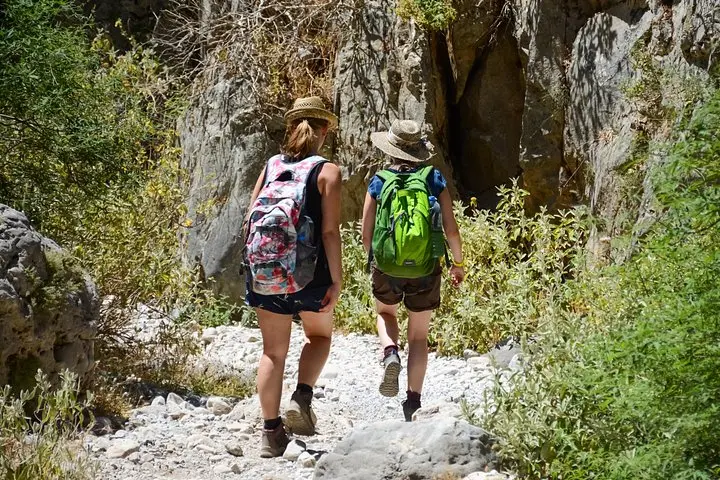
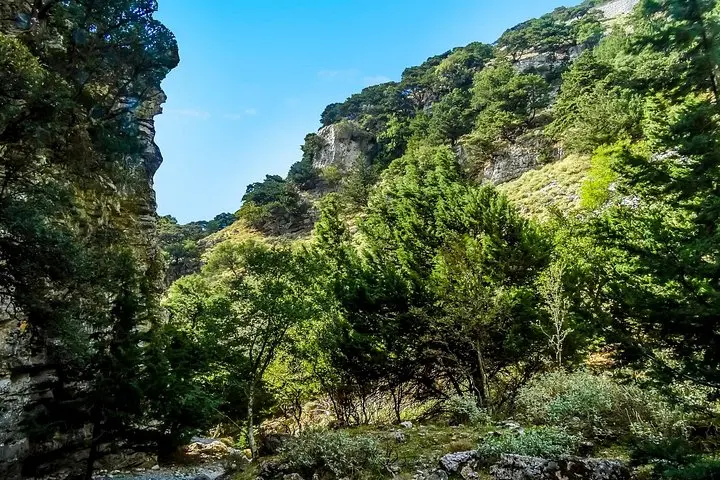
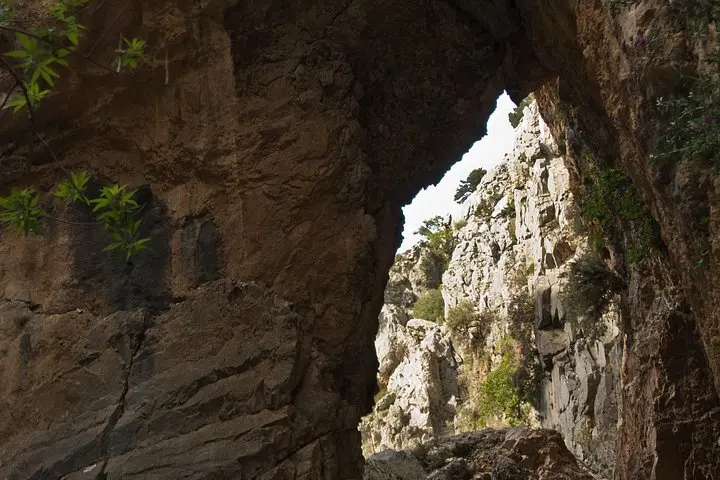
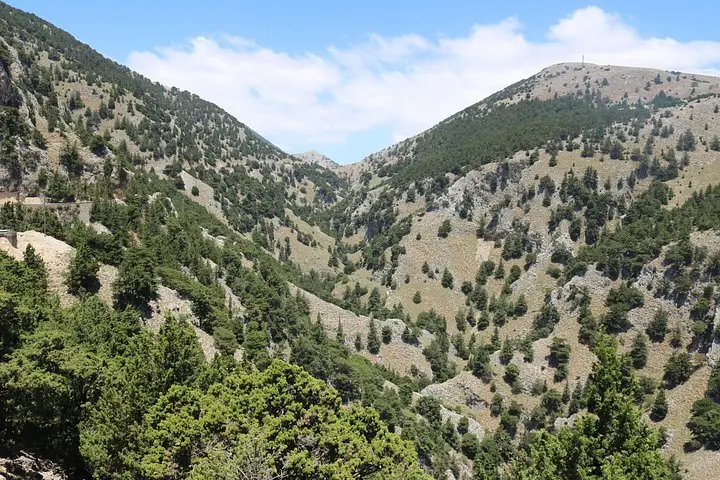
You step off the minibus and the air changes: sun-warmed limestone replaces the coastal breeze, and the gorge narrows like a page folding in. Imbros opens with a bright ribbon of sky overhead and a path that slips between sheer walls polished by centuries of winter runoff. The first hour is a steady conversation with the rocks — talus underfoot, chalky cliffs on either side — then the route eases into a tree-scattered cleft where stray pines lean low and scent the air with resin.
You step off the minibus and the air changes: sun-warmed limestone replaces the coastal breeze, and the gorge narrows like a page folding in. Imbros opens with a bright ribbon of sky overhead and a path that slips between sheer walls polished by centuries of winter runoff. The first hour is a steady conversation with the rocks — talus underfoot, chalky cliffs on either side — then the route eases into a tree-scattered cleft where stray pines lean low and scent the air with resin.
Imbros is short but honest: roughly 7 km and about three hours of walking along a marked trail that begins above the village of Imbros and exits at Komitades. Geologically the gorge is a slice through Crete’s limestone plateau, carved by flash floods and time. Where Samaria demands an all-day commitment and technical scrambling, Imbros wears a gentler face — its corridors are wider, its drops fewer — yet it still shows the island’s raw history: discarded shepherding huts, stone terraces clinging to slopes, and the faint lines of a mule path etched over generations.
The gorge sits within the larger mantle of Sfakia, a region known for stubborn independence in Cretan history and a culture that honors small-scale shepherding and kitchen tables loaded with cheese and wild greens. At the exit, the village of Komitades feels like the last check-in with civilization: a handful of tavernas offering cold beer, grilled fish, and dakos — a Cretan rusk salad that tastes like place itself.
Practical side: plan for three hours on the trail, but allow a full day for transfers, lunch, and a beach stop that most operators include after the hike. The path is rocky and sometimes narrow; good footwear matters more than speed. Water is essential — there’s limited shade and no reliable potable sources on the route. Timing is everything: start early in spring and autumn to avoid midday heat; in high summer go very early or accept hotter, slower walking.
Children can handle Imbros with supervision; older walkers and those with limited mobility should assess rockier sections. Trails are well-marked but can be slick after rain — the gorge learns to be slippery when it rains and will remind you.
Leave no trace: carry out packaging, respect grazing animals, and support local tavernas at Komitades to keep small economies humming. When you finish, the sea is often the reward — a beach with crystalline water and a place to let the canyon’s narrow voice open into wide sky again.