THE ADVENTURE COLLECTIVE® · Independent discovery and booking for outdoor travel

Spend a full day climbing to the crater rims of Irazú Volcano and exploring historic Cartago. This guided tour combines short high-altitude hikes with cultural stops, offering dramatic views and local insights — expect wind, cold, and quick-changing weather.
Spend a full day climbing to the crater rims of Irazú Volcano and exploring historic Cartago. This guided tour combines short high-altitude hikes with cultural stops, offering dramatic views and local insights — expect wind, cold, and quick-changing weather.
You step out of the van into thin, cold air; the summit of Irazú looms in a ring of gray and wind that quickly makes itself known. Crater rims cut the skyline like scarred shoulders, and the trail underfoot shifts from packed earth to volcanic scree as gusts dare you to keep moving.
Verified experiences and guided adventures in the surrounding area.
Operated by Costa Rica Itinerary · Cartago, Cartago Province
You step out of the van into thin, cold air; the summit of Irazú looms in a ring of gray and wind that quickly makes itself known. Crater rims cut the skyline like scarred shoulders, and the trail underfoot shifts from packed earth to volcanic scree as gusts dare you to keep moving.
Irazú sits above the Central Valley at 3,432 m (11,260 ft), its recent geologic history marked by explosive eruptions — the 1963 event famously spewed ash across San José. The park’s crater chain and stained lakes tell a volcanic story: recent lava flows, oxidized minerals, and soils that support pioneering high-elevation shrubs rather than dense forest. Below, Cartago offers a contrasting cultural scene — colonial churches, local markets, and the Basilica of Our Lady of the Angels, where Costa Ricans make pilgrimages.
On a guided full-day tour from San José (hotel pickup included), expect a mix of short summit hikes and roadside viewpoints rather than technical mountaineering. Trails are generally short (1–3 km around the crater complex) but exposed; elevation and wind are the main challenges. Photos here are dramatic and weather-dependent — clear mornings reveal sweeping valley views, while afternoons can bring sudden fog and drizzle.
Practical tips: bring warm, windproof layers, high-SPF sun protection, and hydrate well to offset altitude effects. Sturdy hiking shoes with good traction handle loose scoria. Park fees and bottled water are typically included; aim for an early start to maximize clear conditions and allow time to visit Cartago en route back.
Most on-foot sections around the crater are short—typically 1–3 km total—but expect time spent at viewpoints and walking between lookouts.
At 3,432 m some visitors feel mild symptoms (headache, breathlessness); take it slow, hydrate, and inform the guide if you feel unwell.
This tour typically includes national park entrance fees, as noted in the tour inclusions.
Policies vary; the tour notes a minimum of two people per booking and recommends moderate fitness—check with the operator for age restrictions.
Costa Rica Itinerary operates guided outdoor trips and adventures with an emphasis on safety, stewardship, and memorable experiences.
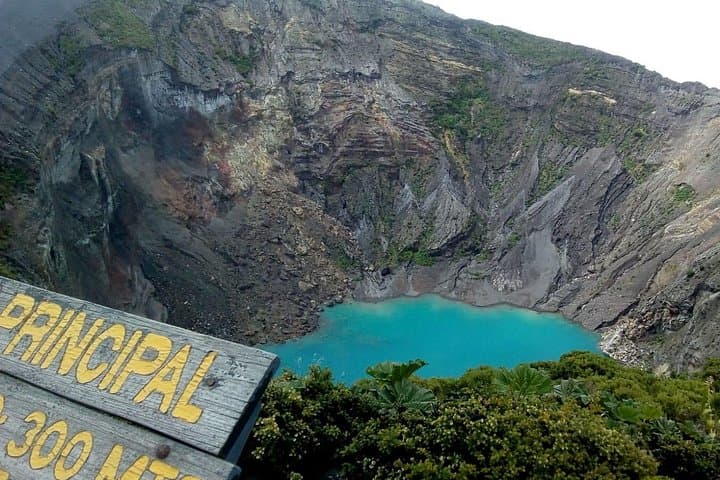


You step out of the van into thin, cold air; the summit of Irazú looms in a ring of gray and wind that quickly makes itself known. Crater rims cut the skyline like scarred shoulders, and the trail underfoot shifts from packed earth to volcanic scree as gusts dare you to keep moving.
You step out of the van into thin, cold air; the summit of Irazú looms in a ring of gray and wind that quickly makes itself known. Crater rims cut the skyline like scarred shoulders, and the trail underfoot shifts from packed earth to volcanic scree as gusts dare you to keep moving.
Irazú sits above the Central Valley at 3,432 m (11,260 ft), its recent geologic history marked by explosive eruptions — the 1963 event famously spewed ash across San José. The park’s crater chain and stained lakes tell a volcanic story: recent lava flows, oxidized minerals, and soils that support pioneering high-elevation shrubs rather than dense forest. Below, Cartago offers a contrasting cultural scene — colonial churches, local markets, and the Basilica of Our Lady of the Angels, where Costa Ricans make pilgrimages.
On a guided full-day tour from San José (hotel pickup included), expect a mix of short summit hikes and roadside viewpoints rather than technical mountaineering. Trails are generally short (1–3 km around the crater complex) but exposed; elevation and wind are the main challenges. Photos here are dramatic and weather-dependent — clear mornings reveal sweeping valley views, while afternoons can bring sudden fog and drizzle.
Practical tips: bring warm, windproof layers, high-SPF sun protection, and hydrate well to offset altitude effects. Sturdy hiking shoes with good traction handle loose scoria. Park fees and bottled water are typically included; aim for an early start to maximize clear conditions and allow time to visit Cartago en route back.