THE ADVENTURE COLLECTIVE® · Independent discovery and booking for outdoor travel

Walk among UNESCO-listed rice terraces on self-guided routes from 1.5–5.5 km, then refuel at Rustic Bali Café. This 6–8 hour outing mixes easy to moderate hiking, cultural landscape views, and optional add-ons like a jungle trek or Lake Beratan visit.
Walk among UNESCO-listed rice terraces on self-guided routes from 1.5–5.5 km, then refuel at Rustic Bali Café. This 6–8 hour outing mixes easy to moderate hiking, cultural landscape views, and optional add-ons like a jungle trek or Lake Beratan visit.
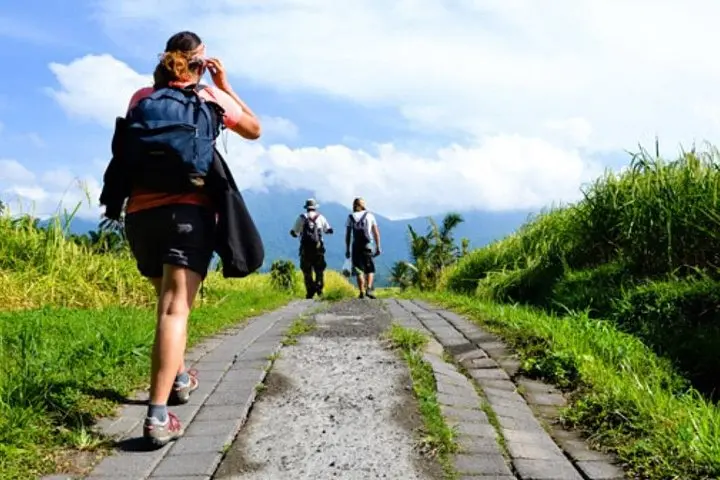
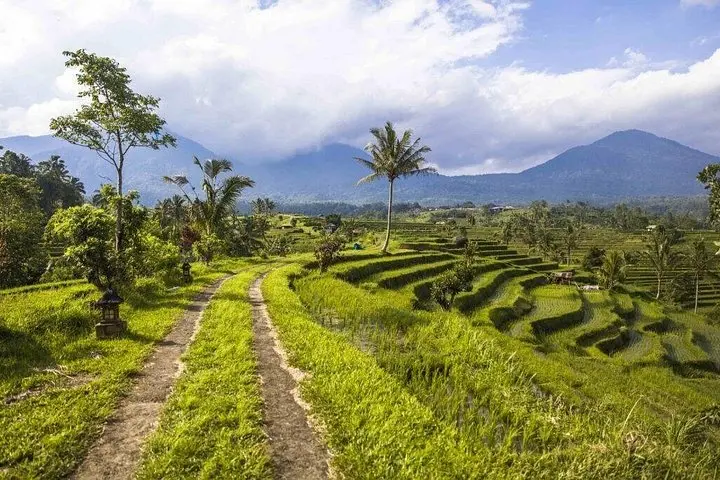
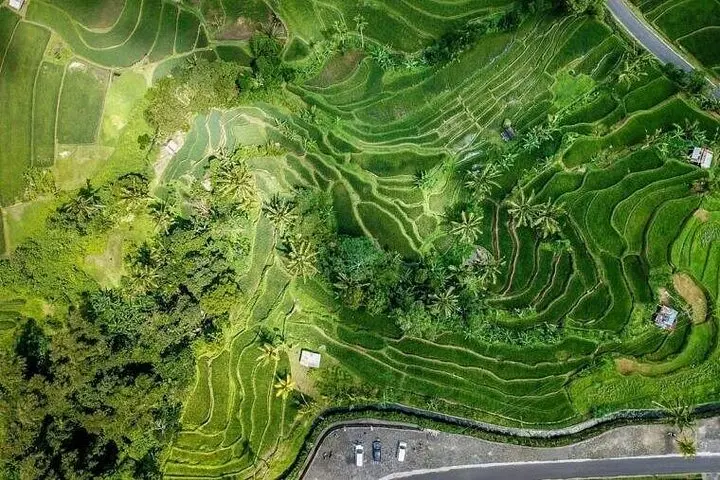
Morning light cuts across stone ridges and the terraces answer with bands of green—this is Jatiluwih. You step from the low hum of the parked car into wide-open ricefields where irrigation channels thread terraces like quiet pulse points. Paths range from short, easy loops to longer ridge walks; five mapped routes run roughly 1.5–5.5 km, framed by volcanic peaks and occasional farmhouses.
Verified experiences and guided adventures in the surrounding area.
Operated by Active Bali · Jatiluwih, Bali
Morning light cuts across stone ridges and the terraces answer with bands of green—this is Jatiluwih. You step from the low hum of the parked car into wide-open ricefields where irrigation channels thread terraces like quiet pulse points. Paths range from short, easy loops to longer ridge walks; five mapped routes run roughly 1.5–5.5 km, framed by volcanic peaks and occasional farmhouses.
The terraces are part of Bali’s subak system, a cooperative irrigation network recognized by UNESCO for its cultural landscape. Geology here is volcanic: deep, fertile soils held by stone bunds and narrow levees that shape every contour. Local farmers still move through the fields in seasons, using traditional methods that date back centuries, and the Rustic Bali Café sits roadside as a practical stop for a cooked lunch after your walk.
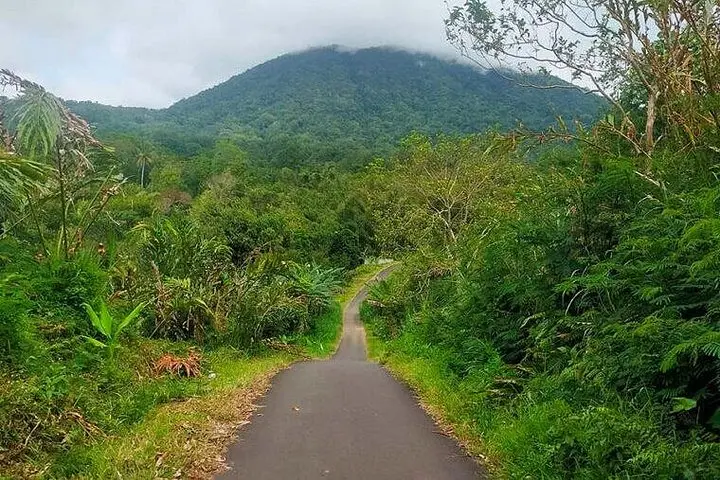
Expect well-defined dirt and stone tracks with short, sometimes steep pitches where terraces climb. Weather changes fast at elevation—mornings are cool, midday humid, and showers can arrive in the afternoon. The standard tour runs 6–8 hours including transfers; a car with an English-speaking driver and entrance fees are usually included, and optional add-ons include a jungle trek or a visit to Lake Beratan.
Plan for sturdy footwear, sun protection, and water; carry small change for toilets and snacks. Start earlier to avoid heat and tour buses, follow marked tracks to respect crops, and give farmers space during planting or harvest. The walk is rewarding: clear vistas, a working agricultural landscape, and a tangible link between geology, water and community that you can actually walk through.
There are five self-guided tracks ranging from about 1.5 km to 5.5 km; total outing time depends on route choice and add-ons, typically 6–8 hours including transfers.
Shorter routes are family-friendly, but anyone with mobility issues should avoid steeper sections; the tour notes recommend moderate fitness.
Typical packages include entrance fees and lunch at Rustic Bali Café; check the booking details for current inclusions.
Yes—optional add-ons like a trip to Lake Beratan (about 50 minutes away) or a short jungle walk can be included depending on your schedule.
Active Bali operates guided outdoor trips and adventures with an emphasis on safety, stewardship, and memorable experiences.
Morning light cuts across stone ridges and the terraces answer with bands of green—this is Jatiluwih. You step from the low hum of the parked car into wide-open ricefields where irrigation channels thread terraces like quiet pulse points. Paths range from short, easy loops to longer ridge walks; five mapped routes run roughly 1.5–5.5 km, framed by volcanic peaks and occasional farmhouses.
Morning light cuts across stone ridges and the terraces answer with bands of green—this is Jatiluwih. You step from the low hum of the parked car into wide-open ricefields where irrigation channels thread terraces like quiet pulse points. Paths range from short, easy loops to longer ridge walks; five mapped routes run roughly 1.5–5.5 km, framed by volcanic peaks and occasional farmhouses.
The terraces are part of Bali’s subak system, a cooperative irrigation network recognized by UNESCO for its cultural landscape. Geology here is volcanic: deep, fertile soils held by stone bunds and narrow levees that shape every contour. Local farmers still move through the fields in seasons, using traditional methods that date back centuries, and the Rustic Bali Café sits roadside as a practical stop for a cooked lunch after your walk.
Expect well-defined dirt and stone tracks with short, sometimes steep pitches where terraces climb. Weather changes fast at elevation—mornings are cool, midday humid, and showers can arrive in the afternoon. The standard tour runs 6–8 hours including transfers; a car with an English-speaking driver and entrance fees are usually included, and optional add-ons include a jungle trek or a visit to Lake Beratan.
Plan for sturdy footwear, sun protection, and water; carry small change for toilets and snacks. Start earlier to avoid heat and tour buses, follow marked tracks to respect crops, and give farmers space during planting or harvest. The walk is rewarding: clear vistas, a working agricultural landscape, and a tangible link between geology, water and community that you can actually walk through.