THE ADVENTURE COLLECTIVE® · Independent discovery and booking for outdoor travel

Scale the wild, photographed ridgelines of Jiankou and descend into the restored towers of Mutianyu on a full‑day private guided hike. Expect exposed stone, steep drops, and a mix of raw wilderness and refurbished Great Wall sections.
Scale the wild, photographed ridgelines of Jiankou and descend into the restored towers of Mutianyu on a full‑day private guided hike. Expect exposed stone, steep drops, and a mix of raw wilderness and refurbished Great Wall sections.
The climb begins before the first switchback, with jagged stone teeth rising and the wind pulling at your jacket as the wall narrows into exposed ridgelines. You enter Jiankou’s raw side of the Great Wall—collapsed crenellations, uneven steps, and steep drops—then follow the ancient masonry down toward the restored terraces of Mutianyu where the guard towers sit stoic and accessible.
Verified experiences and guided adventures in the surrounding area.
Operated by Benny's Guide & Driver Service · Beijing, Beijing
The climb begins before the first switchback, with jagged stone teeth rising and the wind pulling at your jacket as the wall narrows into exposed ridgelines. You enter Jiankou’s raw side of the Great Wall—collapsed crenellations, uneven steps, and steep drops—then follow the ancient masonry down toward the restored terraces of Mutianyu where the guard towers sit stoic and accessible.
Jiankou, whose name means “arrow nock,” is largely Ming‑era construction left in a wild state; the route to Mutianyu bridges two eras of the Wall’s history and highlights northern China’s granite ridges carved by millennia of freeze‑thaw. Geologically, you hike over steep, weathered metamorphic rock with thin soils; culturally, you pass rural north China villages and terraces that supported the Wall’s garrisons.
Expect a full day: rough, technical walking on jagged stone at Jiankou, followed by steadier restored steps and cable‑car/ticket areas at Mutianyu. Terrain alternates between loose rubble, narrow parapets, and steep stone staircases; elevation differences vary by route, with several short, steep climbs and descents. The experience pairs adrenaline—where the wall dares you to edge forward—with pragmatic trailcraft.
Practical guidance: start early to avoid heat and crowds, bring 2–3 L of water, wear stiff‑soled boots and consider trekking poles for balance. Allow 7–9 hours for a guided transfer, the hike, and return; guides often provide bottled water and private transport. If you have limited scrambling experience or poor cardiovascular health, choose an easier section or a shorter Mutianyu visit instead.
No; this tour typically does not include Mutianyu entrance tickets or cable‑car/slide tickets—buy them on arrival or request assistance from the operator.
The Jiankou portion is technically challenging with exposed, collapsed sections; the full day is best for fit hikers used to uneven terrain and short scrambling moves.
Guides may have limited English; many providers use a translation app or bilingual staff—confirm language needs at booking.
This route is not recommended for pregnant travelers or very young children due to exposure and uneven footing; check with the operator for family‑friendly alternatives.
Benny's Guide & Driver Service operates guided outdoor trips and adventures with an emphasis on safety, stewardship, and memorable experiences.
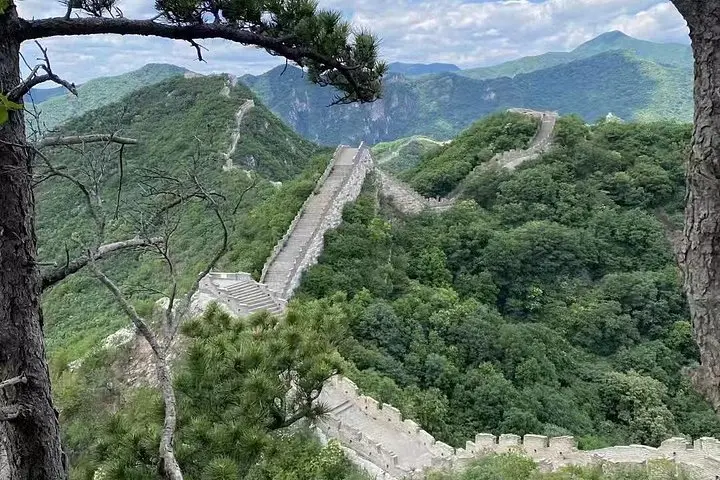
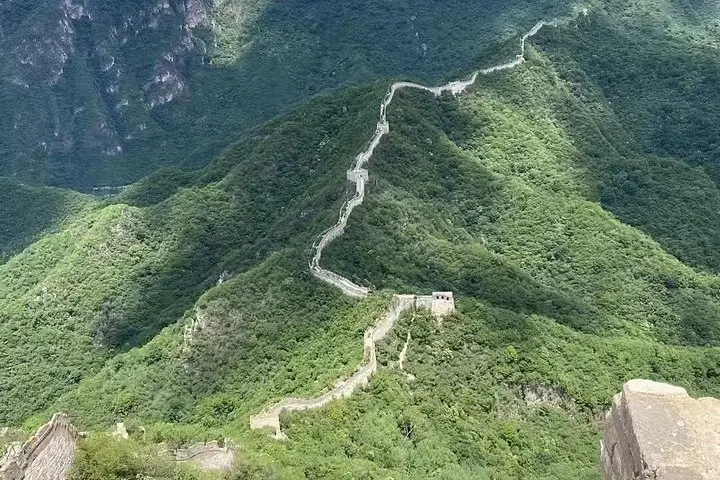
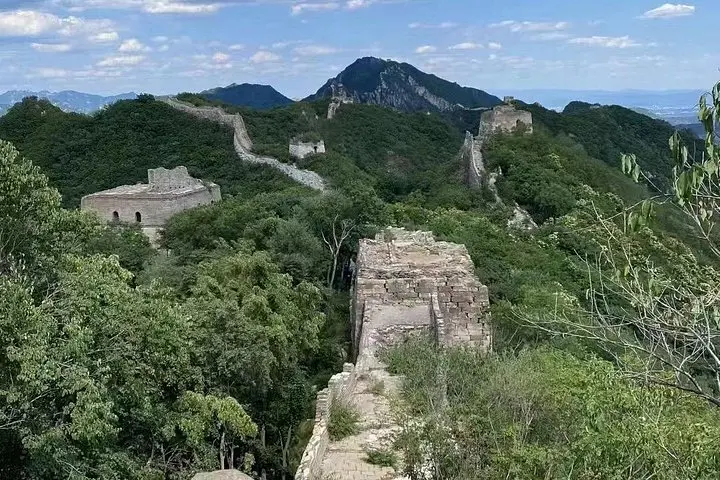
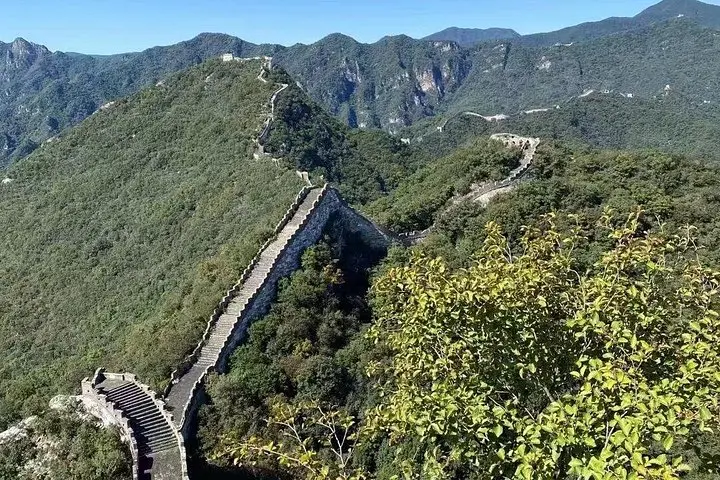
The climb begins before the first switchback, with jagged stone teeth rising and the wind pulling at your jacket as the wall narrows into exposed ridgelines. You enter Jiankou’s raw side of the Great Wall—collapsed crenellations, uneven steps, and steep drops—then follow the ancient masonry down toward the restored terraces of Mutianyu where the guard towers sit stoic and accessible.
The climb begins before the first switchback, with jagged stone teeth rising and the wind pulling at your jacket as the wall narrows into exposed ridgelines. You enter Jiankou’s raw side of the Great Wall—collapsed crenellations, uneven steps, and steep drops—then follow the ancient masonry down toward the restored terraces of Mutianyu where the guard towers sit stoic and accessible.
Jiankou, whose name means “arrow nock,” is largely Ming‑era construction left in a wild state; the route to Mutianyu bridges two eras of the Wall’s history and highlights northern China’s granite ridges carved by millennia of freeze‑thaw. Geologically, you hike over steep, weathered metamorphic rock with thin soils; culturally, you pass rural north China villages and terraces that supported the Wall’s garrisons.
Expect a full day: rough, technical walking on jagged stone at Jiankou, followed by steadier restored steps and cable‑car/ticket areas at Mutianyu. Terrain alternates between loose rubble, narrow parapets, and steep stone staircases; elevation differences vary by route, with several short, steep climbs and descents. The experience pairs adrenaline—where the wall dares you to edge forward—with pragmatic trailcraft.
Practical guidance: start early to avoid heat and crowds, bring 2–3 L of water, wear stiff‑soled boots and consider trekking poles for balance. Allow 7–9 hours for a guided transfer, the hike, and return; guides often provide bottled water and private transport. If you have limited scrambling experience or poor cardiovascular health, choose an easier section or a shorter Mutianyu visit instead.