THE ADVENTURE COLLECTIVE® · Independent discovery and booking for outdoor travel

Take a single-day excursion from Siem Reap into the Kulen foothills to hike to Kbal Spean’s carved riverbed, then visit the pink sandstone carvings of Banteay Srei and the understated beauty of Banteay Samre. Expect a moderately steep jungle walk and rich Angkorian history.
Take a single-day excursion from Siem Reap into the Kulen foothills to hike to Kbal Spean’s carved riverbed, then visit the pink sandstone carvings of Banteay Srei and the understated beauty of Banteay Samre. Expect a moderately steep jungle walk and rich Angkorian history.
A humid morning in the Cambodian lowlands, the minivan eases onto a red-dust track and the jungle presses close—ferns brushing the windows, insects tuning the air. You unload at a trailhead and begin a steep, wooded climb; the forest breathes around you and the river ahead seems to call, urging your steps up toward the carved bedrock of Kbal Spean.
Verified experiences and guided adventures in the surrounding area.
Operated by Tour Guide-Siem Reap · Siem Reap, Siem Reap Province
A humid morning in the Cambodian lowlands, the minivan eases onto a red-dust track and the jungle presses close—ferns brushing the windows, insects tuning the air. You unload at a trailhead and begin a steep, wooded climb; the forest breathes around you and the river ahead seems to call, urging your steps up toward the carved bedrock of Kbal Spean.
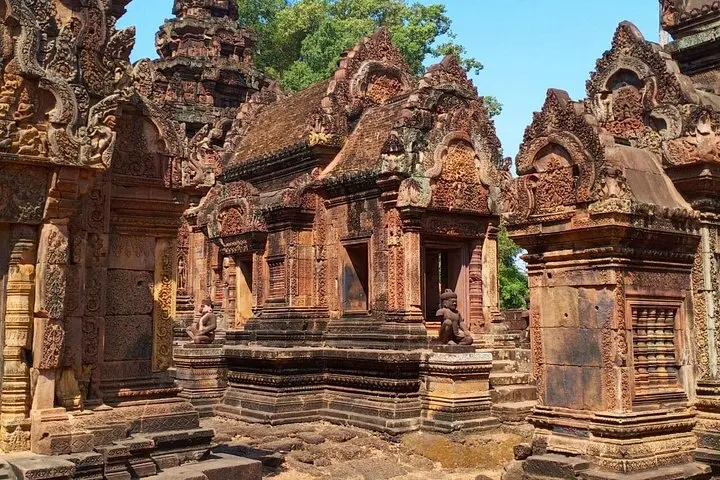
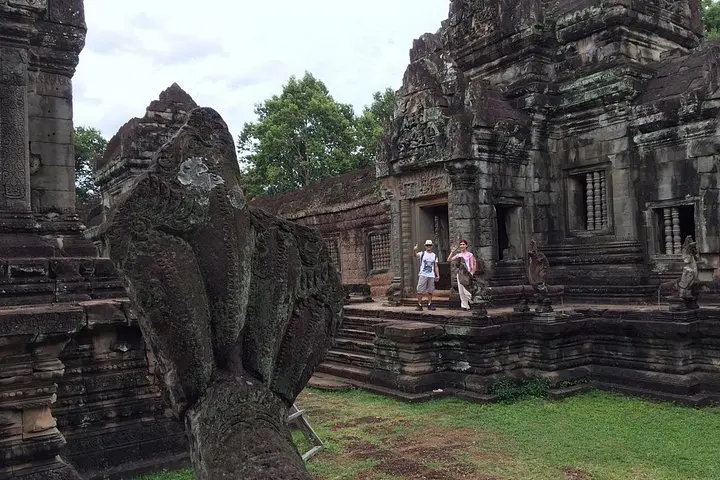
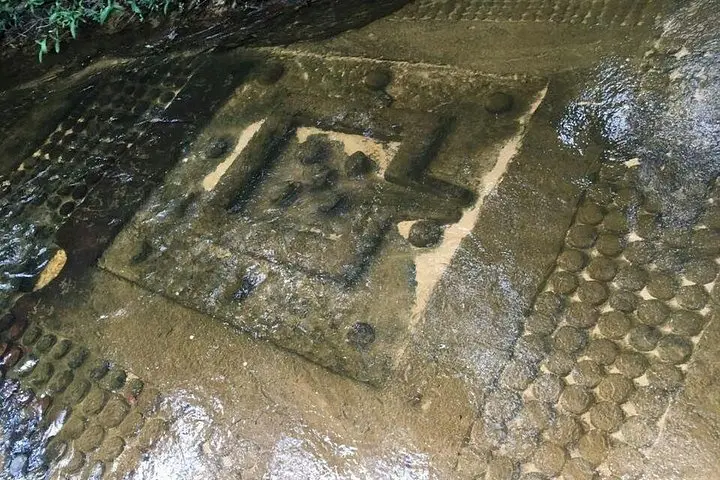
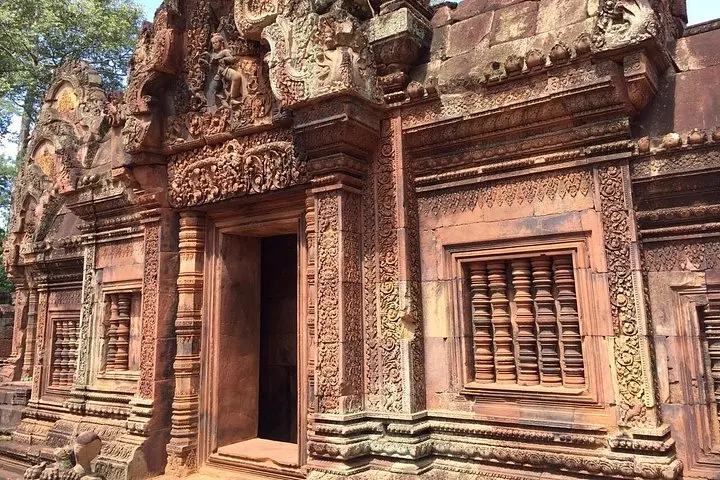
Kbal Spean’s “River of a Thousand Lingas” dates to the Angkorian period; the shallow stream has been turned into a sandstone shrine where Hindu motifs—lingas, yoni and deities—were carved directly into the riverbed to sanctify water flowing downstream. Nearby Banteay Srei, built in the 10th century from pink sandstone, bears some of the region’s finest and most delicate bas-reliefs. Banteay Samre, larger and quieter, offers mellow later-afternoon light on long galleries and corniced towers.
Expect a 3 km jungle walk with several wooden stair sections and short rocky scrambles: the route is maintained but requires steady footing and a moderate level of fitness. Wear closed shoes, bring at least 1–2 liters of water, sun protection, and a light rain layer in wet months. Admission to each site may require separate park or Angkor tickets—confirm before you go. Guides explain the iconography and local folklore and point out wildlife and rural craft workshops near Banteay Srei.
Plan an early start to avoid midday heat and to catch softer light on the carvings; move deliberately on the staircases and respect the temples—cover shoulders and knees. This day trip blends a compact jungle hike with cultural immersion, ideal for travelers who want an active, history-rich outing from Siem Reap.
No; the tour lists admissions as not included—bring the appropriate Angkor park pass or pay local site fees as required.
Children with good stamina can do the 3 km walk, but expect steep sections and stairs—supervise them on wet rocks and near the waterfall.
It’s a moderate 3 km jungle trek with a steady incline and staircases; an average-level walker with reasonable fitness should manage it.
Yes—this private tour includes hotel pickup and drop-off by air-conditioned minivan, but confirm your pickup point when booking.
Tour Guide-Siem Reap operates guided outdoor trips and adventures with an emphasis on safety, stewardship, and memorable experiences.
A humid morning in the Cambodian lowlands, the minivan eases onto a red-dust track and the jungle presses close—ferns brushing the windows, insects tuning the air. You unload at a trailhead and begin a steep, wooded climb; the forest breathes around you and the river ahead seems to call, urging your steps up toward the carved bedrock of Kbal Spean.
A humid morning in the Cambodian lowlands, the minivan eases onto a red-dust track and the jungle presses close—ferns brushing the windows, insects tuning the air. You unload at a trailhead and begin a steep, wooded climb; the forest breathes around you and the river ahead seems to call, urging your steps up toward the carved bedrock of Kbal Spean.
Kbal Spean’s “River of a Thousand Lingas” dates to the Angkorian period; the shallow stream has been turned into a sandstone shrine where Hindu motifs—lingas, yoni and deities—were carved directly into the riverbed to sanctify water flowing downstream. Nearby Banteay Srei, built in the 10th century from pink sandstone, bears some of the region’s finest and most delicate bas-reliefs. Banteay Samre, larger and quieter, offers mellow later-afternoon light on long galleries and corniced towers.
Expect a 3 km jungle walk with several wooden stair sections and short rocky scrambles: the route is maintained but requires steady footing and a moderate level of fitness. Wear closed shoes, bring at least 1–2 liters of water, sun protection, and a light rain layer in wet months. Admission to each site may require separate park or Angkor tickets—confirm before you go. Guides explain the iconography and local folklore and point out wildlife and rural craft workshops near Banteay Srei.
Plan an early start to avoid midday heat and to catch softer light on the carvings; move deliberately on the staircases and respect the temples—cover shoulders and knees. This day trip blends a compact jungle hike with cultural immersion, ideal for travelers who want an active, history-rich outing from Siem Reap.