THE ADVENTURE COLLECTIVE® · Independent discovery and booking for outdoor travel

Explore the Lame Rosse near Lake Fiastra: a 7 km, 210 m ascent loop through red erosional spires in the Sibillini foothills. This guided, moderate hike pairs geology, local history and sweeping lake views.
Explore the Lame Rosse near Lake Fiastra: a 7 km, 210 m ascent loop through red erosional spires in the Sibillini foothills. This guided, moderate hike pairs geology, local history and sweeping lake views.
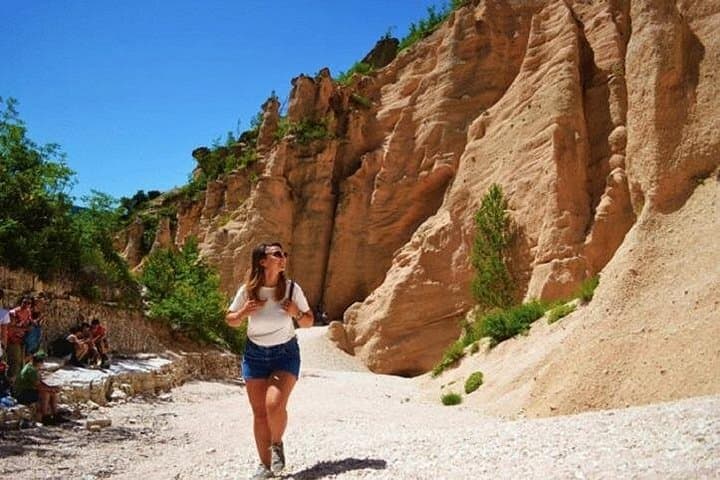
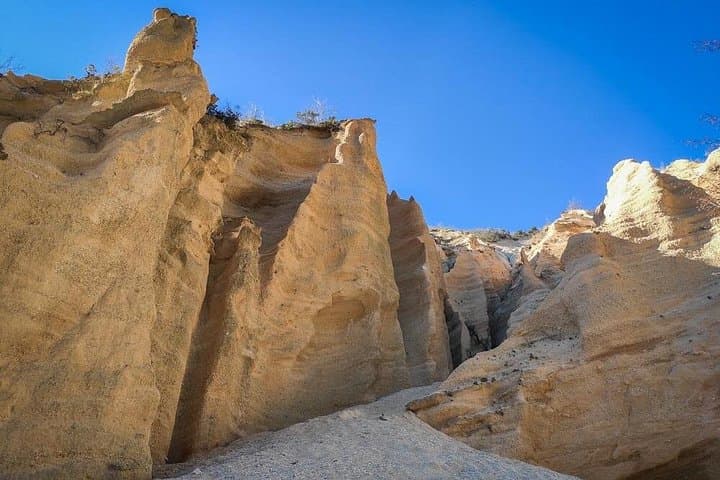
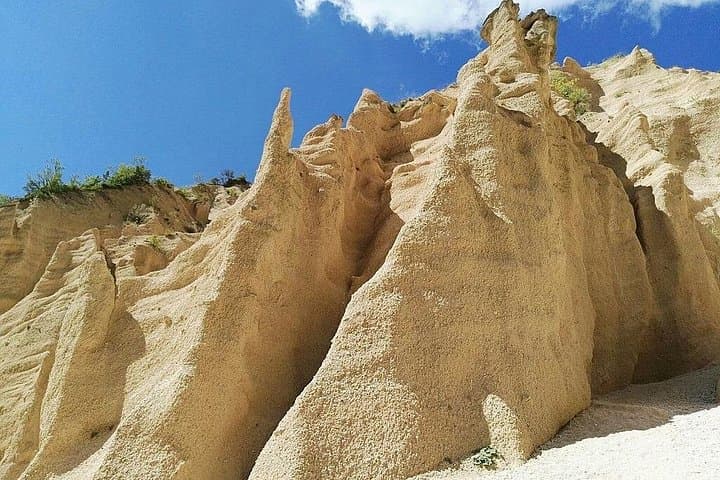
You arrive under a pale Marche sky, the road dropping toward Lake Fiastra and a sudden cut in the hills — the Lame Rosse spires rising like serrated blades. The trail slips into shade, a ribbon of pebbles and packed earth that climbs and dips around compact gullies. Wind and water have been working here for millennia; the earth seems to breathe as you step.
Verified experiences and guided adventures in the surrounding area.
Operated by Tripendipity · Fiastra, Marche
You arrive under a pale Marche sky, the road dropping toward Lake Fiastra and a sudden cut in the hills — the Lame Rosse spires rising like serrated blades. The trail slips into shade, a ribbon of pebbles and packed earth that climbs and dips around compact gullies. Wind and water have been working here for millennia; the earth seems to breathe as you step.
The Lame Rosse are erosional hoodoos — columns and knife-like fins sculpted from glacial and fluvial deposits during the age of the Apennines. Guides on this walk point out the Sibillini range’s geological story and small human traces: shepherd paths, wartime routes, and the centuries-old relationship between villagers and the lake below. Botanically, you'll find scrub oak, wild sages and the occasional Mediterranean bulb that brightens spring slopes.
Practicalities cut in without breaking the view. The route is about 7 km round trip with roughly 210 m of elevation change, mostly on a clear, sometimes steep but short, grade. Expect 4–4.5 hours total including stops; the trail is shady in sections but exposed at the viewpoints overlooking Lake Fiastra. Wear sturdy shoes to keep pebbles out, bring at least 1–1.5 liters of water, and a hat for exposed stretches. A certified guide typically explains formation processes and local history and will advise where erosion makes edges unstable — keep a safe distance from the spires.
Pack a picnic to eat with the lake in view, leave no trace, and time your visit for morning or late afternoon light to see the red tones of the cliffs sharpen.
The route is about 7 km round trip with roughly 210 m of elevation gain; expect 4–4.5 hours including stops.
The path is generally accessible but has short steep sections and loose pebbles; children and older travelers should have moderate mobility and supervised footing.
No — the spires are actively eroding. Guides advise keeping distance to avoid damaging formations and to stay safe from collapses.
Bring a packed lunch or snacks; there are scenic viewpoints near the lake suitable for a break but no guaranteed services on the trail.
Tripendipity operates guided outdoor trips and adventures with an emphasis on safety, stewardship, and memorable experiences.
You arrive under a pale Marche sky, the road dropping toward Lake Fiastra and a sudden cut in the hills — the Lame Rosse spires rising like serrated blades. The trail slips into shade, a ribbon of pebbles and packed earth that climbs and dips around compact gullies. Wind and water have been working here for millennia; the earth seems to breathe as you step.
You arrive under a pale Marche sky, the road dropping toward Lake Fiastra and a sudden cut in the hills — the Lame Rosse spires rising like serrated blades. The trail slips into shade, a ribbon of pebbles and packed earth that climbs and dips around compact gullies. Wind and water have been working here for millennia; the earth seems to breathe as you step.
The Lame Rosse are erosional hoodoos — columns and knife-like fins sculpted from glacial and fluvial deposits during the age of the Apennines. Guides on this walk point out the Sibillini range’s geological story and small human traces: shepherd paths, wartime routes, and the centuries-old relationship between villagers and the lake below. Botanically, you'll find scrub oak, wild sages and the occasional Mediterranean bulb that brightens spring slopes.
Practicalities cut in without breaking the view. The route is about 7 km round trip with roughly 210 m of elevation change, mostly on a clear, sometimes steep but short, grade. Expect 4–4.5 hours total including stops; the trail is shady in sections but exposed at the viewpoints overlooking Lake Fiastra. Wear sturdy shoes to keep pebbles out, bring at least 1–1.5 liters of water, and a hat for exposed stretches. A certified guide typically explains formation processes and local history and will advise where erosion makes edges unstable — keep a safe distance from the spires.
Pack a picnic to eat with the lake in view, leave no trace, and time your visit for morning or late afternoon light to see the red tones of the cliffs sharpen.