THE ADVENTURE COLLECTIVE® · Independent discovery and booking for outdoor travel

Walk the rim of Mount Fuji’s Hoei Crater on an accessible half-day hike from Shimizu. Expect volcanic rock, short climbs, big views—and practical, beginner-friendly trails.
Walk the rim of Mount Fuji’s Hoei Crater on an accessible half-day hike from Shimizu. Expect volcanic rock, short climbs, big views—and practical, beginner-friendly trails.
You step off the coastal air and into a different sky—salt still on your jacket, ash and pumice underfoot. The walk begins at Fujinomiya Fifth Station and climbs quickly onto Hoei-zan’s rim, where red and black lava cast angular shadows and the crater yawns wider than a photo can hold.
Verified experiences and guided adventures in the surrounding area.
Operated by ファンストライド · Fujinomiya, Shizuoka Prefecture
You step off the coastal air and into a different sky—salt still on your jacket, ash and pumice underfoot. The walk begins at Fujinomiya Fifth Station and climbs quickly onto Hoei-zan’s rim, where red and black lava cast angular shadows and the crater yawns wider than a photo can hold.
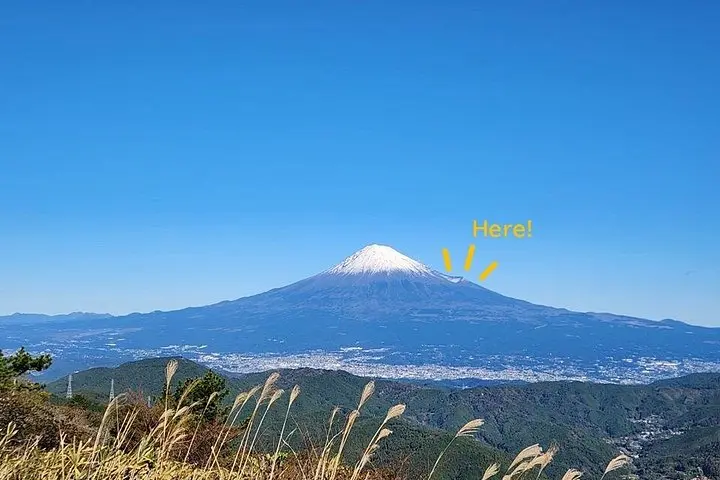
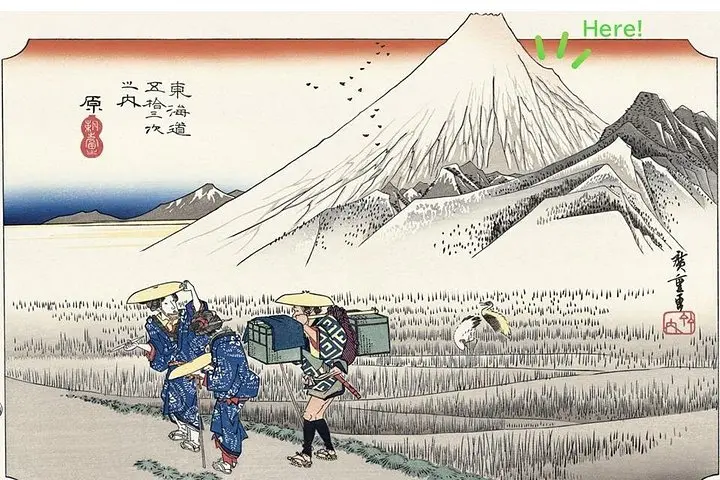
Hoei was born in 1707 when Mt. Fuji erupted in a sudden, landscape-changing event; the crater is a visible scar of that violence. Geologically it’s recent—loose scoria, ash slopes and jagged lava flows dominate—so trails can feel raw and lunar. Culturally, this southern face of Fuji has served both pilgrims and geologists: you’re hiking along routes used for centuries to read the mountain’s moods.
Expect panoramic tradeoffs: the crater gives sweeping views of Fuji’s cone, the Pacific, and the surrounding plains, while wind and exposed scree demand steady footing. The trail gains roughly 80 meters in under an hour on maintained switchbacks, then opens onto a rim walk that’s mostly level but dotted with sharp volcanic rock.
Practicalities are simple. This is a beginner-friendly, half-day outing—no ropes or technical gear required—but trekking shoes, layered clothing and a rain shell are essential; weather shifts fast. Hydrate before you start, carry sun protection, and set aside time for photos and a slow return to the bus. Guides usually provide basic history and safety briefings; if you want a quiet moment, arrive early to beat the tour groups.
For anyone curious about volcanoes or looking for a compact Fuji experience, the Hoei rim delivers dramatic geology with straightforward logistics.
No—this hike reaches the Hoei crater rim on Fuji’s southern flank, offering dramatic views without summit climbing or overnight stations.
The ascent from Fujinomiya Fifth Station to the rim takes roughly 40–60 minutes; allow extra time for photo stops and return transit.
No technical gear or climbing experience is needed, but good footwear, layers and a rain shell are recommended.
The elevation is lower than the summit but noticeable; drink water and move at a comfortable pace—those with cardiovascular issues should consult a doctor.
ファンストライド operates guided outdoor trips and adventures with an emphasis on safety, stewardship, and memorable experiences.


You step off the coastal air and into a different sky—salt still on your jacket, ash and pumice underfoot. The walk begins at Fujinomiya Fifth Station and climbs quickly onto Hoei-zan’s rim, where red and black lava cast angular shadows and the crater yawns wider than a photo can hold.
You step off the coastal air and into a different sky—salt still on your jacket, ash and pumice underfoot. The walk begins at Fujinomiya Fifth Station and climbs quickly onto Hoei-zan’s rim, where red and black lava cast angular shadows and the crater yawns wider than a photo can hold.
Hoei was born in 1707 when Mt. Fuji erupted in a sudden, landscape-changing event; the crater is a visible scar of that violence. Geologically it’s recent—loose scoria, ash slopes and jagged lava flows dominate—so trails can feel raw and lunar. Culturally, this southern face of Fuji has served both pilgrims and geologists: you’re hiking along routes used for centuries to read the mountain’s moods.
Expect panoramic tradeoffs: the crater gives sweeping views of Fuji’s cone, the Pacific, and the surrounding plains, while wind and exposed scree demand steady footing. The trail gains roughly 80 meters in under an hour on maintained switchbacks, then opens onto a rim walk that’s mostly level but dotted with sharp volcanic rock.
Practicalities are simple. This is a beginner-friendly, half-day outing—no ropes or technical gear required—but trekking shoes, layered clothing and a rain shell are essential; weather shifts fast. Hydrate before you start, carry sun protection, and set aside time for photos and a slow return to the bus. Guides usually provide basic history and safety briefings; if you want a quiet moment, arrive early to beat the tour groups.
For anyone curious about volcanoes or looking for a compact Fuji experience, the Hoei rim delivers dramatic geology with straightforward logistics.