THE ADVENTURE COLLECTIVE® · Independent discovery and booking for outdoor travel

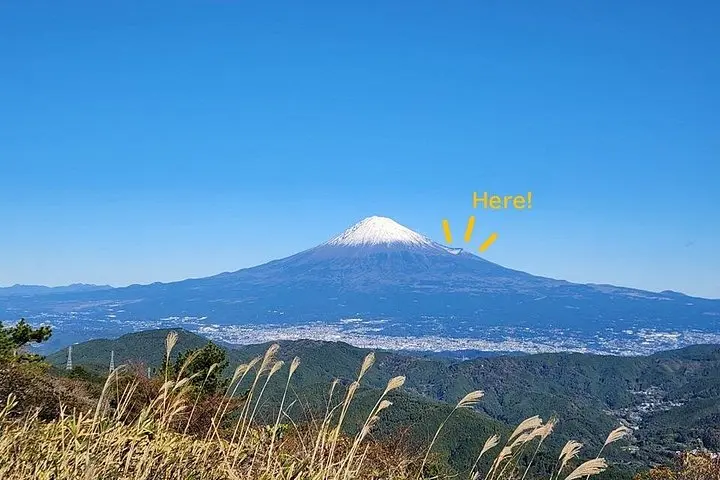
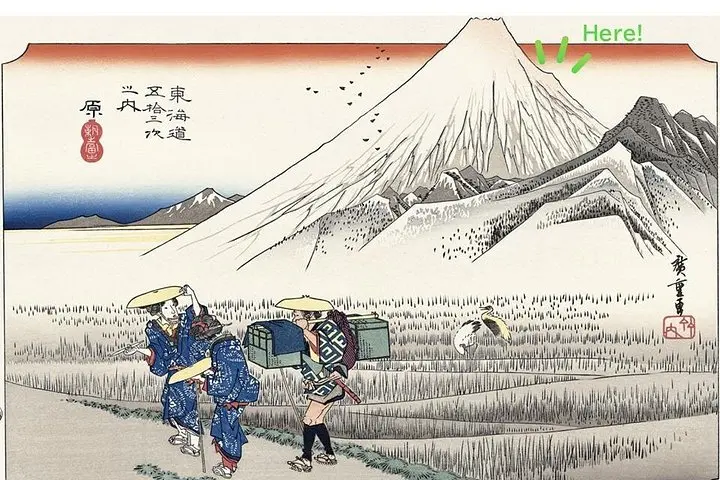
Walk the rim of Mt. Fuji’s youngest crater — the Hoei Crater formed in the 1707 eruption — on a short, dramatic trail from Fujinomiya Fifth Station. This accessible volcanic hike delivers close-up views of Fuji, sliding ash slopes, and panoramic views to Suruga Bay.
Walk the rim of Mt. Fuji’s youngest crater — the Hoei Crater formed in the 1707 eruption — on a short, dramatic trail from Fujinomiya Fifth Station. This accessible volcanic hike delivers close-up views of Fuji, sliding ash slopes, and panoramic views to Suruga Bay.
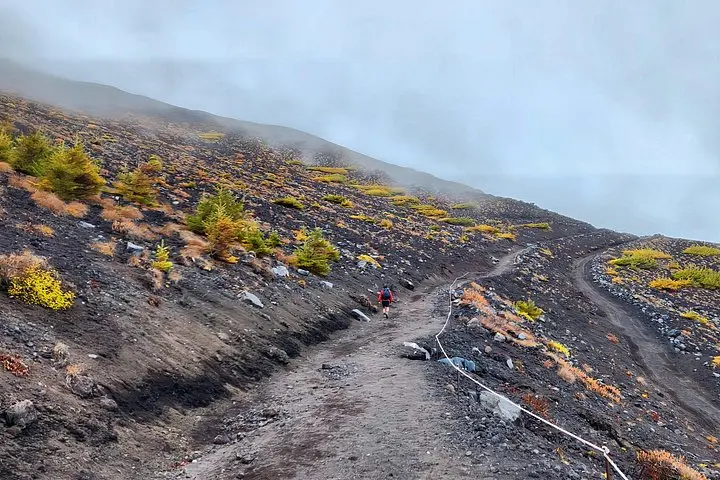
Stand at the Fujinomiya Fifth Station and feel the air thin and sharp — the ground here remembers fire. From the trailhead a short, well-marked path climbs along pumice and volcanic scree to the rim of the Hoei Crater, where red and black rock frame a bowl cut into Mt. Fuji by the great 1707 Hōei eruption.
Verified experiences and guided adventures in the surrounding area.
Operated by ファンストライド · Fujinomiya, Shizuoka
Stand at the Fujinomiya Fifth Station and feel the air thin and sharp — the ground here remembers fire. From the trailhead a short, well-marked path climbs along pumice and volcanic scree to the rim of the Hoei Crater, where red and black rock frame a bowl cut into Mt. Fuji by the great 1707 Hōei eruption.
Geology announces itself at every step: layers of ash and lapilli slope away in loose, shifting dunes that let you try the classic “sand run” descent. Look across the crater and Fuji’s cone rises close and clean; turn the other way and Suruga Bay and the Izu coastline can flatten into the distance on clear days. Cultural traces — the mountain lodges, guideposts, and pilgrim routes — nod to Fuji’s long role in Japanese spirituality and travel.
This is an accessible volcanic hike: roughly 1 hour round trip on maintained trail at nearly 2,700 m elevation, no technical gear required but the altitude and loose pumice demand attention. Wear grippy shoes, pack layers and sun protection, and move deliberately on ash slopes. Morning offers the best visibility and firmer footing; afternoons bring wind and sudden cloud.
Practical: start early from Fujinomiya, allow time for transport and acclimatization, and plan for rapid weather change. Respect signage and stay on the rim to protect fragile alpine soils — the crater’s dramatic scenery rewards careful, low-impact travel.
The walking portion is about 1 hour round trip from the Fujinomiya Fifth Station trailhead; allow extra time for rest, photos, and transport arrangements.
No special permit is required for this short trail; guided options are available and useful if you want transport and local context, but independent hikers can follow marked paths safely.
The trail is accessible to beginners and families, but children should be supervised on loose ash slopes and everyone should be prepared for altitude-related effects.
There are mountain lodges and basic facilities near the Fifth Station and along the approach; services are limited, so bring essentials and cash for small purchases.
ファンストライド operates guided outdoor trips and adventures with an emphasis on safety, stewardship, and memorable experiences.

Stand at the Fujinomiya Fifth Station and feel the air thin and sharp — the ground here remembers fire. From the trailhead a short, well-marked path climbs along pumice and volcanic scree to the rim of the Hoei Crater, where red and black rock frame a bowl cut into Mt. Fuji by the great 1707 Hōei eruption.
Stand at the Fujinomiya Fifth Station and feel the air thin and sharp — the ground here remembers fire. From the trailhead a short, well-marked path climbs along pumice and volcanic scree to the rim of the Hoei Crater, where red and black rock frame a bowl cut into Mt. Fuji by the great 1707 Hōei eruption.
Geology announces itself at every step: layers of ash and lapilli slope away in loose, shifting dunes that let you try the classic “sand run” descent. Look across the crater and Fuji’s cone rises close and clean; turn the other way and Suruga Bay and the Izu coastline can flatten into the distance on clear days. Cultural traces — the mountain lodges, guideposts, and pilgrim routes — nod to Fuji’s long role in Japanese spirituality and travel.
This is an accessible volcanic hike: roughly 1 hour round trip on maintained trail at nearly 2,700 m elevation, no technical gear required but the altitude and loose pumice demand attention. Wear grippy shoes, pack layers and sun protection, and move deliberately on ash slopes. Morning offers the best visibility and firmer footing; afternoons bring wind and sudden cloud.
Practical: start early from Fujinomiya, allow time for transport and acclimatization, and plan for rapid weather change. Respect signage and stay on the rim to protect fragile alpine soils — the crater’s dramatic scenery rewards careful, low-impact travel.