THE ADVENTURE COLLECTIVE® · Independent discovery and booking for outdoor travel

A daylong climb from Addis Ababa to Mount Zuqualla leads to a high crater lake, an ancient monastery, and a network of crater lakes near Bishoftu. Expect steep trails, endemic wildlife, and a full‑day cultural and natural outing.
A daylong climb from Addis Ababa to Mount Zuqualla leads to a high crater lake, an ancient monastery, and a network of crater lakes near Bishoftu. Expect steep trails, endemic wildlife, and a full‑day cultural and natural outing.
You leave Addis Ababa before sunup and drive south across high plain toward Bishoftu, the road opening into farmland and then the green cone of Mount Zuqualla. The air thins as you climb; by the time the path reaches the monastery the crater lake sits like a quiet eye at nearly 3,000 m, ringed by dense forest and birdsong.
Verified experiences and guided adventures in the surrounding area.
Operated by Danakil Depression Tours · Bishoftu (Debre Zeit), Oromia
You leave Addis Ababa before sunup and drive south across high plain toward Bishoftu, the road opening into farmland and then the green cone of Mount Zuqualla. The air thins as you climb; by the time the path reaches the monastery the crater lake sits like a quiet eye at nearly 3,000 m, ringed by dense forest and birdsong.
Mount Zuqualla is an extinct volcano whose forested slopes shelter a 4th‑century monastery—one of Ethiopia’s older Christian sites—and a crater lake long regarded as holy. Geologically the area is part of the Ethiopian Rift’s northern highlands: volcanic cones and a chain of small crater lakes around Bishoftu (Debre Zeit) speak to relatively recent volcanic activity in the landscape. Locals combine faith and daily life here; monks tend shrines while fishermen and boatmen work the larger lakes of Hora and Bishoftu below.
Expect a sustained uphill hike of about 4 hours with roughly 900 m of elevation gain on mixed soil and rocky trail, rewarding you with colobus monkeys, Menelik’s bushbuck, and endemic birds like the Ethiopian oriole and Abyssinian woodpecker. After the summit visit, the trip usually continues to the crater lakes around Bishoftu for short lakeside walks or a boat ride.
Practical notes: be ready for altitude and variable weather, wear sturdy hiking boots, bring 2–3 L of water, sun protection, and modest clothing for the monastery. The full excursion runs about 9–10 hours including transfers; a guided tour typically covers transport, a local guide, entrance fees and lunch. Start early to avoid afternoon wind and to make the most of light for views and wildlife.
The climb takes about 4 hours one way with roughly 900 m of elevation gain; the entire day trip including transfers runs around 9–10 hours.
People with basic fitness can complete the route, but the sustained uphill and altitude make it more comfortable for those with some hiking experience; children should be accustomed to long walks.
Most organized tours include round‑trip transport from Addis, a guide, entrance fees, bottled water, and lunch; check the operator for specifics like boat rides on the crater lakes below.
Dry season months (October–March) offer clearer skies and firmer trails; mornings are best for views and wildlife activity.
Danakil Depression Tours operates guided outdoor trips and adventures with an emphasis on safety, stewardship, and memorable experiences.
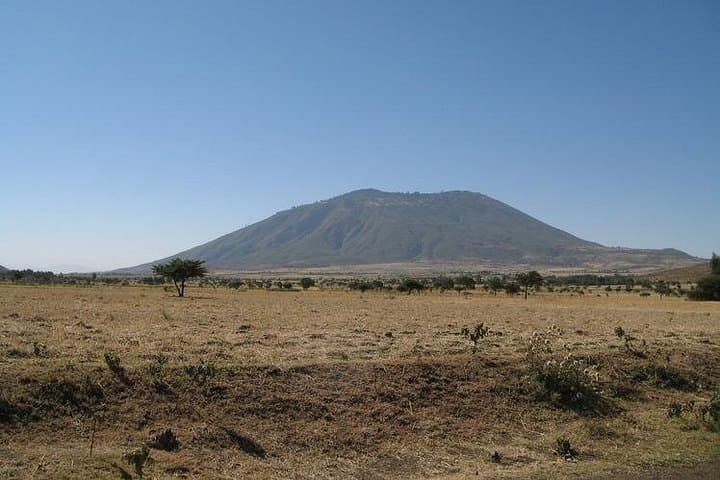

You leave Addis Ababa before sunup and drive south across high plain toward Bishoftu, the road opening into farmland and then the green cone of Mount Zuqualla. The air thins as you climb; by the time the path reaches the monastery the crater lake sits like a quiet eye at nearly 3,000 m, ringed by dense forest and birdsong.
You leave Addis Ababa before sunup and drive south across high plain toward Bishoftu, the road opening into farmland and then the green cone of Mount Zuqualla. The air thins as you climb; by the time the path reaches the monastery the crater lake sits like a quiet eye at nearly 3,000 m, ringed by dense forest and birdsong.
Mount Zuqualla is an extinct volcano whose forested slopes shelter a 4th‑century monastery—one of Ethiopia’s older Christian sites—and a crater lake long regarded as holy. Geologically the area is part of the Ethiopian Rift’s northern highlands: volcanic cones and a chain of small crater lakes around Bishoftu (Debre Zeit) speak to relatively recent volcanic activity in the landscape. Locals combine faith and daily life here; monks tend shrines while fishermen and boatmen work the larger lakes of Hora and Bishoftu below.
Expect a sustained uphill hike of about 4 hours with roughly 900 m of elevation gain on mixed soil and rocky trail, rewarding you with colobus monkeys, Menelik’s bushbuck, and endemic birds like the Ethiopian oriole and Abyssinian woodpecker. After the summit visit, the trip usually continues to the crater lakes around Bishoftu for short lakeside walks or a boat ride.
Practical notes: be ready for altitude and variable weather, wear sturdy hiking boots, bring 2–3 L of water, sun protection, and modest clothing for the monastery. The full excursion runs about 9–10 hours including transfers; a guided tour typically covers transport, a local guide, entrance fees and lunch. Start early to avoid afternoon wind and to make the most of light for views and wildlife.