THE ADVENTURE COLLECTIVE® · Independent discovery and booking for outdoor travel

A compact, scenic day hike from Reykjavík to Þverfellshorn on Mt. Esja. Expect rocky trails, sweeping bay views and a steady climb that suits beginners with moderate fitness and experienced hikers alike.
A compact, scenic day hike from Reykjavík to Þverfellshorn on Mt. Esja. Expect rocky trails, sweeping bay views and a steady climb that suits beginners with moderate fitness and experienced hikers alike.
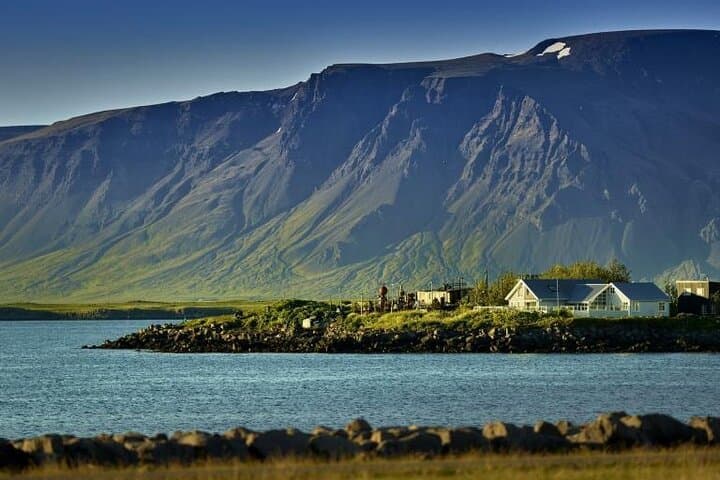
You step out of the van in Kollafjörður and the mountain that frames Reykjavík rises like a gray door, jagged ridges slicing into the cold light. The trail follows the Mógilsá drainage at first, then tightens into scree and stone as it climbs toward Þverfellshorn. Wind tests your balance; stone underfoot dares you forward.
Verified experiences and guided adventures in the surrounding area.
Operated by Walk On Iceland · Reykjavík, Capital Region
You step out of the van in Kollafjörður and the mountain that frames Reykjavík rises like a gray door, jagged ridges slicing into the cold light. The trail follows the Mógilsá drainage at first, then tightens into scree and stone as it climbs toward Þverfellshorn. Wind tests your balance; stone underfoot dares you forward.
Esja is volcanic rock—layers of basalt and tuff laid down by repeated eruptions and sculpted by glaciers. Its profile shaped Reykjavík’s skyline for millennia and features in local lore as a rugged guardian. Farmers historically grazed sheep on its lower slopes; today Reykjavík residents use it for quick escapes to alpine air.
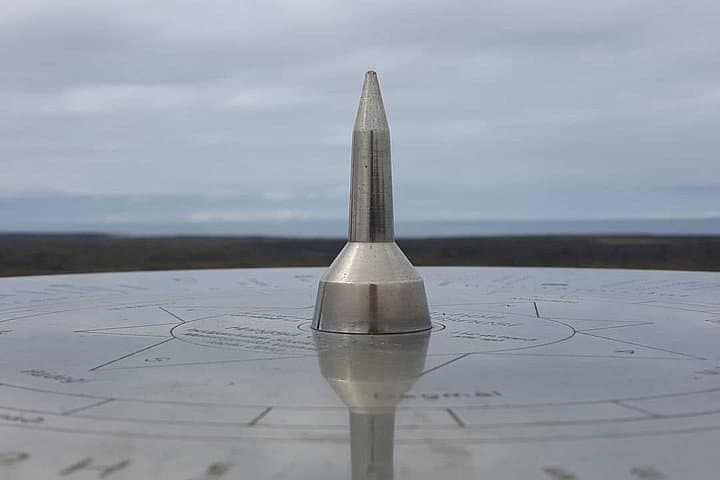
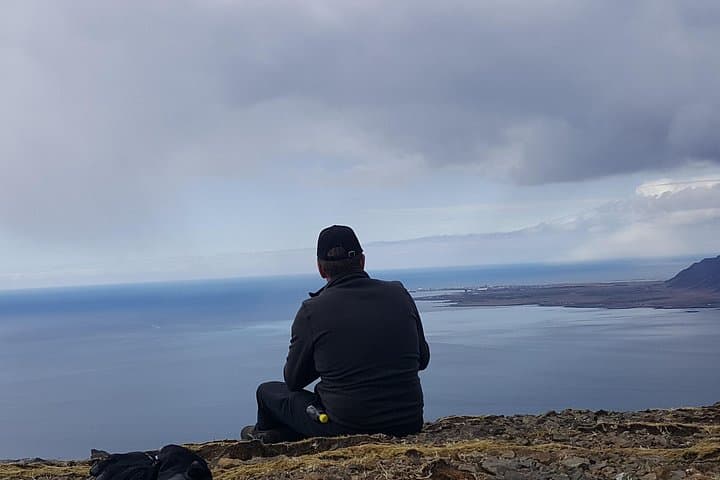
Expect mixed terrain: well-worn switchbacks, rocky slabs and short steep sections near the summit. Views open incrementally—first over Kollafjörður and then, from Þverfellshorn, across Faxaflói Bay and Reykjavík’s rooftops, making the capital feel small against raw geology. Seabirds wheel below and the wind here has a personality—sharp, insistent, honest.
Practical guidance: the full excursion usually runs 4–5 hours including transport; the summit push is under two hours for fit hikers. Wear sturdy boots with good grip, bring windproof layers, and pack extra water and snacks—the company typically provides bottled water and snacks. Start mid-morning for stable weather and fuller daylight. If you have knee or back issues, choose a lower ridge or plan for a shorter route; the steeper upper sections are loose underfoot. Stick to marked trails to protect fragile alpine vegetation and avoid microclimates of sudden gusts. With a moderate pace, basic navigation and respect for the elements, Mt. Esja delivers a compact but vivid Icelandic mountain day that reframes Reykjavík from the top down.
From the Mógilsá start to Þverfellshorn summit the climb typically takes 1.5–2 hours one-way for moderately fit hikers; the full tour with transport runs about 4–5 hours.
Yes—beginners with moderate fitness can reach the summit, but expect steep, rocky sections; consider turning back early if footing becomes difficult.
The tour usually includes bottled water and snacks, but it’s wise to carry extra water and a personal snack for the climb.
Descend promptly via the marked route; guides monitor conditions and will delay or cancel if weather is unsafe—always dress in layers and carry a windproof shell.
Walk On Iceland operates guided outdoor trips and adventures with an emphasis on safety, stewardship, and memorable experiences.

You step out of the van in Kollafjörður and the mountain that frames Reykjavík rises like a gray door, jagged ridges slicing into the cold light. The trail follows the Mógilsá drainage at first, then tightens into scree and stone as it climbs toward Þverfellshorn. Wind tests your balance; stone underfoot dares you forward.
You step out of the van in Kollafjörður and the mountain that frames Reykjavík rises like a gray door, jagged ridges slicing into the cold light. The trail follows the Mógilsá drainage at first, then tightens into scree and stone as it climbs toward Þverfellshorn. Wind tests your balance; stone underfoot dares you forward.
Esja is volcanic rock—layers of basalt and tuff laid down by repeated eruptions and sculpted by glaciers. Its profile shaped Reykjavík’s skyline for millennia and features in local lore as a rugged guardian. Farmers historically grazed sheep on its lower slopes; today Reykjavík residents use it for quick escapes to alpine air.
Expect mixed terrain: well-worn switchbacks, rocky slabs and short steep sections near the summit. Views open incrementally—first over Kollafjörður and then, from Þverfellshorn, across Faxaflói Bay and Reykjavík’s rooftops, making the capital feel small against raw geology. Seabirds wheel below and the wind here has a personality—sharp, insistent, honest.
Practical guidance: the full excursion usually runs 4–5 hours including transport; the summit push is under two hours for fit hikers. Wear sturdy boots with good grip, bring windproof layers, and pack extra water and snacks—the company typically provides bottled water and snacks. Start mid-morning for stable weather and fuller daylight. If you have knee or back issues, choose a lower ridge or plan for a shorter route; the steeper upper sections are loose underfoot. Stick to marked trails to protect fragile alpine vegetation and avoid microclimates of sudden gusts. With a moderate pace, basic navigation and respect for the elements, Mt. Esja delivers a compact but vivid Icelandic mountain day that reframes Reykjavík from the top down.