THE ADVENTURE COLLECTIVE® · Independent discovery and booking for outdoor travel

A high-ridge traverse across Madeira’s volcanic spine, the Pico Arieiro–Pico Ruivo hike links two of the island’s tallest summits through tunnels, steep steps, and dramatic viewpoints. Expect exposed ridgelines, endemic birds, and variable weather—this is a serious mountain day with big rewards.
A high-ridge traverse across Madeira’s volcanic spine, the Pico Arieiro–Pico Ruivo hike links two of the island’s tallest summits through tunnels, steep steps, and dramatic viewpoints. Expect exposed ridgelines, endemic birds, and variable weather—this is a serious mountain day with big rewards.
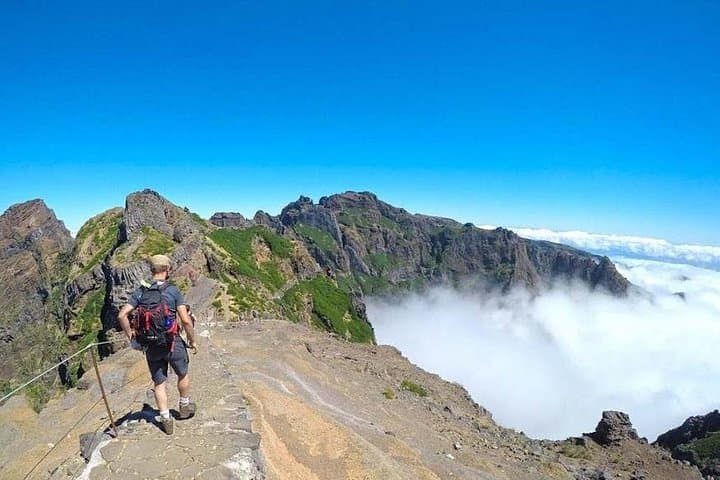
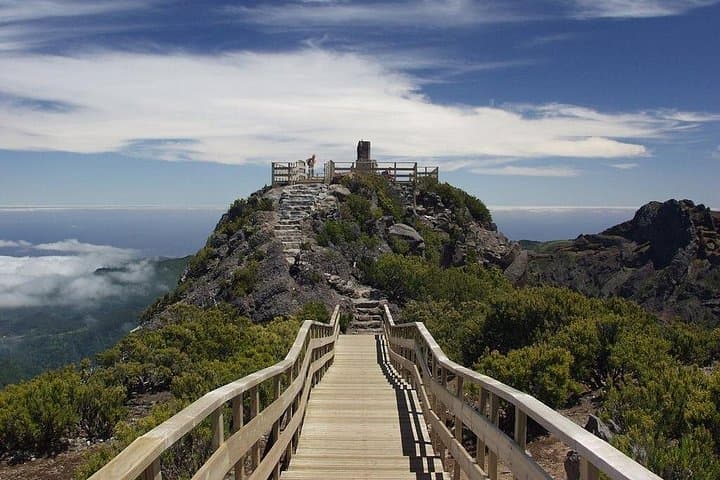
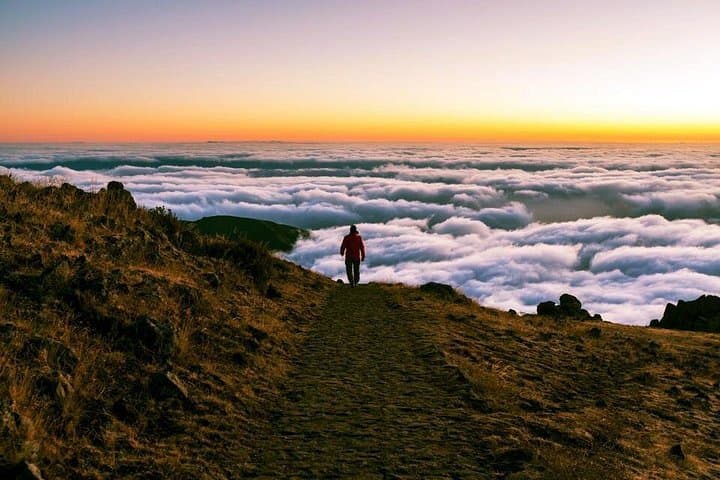
You emerge from the last tunnel into wind that seems to push you along the ridgeline — the sky low and unbroken, the island falling away in dramatic cliffs. The trail between Pico do Arieiro and Pico Ruivo threads volcanic spines, drilled tunnels, and stair-stepped basalt as it traces Madeira’s central massif. At times the path narrows to exposed steps cut into rock; elsewhere it drops into cloud, softening the world to grey and green.
Verified experiences and guided adventures in the surrounding area.
Operated by Feeling Madeira - Tours & Walks · Funchal, Madeira
You emerge from the last tunnel into wind that seems to push you along the ridgeline — the sky low and unbroken, the island falling away in dramatic cliffs. The trail between Pico do Arieiro and Pico Ruivo threads volcanic spines, drilled tunnels, and stair-stepped basalt as it traces Madeira’s central massif. At times the path narrows to exposed steps cut into rock; elsewhere it drops into cloud, softening the world to grey and green.
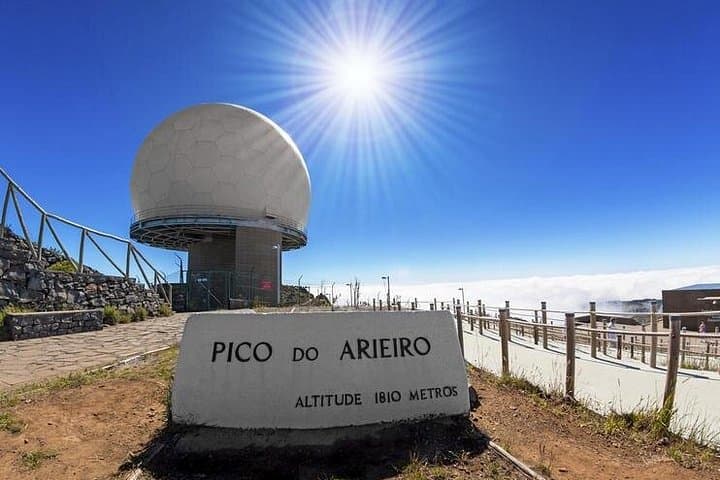
This route follows PR1, a classic high-mountain traverse connecting two of Madeira’s tallest summits (Pico do Arieiro at ~1,818 m and Pico Ruivo at ~1,862 m). The range is volcanic in origin; erosion and vertical jointing leave the cliffs and basalt ribs that punctuate the skyline. Culturally, these peaks have shaped local weather and shepherding routes for centuries; small shelters like Achada do Teixeira sit where hikers pause and trade stories. Birdlife is notable—Madeiran endemics and Macaronesian species remain a highlight.
Practically: expect roughly 7 km one-way along technical, high-elevation trail with many steep ascents and descents, tunnels, and uneven stone steps; an 8-hour outing is common for guided traverses including transfers. Trails can close after landslides or heavy weather, so check conditions and start early for stable daylight. Wear sturdy boots, layer for sharp temperature swings, bring a headlamp for tunnels, and carry extra water and windproof protection. The ridge rewards careful planning with sweeping island views and a raw sense of Madeira’s geology and life.
The PR1 traverse is roughly 7 km one-way; many guided outings account for 6–8 hours including transfers and stops — returning the same way doubles the distance unless transport is provided.
Children over about 10 with good fitness can do parts, but exposed sections, long distances and stairways mean it’s best for older, experienced youngsters; operators typically set age limits and recommend fitness minimums.
Sections may be diverted or the hike canceled after landslides or severe weather; always check local trail reports and the operator’s status before departure.
No climbing gear is required — the trail is a marked mountain path with tunnels and stairs — but hikers should be comfortable on exposed, steep, and rocky terrain.
Feeling Madeira - Tours & Walks operates guided outdoor trips and adventures with an emphasis on safety, stewardship, and memorable experiences.
You emerge from the last tunnel into wind that seems to push you along the ridgeline — the sky low and unbroken, the island falling away in dramatic cliffs. The trail between Pico do Arieiro and Pico Ruivo threads volcanic spines, drilled tunnels, and stair-stepped basalt as it traces Madeira’s central massif. At times the path narrows to exposed steps cut into rock; elsewhere it drops into cloud, softening the world to grey and green.
You emerge from the last tunnel into wind that seems to push you along the ridgeline — the sky low and unbroken, the island falling away in dramatic cliffs. The trail between Pico do Arieiro and Pico Ruivo threads volcanic spines, drilled tunnels, and stair-stepped basalt as it traces Madeira’s central massif. At times the path narrows to exposed steps cut into rock; elsewhere it drops into cloud, softening the world to grey and green.
This route follows PR1, a classic high-mountain traverse connecting two of Madeira’s tallest summits (Pico do Arieiro at ~1,818 m and Pico Ruivo at ~1,862 m). The range is volcanic in origin; erosion and vertical jointing leave the cliffs and basalt ribs that punctuate the skyline. Culturally, these peaks have shaped local weather and shepherding routes for centuries; small shelters like Achada do Teixeira sit where hikers pause and trade stories. Birdlife is notable—Madeiran endemics and Macaronesian species remain a highlight.
Practically: expect roughly 7 km one-way along technical, high-elevation trail with many steep ascents and descents, tunnels, and uneven stone steps; an 8-hour outing is common for guided traverses including transfers. Trails can close after landslides or heavy weather, so check conditions and start early for stable daylight. Wear sturdy boots, layer for sharp temperature swings, bring a headlamp for tunnels, and carry extra water and windproof protection. The ridge rewards careful planning with sweeping island views and a raw sense of Madeira’s geology and life.