THE ADVENTURE COLLECTIVE® · Independent discovery and booking for outdoor travel

A private day trip from Quito to Quilotoa pairs a steep crater hike with visits to indigenous markets and Andean viewpoints. Expect high-altitude terrain, cultural stops, and an option to ride a mule back up the rim.
A private day trip from Quito to Quilotoa pairs a steep crater hike with visits to indigenous markets and Andean viewpoints. Expect high-altitude terrain, cultural stops, and an option to ride a mule back up the rim.
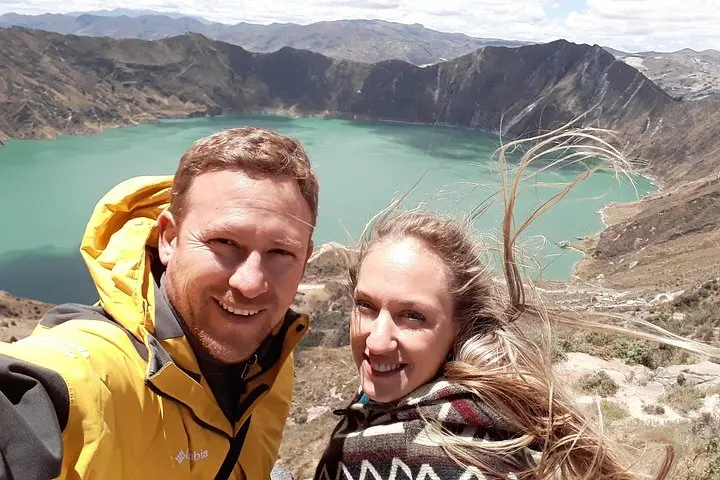
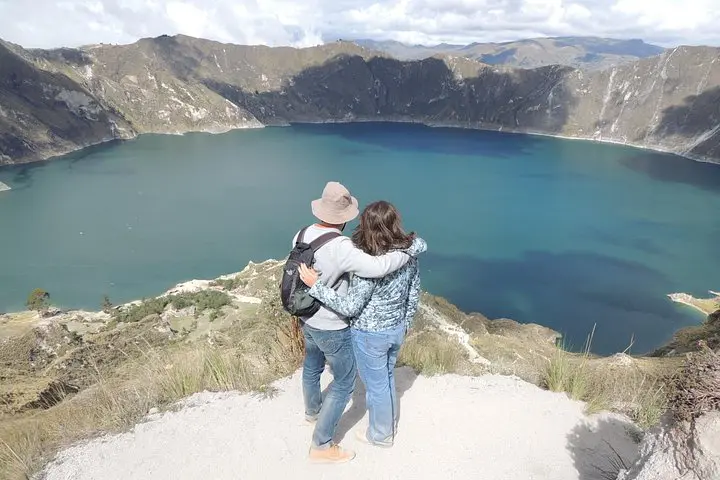
A cold wind pushes across the crater rim and the lake below answers in a clean, hard emerald. The Tour starts before dawn in Quito and the bus threads the Avenue of the Volcanoes, each peak lifting like a page in the Andes’ geology book. Arriving at the rim, hikers look down a near-perfect caldera — four walls of volcanic rock framing water that seems to hold the sky.
Verified experiences and guided adventures in the surrounding area.
Operated by Ecuador Best Tours · Quilotoa, Cotopaxi
A cold wind pushes across the crater rim and the lake below answers in a clean, hard emerald. The Tour starts before dawn in Quito and the bus threads the Avenue of the Volcanoes, each peak lifting like a page in the Andes’ geology book. Arriving at the rim, hikers look down a near-perfect caldera — four walls of volcanic rock framing water that seems to hold the sky.
Quilotoa is the remnant of a VEI eruption around 800 years ago; its 3,600 m rim sits in a landscape carved by glaciers, rivers and centuries of indigenous agriculture. The day tour typically includes a stop at a traditional indigenous market — Saquisilí or Zumbahua depending on the day — where bartering and brightly dyed wool tell a living cultural story. Guides often pause at Huayra Pungo, a family hut where visitors can learn a few Kichwa words and observe highland life.
Practically, the experience is a steep descent into the crater followed by a demanding climb back up (about 45–75 minutes for the ascent for fit hikers). The route is rocky, exposed to wind, and at high altitude, so pace is deliberate. Lunch in a local restaurant, private transport, and mule rental options for the return help manage exertion.
Expect sun, sudden showers and thin air; bring layers, sun protection, and water. Allow time for photos, slow breathing on the climb, and a walk around the rim for sweeping views before the drive back to Quito late afternoon.
The descent into Quilotoa takes about 20–40 minutes depending on pace; the climb back generally takes 45–75 minutes for fit hikers, longer for those acclimating.
Yes, a small local entrance fee is normally payable on site; amounts vary and are collected by the local community.
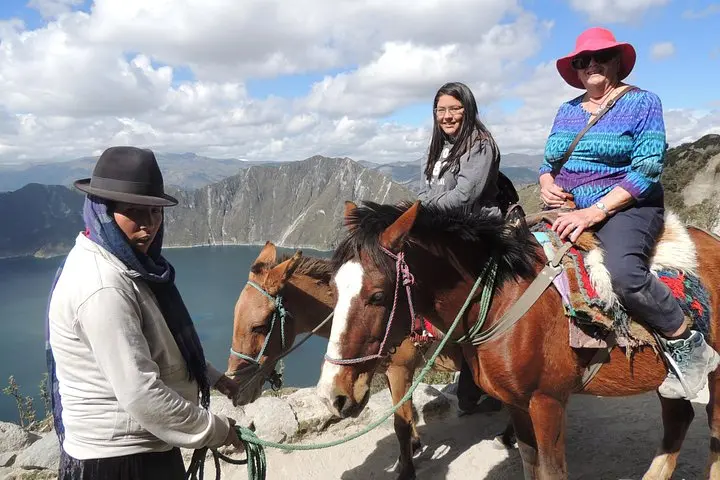
Yes — mule or horse rentals are commonly available at the rim to assist with the uphill return for an additional fee.
Infants are possible with private transport, but the hike and high altitude make the trip not recommended for pregnant travelers or those with serious heart conditions.
Ecuador Best Tours operates guided outdoor trips and adventures with an emphasis on safety, stewardship, and memorable experiences.
A cold wind pushes across the crater rim and the lake below answers in a clean, hard emerald. The Tour starts before dawn in Quito and the bus threads the Avenue of the Volcanoes, each peak lifting like a page in the Andes’ geology book. Arriving at the rim, hikers look down a near-perfect caldera — four walls of volcanic rock framing water that seems to hold the sky.
A cold wind pushes across the crater rim and the lake below answers in a clean, hard emerald. The Tour starts before dawn in Quito and the bus threads the Avenue of the Volcanoes, each peak lifting like a page in the Andes’ geology book. Arriving at the rim, hikers look down a near-perfect caldera — four walls of volcanic rock framing water that seems to hold the sky.
Quilotoa is the remnant of a VEI eruption around 800 years ago; its 3,600 m rim sits in a landscape carved by glaciers, rivers and centuries of indigenous agriculture. The day tour typically includes a stop at a traditional indigenous market — Saquisilí or Zumbahua depending on the day — where bartering and brightly dyed wool tell a living cultural story. Guides often pause at Huayra Pungo, a family hut where visitors can learn a few Kichwa words and observe highland life.
Practically, the experience is a steep descent into the crater followed by a demanding climb back up (about 45–75 minutes for the ascent for fit hikers). The route is rocky, exposed to wind, and at high altitude, so pace is deliberate. Lunch in a local restaurant, private transport, and mule rental options for the return help manage exertion.
Expect sun, sudden showers and thin air; bring layers, sun protection, and water. Allow time for photos, slow breathing on the climb, and a walk around the rim for sweeping views before the drive back to Quito late afternoon.