THE ADVENTURE COLLECTIVE® · Independent discovery and booking for outdoor travel

A short, guided hike to Salto El Limón delivers a loud, tropical waterfall framed by forested limestone slopes. This practical guide covers the trail, local context, and tips to plan a safe, low-impact visit.
A short, guided hike to Salto El Limón delivers a loud, tropical waterfall framed by forested limestone slopes. This practical guide covers the trail, local context, and tips to plan a safe, low-impact visit.
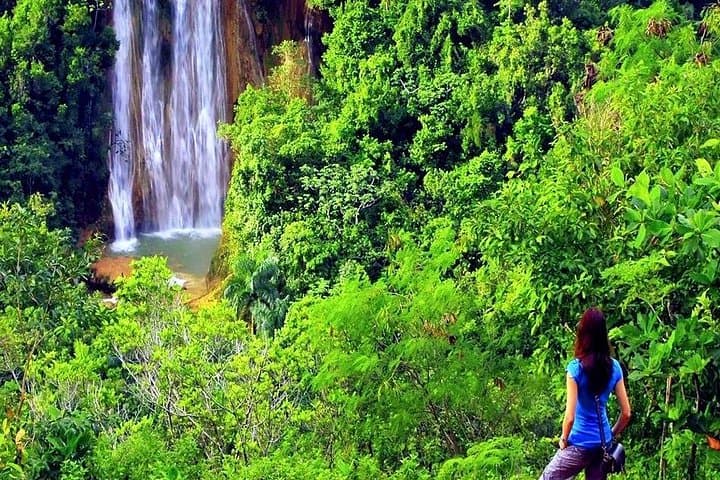
You step off a shaded path into humid air scented with wet earth and citrus—Salto El Limón sits a short, loud distance ahead, water throwing itself into the pool below as if daring you closer.
Verified experiences and guided adventures in the surrounding area.
Operated by The Whales Las Ballenas · El Limón, Samaná Province
You step off a shaded path into humid air scented with wet earth and citrus—Salto El Limón sits a short, loud distance ahead, water throwing itself into the pool below as if daring you closer.
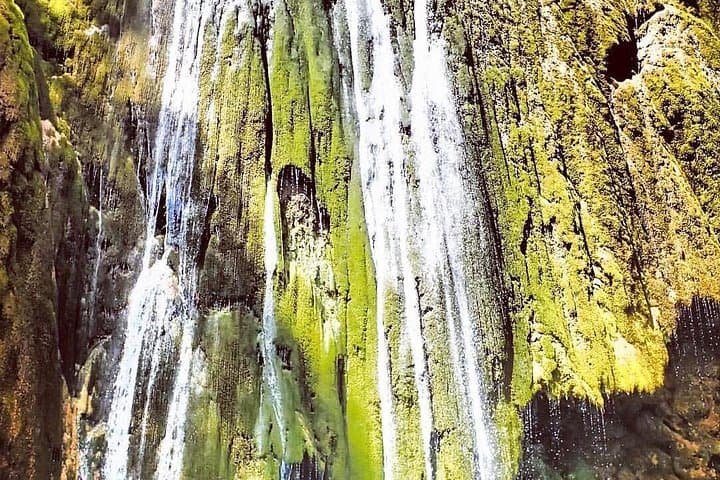
The trail follows a shallow river through secondary rainforest and small-scale farmland. Rock underfoot alternates between packed dirt, root-laced singletrack and occasional slick stones where the stream crosses the route; expect a steady 45-minute climb to the main fall from the common trailhead. Geologically, the cascade threads through limestone slopes carved by centuries of runoff, exposing pockets of red soil and iron-rich rock that stain the water’s edges.
Locally the waterfall is part of rural life: small ranches, coconut stands and family-run kiosks line access roads, and guides draw on a mix of Taíno history and colonial-era land use when they explain place names and the river’s role in irrigation.
Practically, this is a short, accessible hike best done in the morning to avoid heat and crowds. Wear grippy shoes, bring a quick-dry layer and a swim suit for the plunge pool. Guides typically offer a simple lunch of local food afterward; tips and small cash purchases support the community. Avoid horse-only tours if you prefer a quieter, lower-impact approach—walking protects the trail and gives more time for bird and iguana sightings.
Expect steep, muddy spots after rain, shaded sections that cool your pace, and a rewarding view at the lip where the waterfall gathers itself and drops. Plan for 2–3 hours total, carry water and treat the site respectfully: pack out trash and follow your guide’s route to protect fragile banks.
Expect about 45 minutes each way from the common trailhead; the total outing with lunch and time at the falls runs 2–3 hours.
Yes—most sections are gentle, but there are muddy or uneven stretches; travel with a guide and assess mobility before booking.
Yes, there’s a deep plunge pool below the main fall—check guide advice on current depth and safety before entering.
Some operators offer horse rides; this private hiking tour emphasizes walking to reduce environmental impact and allow wildlife viewing.
The Whales Las Ballenas operates guided outdoor trips and adventures with an emphasis on safety, stewardship, and memorable experiences.


You step off a shaded path into humid air scented with wet earth and citrus—Salto El Limón sits a short, loud distance ahead, water throwing itself into the pool below as if daring you closer.
You step off a shaded path into humid air scented with wet earth and citrus—Salto El Limón sits a short, loud distance ahead, water throwing itself into the pool below as if daring you closer.
The trail follows a shallow river through secondary rainforest and small-scale farmland. Rock underfoot alternates between packed dirt, root-laced singletrack and occasional slick stones where the stream crosses the route; expect a steady 45-minute climb to the main fall from the common trailhead. Geologically, the cascade threads through limestone slopes carved by centuries of runoff, exposing pockets of red soil and iron-rich rock that stain the water’s edges.
Locally the waterfall is part of rural life: small ranches, coconut stands and family-run kiosks line access roads, and guides draw on a mix of Taíno history and colonial-era land use when they explain place names and the river’s role in irrigation.
Practically, this is a short, accessible hike best done in the morning to avoid heat and crowds. Wear grippy shoes, bring a quick-dry layer and a swim suit for the plunge pool. Guides typically offer a simple lunch of local food afterward; tips and small cash purchases support the community. Avoid horse-only tours if you prefer a quieter, lower-impact approach—walking protects the trail and gives more time for bird and iguana sightings.
Expect steep, muddy spots after rain, shaded sections that cool your pace, and a rewarding view at the lip where the waterfall gathers itself and drops. Plan for 2–3 hours total, carry water and treat the site respectfully: pack out trash and follow your guide’s route to protect fragile banks.